


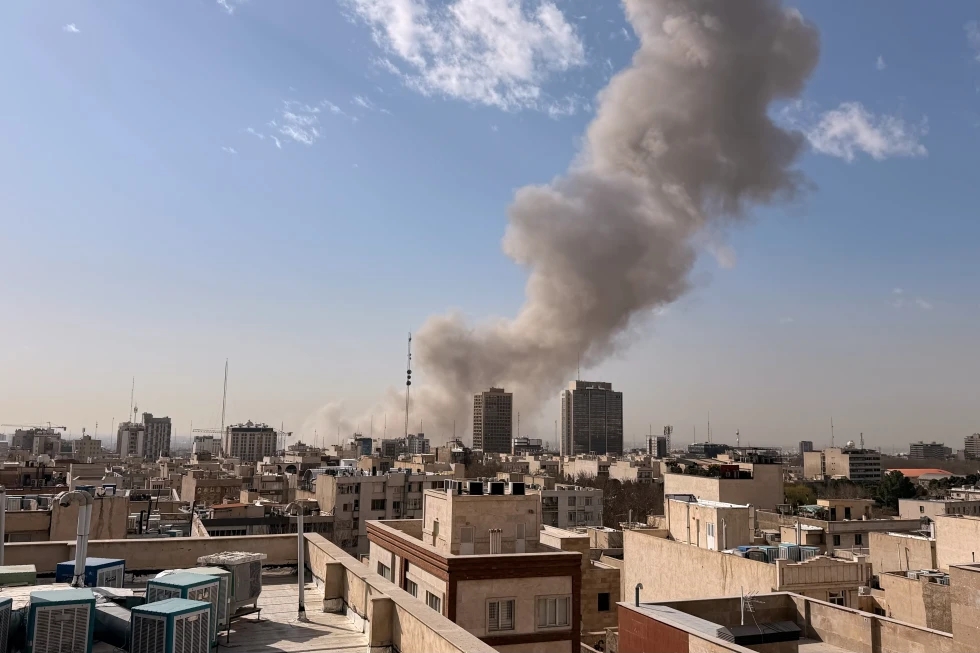



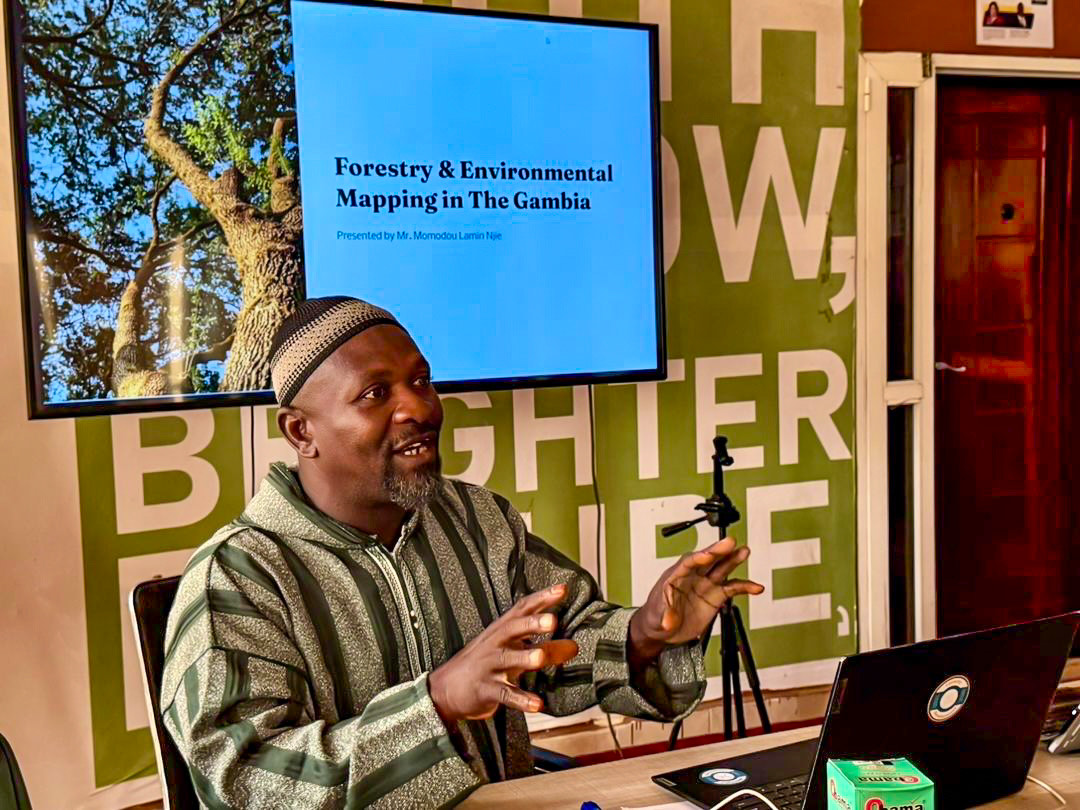
Gambiaj.com – (BANJUL, The Gambia) – In The Gambia’s Upper River Region, Momodou Njie walks past sites where trees were once planted amid speeches, applause, and promises. Today, those same spaces lie bare—no shade, no birds, only dry soil and silence.
“These were not failed ideas,” he says quietly. “They were abandoned responsibilities.”
Njie, Principal of the Kafuta Forest, has spent years observing a troubling pattern: ceremonial tree-planting exercises that attract attention and praise but are rarely followed by sustained care. In his view, the issue is not planting trees but failing to grow them.
“Tree planting is like giving birth,” he explains. “If you don’t care for the child, it will not survive. It is better to grow and protect ten trees than to plant a million and watch them die.”
His warning is rooted in experience. As forest cover declines, Njie says the land reacts almost immediately. Temperatures rise, rainfall patterns become erratic, and the air feels heavier and harder to breathe.
“Trees used to clean what we polluted,” he says. “Now we are breathing back what we produce ourselves.”
According to Njie, the consequences extend far beyond discomfort. Without trees to regulate the atmosphere, he fears rainfall could become acidic, damaging crops and posing risks to human health. Increased exposure to unfiltered sunlight, he warns, may raise the incidence of skin cancer and other illnesses linked to ultraviolet radiation.
“This is no longer just about the environment,” he says. “It is about survival.”
His concerns were echoed during a recent focus group dialogue organised under the Tesito Project Network.
Participants shared accounts of forest fires, grazing animals destroying young saplings, and communities losing interest once planting ceremonies concluded. Time and again, a common conclusion emerged: trees die not because they are planted incorrectly, but because they are forgotten.
As the discussion drew to a close, Njie offered no reassurances—only a stark warning.
“You are producing poison and consuming it yourself,” he said. “If we do not maintain our environment now, it will not maintain us.”
For Njie, the fight against climate change will not be won through statistics, banners, or photo opportunities. It will be decided through quiet, daily acts of responsibility—watering, protecting, and valuing the trees already rooted in the soil.
Otherwise, he fears, the land will continue to fall silent—and so too will the future it was meant to sustain.

One Response
Excellent article. So true as well.