


Gambiaj.com – (BANJUL, The Gambia) – The Gambia is grappling with a significant evening electricity shortfall as authorities work to restore a stable power supply amid regional generation challenges and global supply disruptions.
Officials from the National Water and Electricity Company said the country currently experiences a sharp gap between electricity supply and demand during evening peak hours. While daytime generation reaches about 80 megawatts, largely supported by solar power, demand surges to around 104 megawatts in the evening, creating a deficit estimated at 41 megawatts.
The situation worsens after sunset when solar generation drops off, forcing the utility to resort to increased load shedding across the country.
Authorities say the shortage is linked partly to disruptions affecting regional electricity suppliers and the delayed delivery of critical spare parts needed to maintain domestic power plants.
According to officials, the ongoing conflict in the Middle East has affected global fuel markets and slowed the supply chain for power plant components, complicating maintenance efforts in The Gambia.
Regional power imports have also declined sharply.
Senegal’s national electricity company, SENELEC, which normally exports around 50 megawatts to The Gambia, has reduced its supply to just five megawatts during evening peak periods. This follows outages at two major Senegalese power plants and reduced performance at a wind facility with a capacity of 158 megawatts that is currently producing only about five megawatts.
A senior SENELEC executive told The Gambia Journal that the situation has been strained due to the conflict affecting fuel supply and ongoing maintenance works at several plants.
“The current situation is a bit tense with the conflict; fuel supply has been disrupted. Some of our plants are under maintenance, and even our reserve plants are currently in service,” the official said.
Guinea’s electricity company, EDG, another supplier to The Gambia, is also experiencing fuel shortages linked to the Iran conflict, resulting in a 125-megawatt generation deficit that has limited its exports to about 25 megawatts during peak hours.
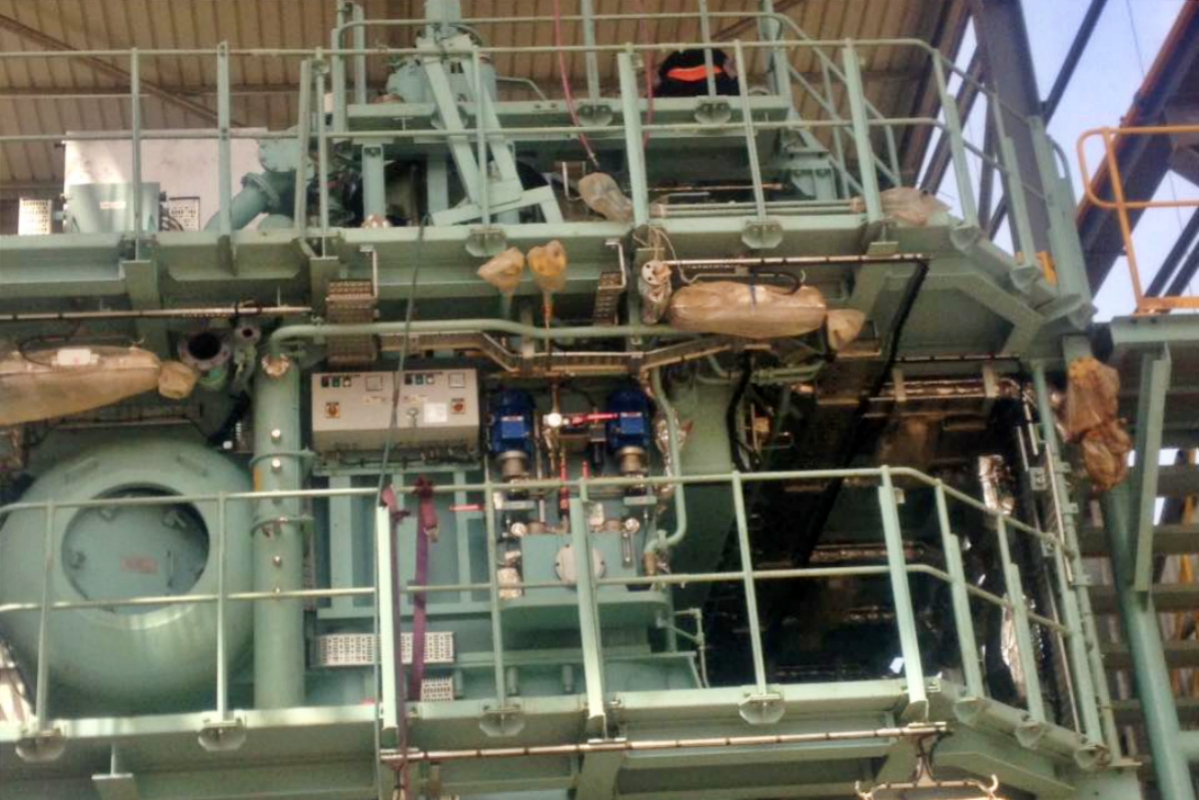
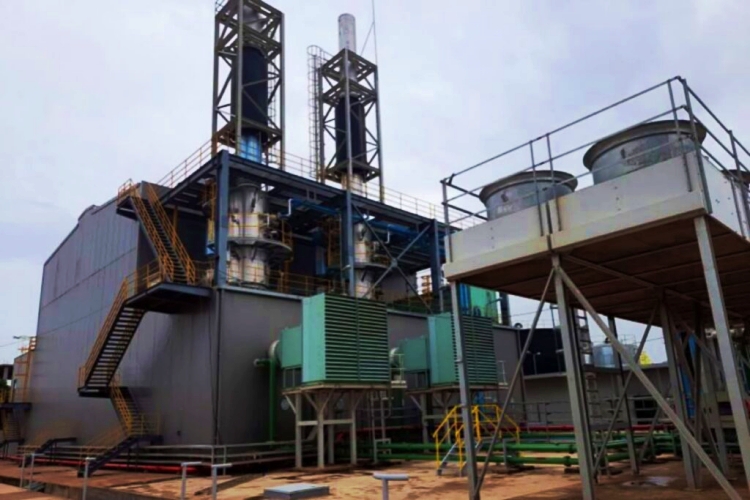
Domestically, NAWEC operates power stations in Kotu and Brikama, as well as a solar facility in Jambur. However, several engines at these plants are currently undergoing maintenance, contributing to the present load shedding.
Unrosy Situation at Power Generation Plants and the Outlook
Officials said at least two engines in Brikama and one in Kotu are expected to return to service soon, with some repairs expected to be completed within a week and others within six weeks.
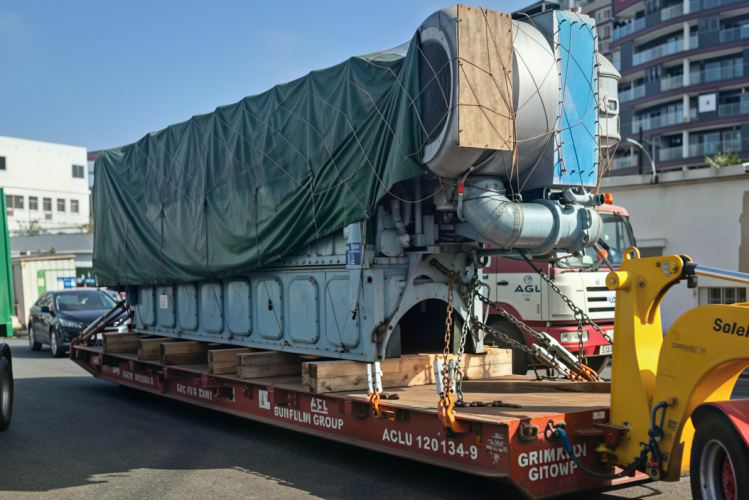
At the Kotu power station, work is underway to restore key generators, including units G6 and G8, as part of a project valued at more than $200 million. One of the engines is expected to become operational later this year, while another is scheduled for completion next year.
In Brikama, engineers from Germany are expected to arrive in the country to assist in restoring additional generating capacity. One engine capable of producing about nine megawatts is expected to return to service within days, while another unit is awaiting spare parts that are currently in transit.
Officials say these interventions are intended to close the current electricity gap and reduce the frequency of load shedding nationwide.
“We are trying as much as possible to have materials available locally so that maintenance can be accelerated,” one official said while appealing for public patience as repair work continues.
NAWEC has also urged consumers to help ease pressure on the electricity system by conserving power during peak demand hours between 7 p.m. and 10 p.m.
Households are advised to limit the use of non-essential appliances during these hours, while businesses and institutions are encouraged to switch off air conditioners, lights, and other equipment when not in use.
Officials say while energy conservation alone will not fully resolve the shortage, it could help reduce the deficit and improve supply in the short term.















Leave a Reply