


Gambiaj.com – (BANJUL, The Gambia) – The Food and Agriculture Organization of the United Nations (FAO), the Government of The Gambia, and the People’s Republic of China have launched a $1.5 million initiative aimed at transforming the country’s rice and millet food systems, with the goal of reducing dependence on imports and strengthening national food security.
The 24-month project, titled Sustainable Rice and Millet Food Systems Transformation in The Gambia Through South-South Cooperation with The People’s Republic of China, is funded through the FAO-China South-South Cooperation Trust Fund and will be implemented mainly in the Central River Region, particularly at Sapu.
The initiative was officially launched at a ceremony attended by senior government officials, development partners, and representatives from FAO, the Chinese government, and the United Nations.
Addressing Dependence on Imported Rice
The project seeks to tackle a long-standing challenge facing The Gambia: heavy reliance on imported rice and insufficient domestic cereal production.
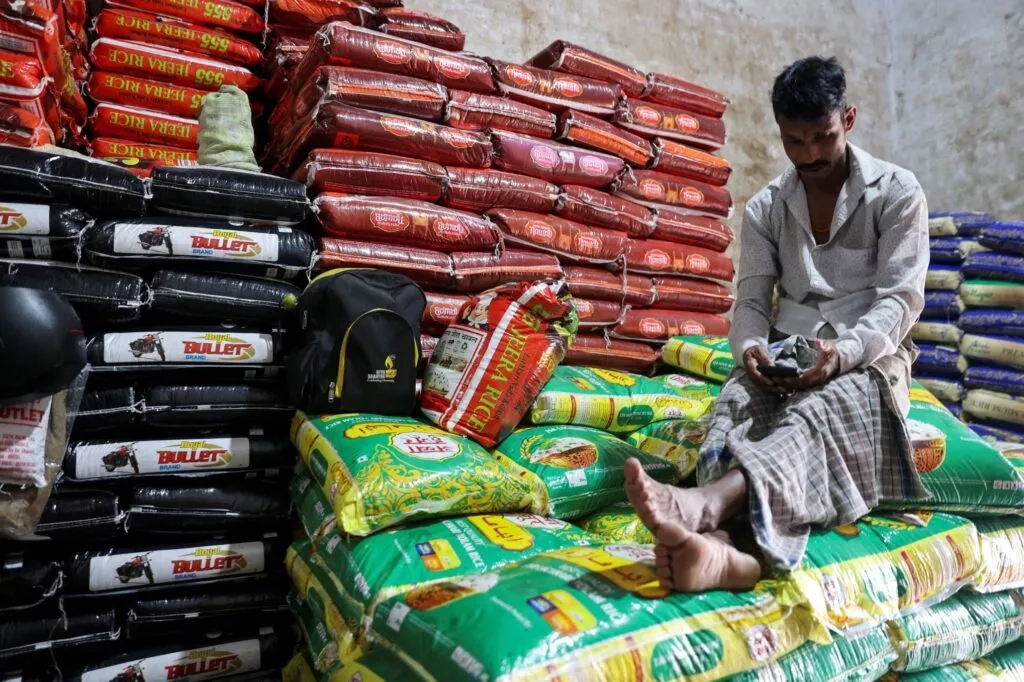
Rice is the country’s main staple food, with average consumption reaching 117 kilograms per person annually, more than twice the global average. However, only 19 percent of the rice consumed locally is produced within the country, while 81 percent is imported.
Millet, the second most important cereal crop, accounts for roughly 30 percent of total cereal production, but current output still falls short of household needs beyond about three months.
Officials say the new initiative is designed to help close this gap by improving production capacity, modernising farming practices, and strengthening the agricultural value chain.
What the Initiative Will Change
Under the program, rice and millet farmers will receive improved seed varieties, climate-smart agricultural training, and access to modern farming technologies. Demonstration farms will also be established to showcase better cultivation techniques.
The project will also focus on reducing post-harvest losses by introducing improved processing and storage technologies while supporting farmers and agribusiness operators to access markets more effectively.
Additional measures include agribusiness training, trade fairs, public-private partnerships, and digital tools to improve value chain efficiency and connect producers with buyers.
The initiative is expected to help increase local cereal production, improve product quality, and create new economic opportunities for farmers and agri-entrepreneurs.
Chinese Technical Experts Deployed
As part of the programme, four Chinese agricultural experts and technicians have already been deployed to The Gambia for a two-year period. They will work alongside national institutions such as the National Agricultural Research Institute, the National Seed Secretariat, and the Department of Agriculture.
The experts will provide hands-on training, establish demonstration sites, and support the introduction of modern agricultural technologies to improve yields.
FAO Representative in The Gambia, Shibu Rampedi, said the organization remains committed to supporting initiatives that promote better production, nutrition, and livelihoods while protecting the environment.
Reducing the Country’s Rice Import Bill
Minister of Agriculture, Livestock and Food Security Demba Sabally said the project is a critical step toward strengthening national food self-sufficiency.
He noted that the government currently spends about $80 million annually importing roughly 200,000 bags of rice, funds that could instead support irrigation schemes, mechanization, and agricultural research.
“This is money that leaves our economy,” he said, adding that boosting domestic production would help retain resources within the country while creating jobs for young people in the agricultural sector.
Part of a Broader South-South Cooperation Program
According to Anping Ye, Director of FAO’s South-South and Triangular Cooperation Division, the project reflects a joint commitment by FAO, China, and The Gambia to accelerate agricultural transformation and strengthen food security.
Chinese Ambassador to The Gambia, Liu Jin, reaffirmed China’s support for agricultural cooperation, stating that the partnership will help transfer technology and experience while improving productivity and market systems for Gambian farmers.
The project forms part of the wider FAO-China South-South Cooperation Programme, through which China has contributed $130 million since 2009 to support agricultural development in developing countries.
Officials say the initiative also aligns with The Gambia’s National Agricultural Investment Plan and the Agricultural and Natural Resources Policy (2017–2026), while contributing to the achievement of the United Nations Sustainable Development Goals on Zero Hunger and global partnerships.
An inception workshop held alongside the launch brought together stakeholders to review the implementation plan and agree on a roadmap for the months ahead as the project begins operations.









Leave a Reply