


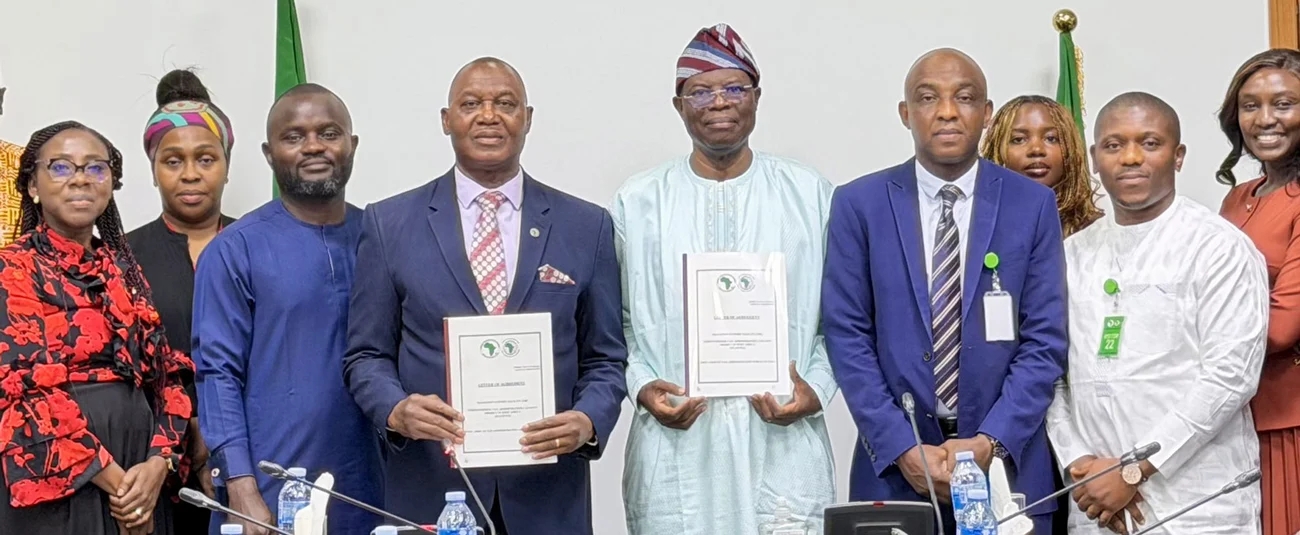
Gambiaj.com – (BANJUL, The Gambia) – The African Development Bank Group has approved a $5.52 million regional grant aimed at strengthening tax administration across six West African countries, a move expected to help The Gambia improves domestic revenue collection, modernizes its tax systems, and reduces financial leakages.
The funding agreement, signed with the West African Tax Administration Forum (WATAF), will finance the Strengthening Tax Administration Capacity Project in West Africa (STACP-WA), a regional initiative designed to enhance the ability of participating countries to mobilize, manage, and safeguard domestic revenues more effectively.
The project will benefit tax authorities in The Gambia, Burkina Faso, Guinea, Guinea-Bissau, Liberia, and Sierra Leone, while also supporting regional coordination through the Economic Community of West African States (ECOWAS).
Why the Funding Matters
For The Gambia and other participating states, the initiative is intended to address persistent weaknesses in tax administration that limit governments’ ability to raise sufficient domestic revenue to fund development priorities.
According to the AfDB, strengthening tax administration is critical for creating “fiscal space”—the financial capacity governments need to invest in infrastructure, public services, and economic growth without relying heavily on external borrowing or aid.
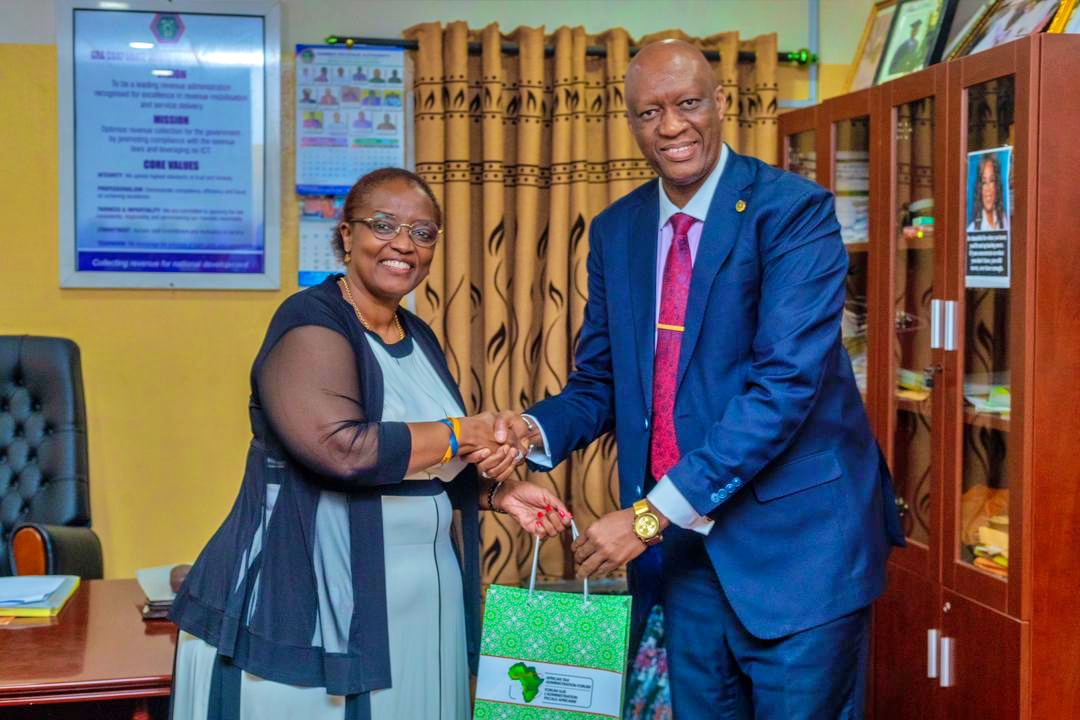
Speaking at the signing ceremony, Abdul B. Kamara, Director General of the African Development Bank for Nigeria, said stronger tax systems would enable countries to finance their development programs more sustainably.
“Strengthening tax administration is essential for creating the fiscal space that will enable countries to finance their development priorities,” Kamara said, adding that the initiative would also help improve governance and reduce revenue leakages.
### What Will Change in Tax Administration
Under the project, tax systems across participating countries, including The Gambia, are expected to undergo significant modernization.
Key reforms include the development of digital tax administration tools, including an electronic invoicing system that will help authorities track transactions more accurately and reduce tax evasion.
The initiative will also strengthen customs administration and valuation systems, which are critical for a country like The Gambia where trade taxes account for a significant portion of government revenue.
Another important component will focus on improving oversight of natural resource revenues, particularly through enhanced tools to assess transfer pricing in the extractive sector, an area where many African countries lose significant revenue through profit shifting and under-reporting.
Tackling Illicit Financial Flows
The project is also designed to help governments curb illicit financial flows, which deprive developing economies of billions of dollars annually.
Through technical assistance, training and analytical work, tax authorities will be equipped with improved tools and skills to detect revenue leakages and enforce compliance.
The initiative will further align tax systems with regional directives and international standards, particularly those linked to the African Continental Free Trade Area (AfCFTA), which is expected to reshape trade and taxation across the continent.
Capacity Building and Research
In addition to technical reforms, the project will invest heavily in capacity building.
This includes the creation of regional training modules for tax officials and the establishment of a West African platform for young tax researchers, aimed at strengthening expertise and knowledge generation in tax policy and administration.
The program will also provide targeted support in selected countries in areas such as Value Added Tax (VAT) implementation, mining sector governance, gender-responsive tax policy, and customs valuation.
Regional Coordination and Long-Term Impact
The project will be implemented by WATAF through a dedicated Project Implementation Unit and overseen by a multi-stakeholder steering committee representing ECOWAS, WATAF leadership, and participating countries.
Jules Tapsoba, Executive Secretary of WATAF, described the initiative as a milestone for regional cooperation in tax administration.
“This marks the first time WATAF is implementing a region-wide tax administration project financed by the African Development Bank Group,” he said, noting that the program would help member countries strengthen domestic revenue systems and reduce financial leakages.
Implementation of the project will run until July 2030, with a strong emphasis on institutional strengthening and long-term sustainability.
For The Gambia, the initiative is expected to complement ongoing reforms aimed at improving tax compliance, digitalizing revenue collection, and enhancing transparency in public financial management.
By strengthening tax administration, authorities hope to increase domestic revenue mobilization, reducing dependence on external financing while supporting national development priorities.






Leave a Reply