


Gambiaj.com – (DAKAR, Senegal) – Senegal secretly raised €650 million in financing through complex and largely undisclosed financial arrangements with international lenders, according to an investigation published Monday by the Financial Times.
The report, based on confidential documents reviewed by the newspaper, indicates that the West African nation secured the funds last year using financial derivatives known as “total return swaps,” without informing the International Monetary Fund or publicly disclosing the arrangements to markets.
According to the investigation, the financing involved agreements with the Nigeria-based development lender Africa Finance Corporation and First Abu Dhabi Bank.
Opaque Borrowing Structures
The €650 million was reportedly raised through total return swaps backed by newly issued domestic sovereign bonds. Under these arrangements, lenders receive rights linked to the performance of the bonds in exchange for providing liquidity to the government.
Analysts say such mechanisms can effectively give lenders priority over existing bondholders in the event of financial distress, making them controversial among sovereign creditors.
The investigation comes as Senegal attempts to stabilize its finances following revelations from a 2025 state audit that found the country had accumulated at least $7 billion in previously undisclosed liabilities under the previous administration.
That discovery pushed the country’s overall debt above $40 billion, equivalent to more than 130 percent of its gross domestic product.
IMF Says Details Not Shared
Senegal is currently negotiating a $1.8 billion bailout program with the International Monetary Fund. However, the IMF told the Financial Times that the detailed terms of the swaps had not been communicated to the institution.
“The IMF team is aware that Senegal has entered into a number of total return swaps with lenders,” the Fund said, adding that it would normally expect authorities to share the financial conditions of new borrowing, particularly during a debt sustainability assessment.
Governments typically disclose secured borrowing to bondholders. However, derivatives such as total return swaps are often not formally classified as loans, allowing them to fall outside conventional reporting practices.
Terms of the Deals
Documents reviewed by the Financial Times indicate that the first arrangement, signed in May with the Africa Finance Corporation, allowed Senegal to access up to €350 million in funding.
Under the agreement, the country initially received €105 million in exchange for providing the lender with approximately €150 million in CFA franc-denominated sovereign bonds and committing to interest payments between 3.5 and 4 percent above a variable benchmark rate.
A second deal, signed in June with First Abu Dhabi Bank, enabled Senegal to borrow €300 million over three years. The agreement reportedly granted the bank claims on roughly €400 million worth of sovereign bonds while charging an interest rate about five percentage points above a variable base rate.
Both loans are scheduled to mature in 2028.
Potential Risks for Debt Restructuring
If Senegal were to default before the maturity date, the contracts could impose significant financial penalties. Documentation from the AFC agreement suggests the lender could mark the value of its bond collateral to zero under such circumstances.
The full scale of Senegal’s borrowing through total return swaps remains unclear. Analysts at Bank of America estimated late last year that the country may have raised as much as $1 billion through such instruments in 2025 alone.
The arrangements also include additional provisions. For instance, the AFC deal reportedly required Senegal to place €55 million in an account to purchase shares in the lender and help finance a power plant project in Dakar.
Meanwhile, the swap agreement with First Abu Dhabi Bank allows the lender to demand repayment if Senegal’s credit ratings fall below minimum thresholds set by agencies such as Moody’s and S&P Global.
Credit rating agencies have already downgraded Senegal’s sovereign credit profile. Moody’s cut the country’s rating to Caa1 in October with a negative outlook, while S&P lowered its rating to CCC+ the following month.
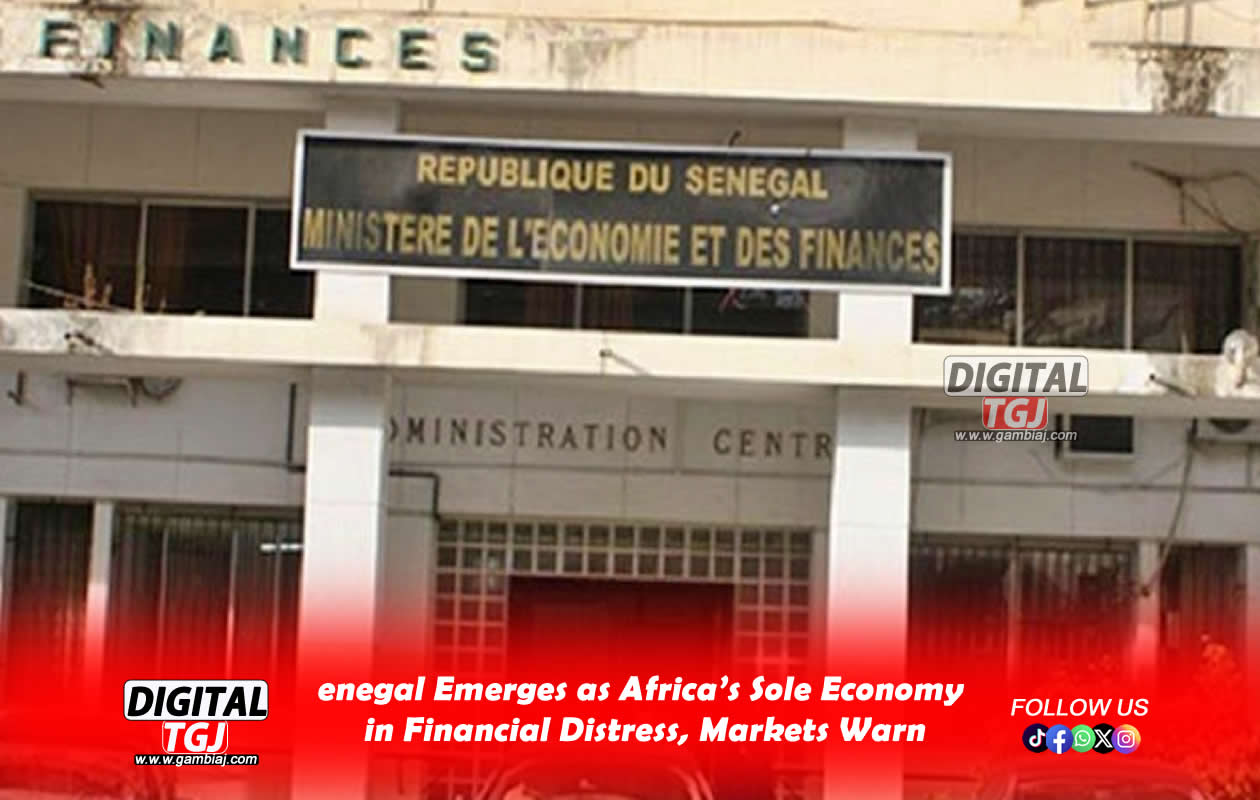
The Senegalese Ministry of Finance and its financial adviser, Global Sovereign Advisory, did not respond to requests for comment from the Financial Times regarding the transactions.
Observers warn that the growing use of opaque borrowing mechanisms could complicate debt transparency and restructuring efforts as governments facing high borrowing costs seek alternative financing channels.








Leave a Reply