


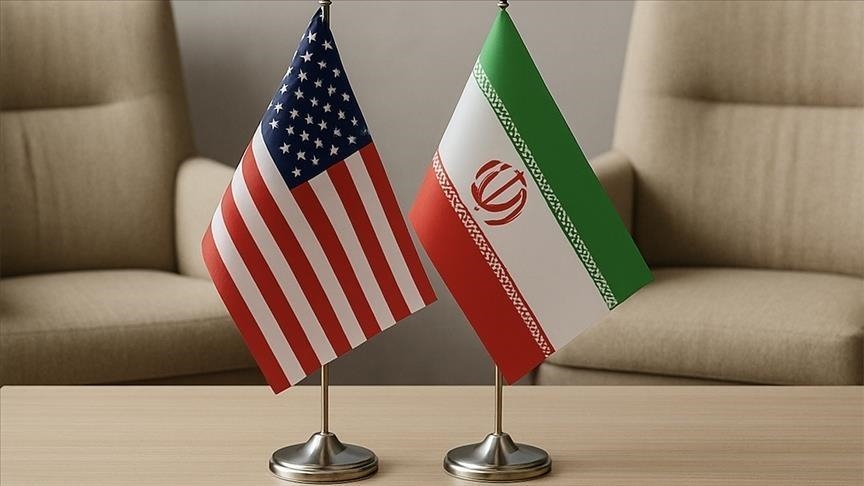
Gambiaj.com – (WASHINGTON, United States) – Conflicting statements from the United States and Iran about potential negotiations to end their ongoing confrontation have created uncertainty in global financial and energy markets, as diplomatic signals remain mixed and the conflict continues.
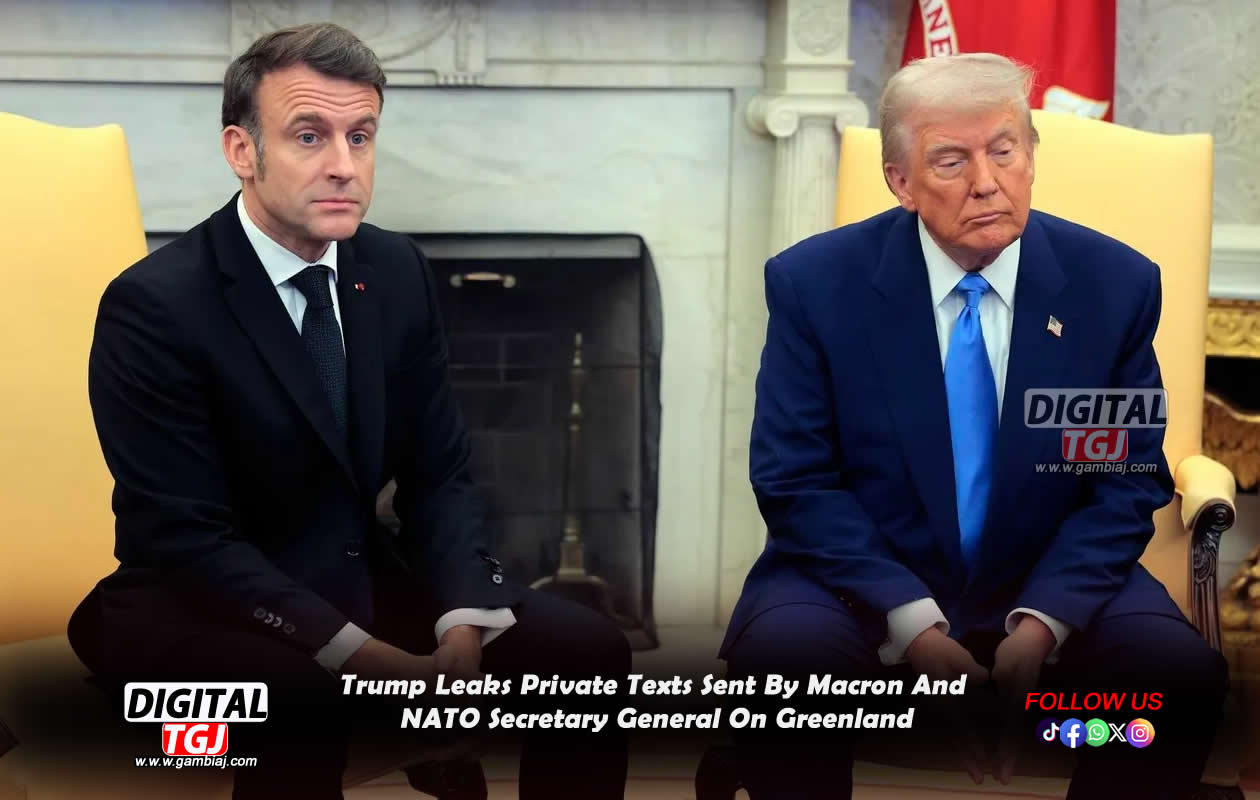
On Saturday, Donald Trump warned that the United States could “obliterate” Iran’s power plants if the Strait of Hormuz were not reopened within 48 hours.
Trump Claims “Productive Conversations”
However, by Monday the US president appeared to soften his tone, announcing a five-day pause on those strikes. Trump said the decision followed what he described as “productive conversations” with Iran. Speaking later to CNN, he claimed that Tehran wanted to “make a deal” and said the US had spoken to a “top person” in Iran’s leadership, though he did not identify the individual or explain the alleged “major points of agreement.”
Iranian officials quickly rejected the claim that negotiations had taken place. Reports had suggested Washington had reached out to Mohammad Bagher Ghalibaf, but he denied the suggestion.
“No negotiations have been held with the US,” Ghalibaf wrote on X, accusing Washington of spreading “fake news” to influence financial and oil markets and to escape what he described as a strategic trap created by the US and Israel.
Diplomatic Efforts Face Uncertainty
Despite the public denials, an Iranian source later told CNN on Tuesday that there had been some form of “outreach” between Washington and Tehran, adding that Iran is prepared to listen to “suitable” proposals aimed at ending the war.
Analysts say trust between the two sides remains extremely fragile. Sanam Vakil noted that Iran had previously been attacked by the United States and Israel while negotiations were ongoing.
“The Iranians have been ‘Trumped’ twice now,” Vakil said, suggesting Tehran would approach any new diplomatic effort with deep skepticism.
Iran is expected to demand strong security guarantees as part of any agreement. According to Vakil, Tehran would want credible assurances that it would not face further attacks from either the US or Israel.
Iran’s president, Masoud Pezeshkian, has also previously said that compensation for damage caused by the strikes would be a condition for ending the war. Tehran has further insisted that it will not dismantle its missile and drone programs, despite earlier threats from Trump to destroy those capabilities.
Amid the uncertainty, several countries are exploring diplomatic options to halt the conflict. Hakan Fidan has reportedly spoken with officials from Iran, Egypt, the United States, and the European Union about possible steps toward de-escalation.
Meanwhile, Qatar, which has often served as a mediator in regional disputes, says it is working closely with Washington to help end the conflict, although its foreign ministry insists it is not directly mediating between the US and Iran.
Pakistan has also offered to host talks, with reports suggesting that JD Vance could attend potential discussions in Islamabad later this week.
However, the prospects for a diplomatic breakthrough remain uncertain. Israel, a key actor in the conflict, appears reluctant to halt military operations. An Israeli source indicated that a deal to end the war “does not appear to be tangible right now,” as Israeli forces continued airstrikes across Iran while Tehran launched retaliatory attacks toward Tel Aviv.
The conflicting messages and ongoing military exchanges have left the possibility of negotiations unclear, with markets and regional observers closely watching for signs of whether diplomacy or escalation will prevail.






Leave a Reply