


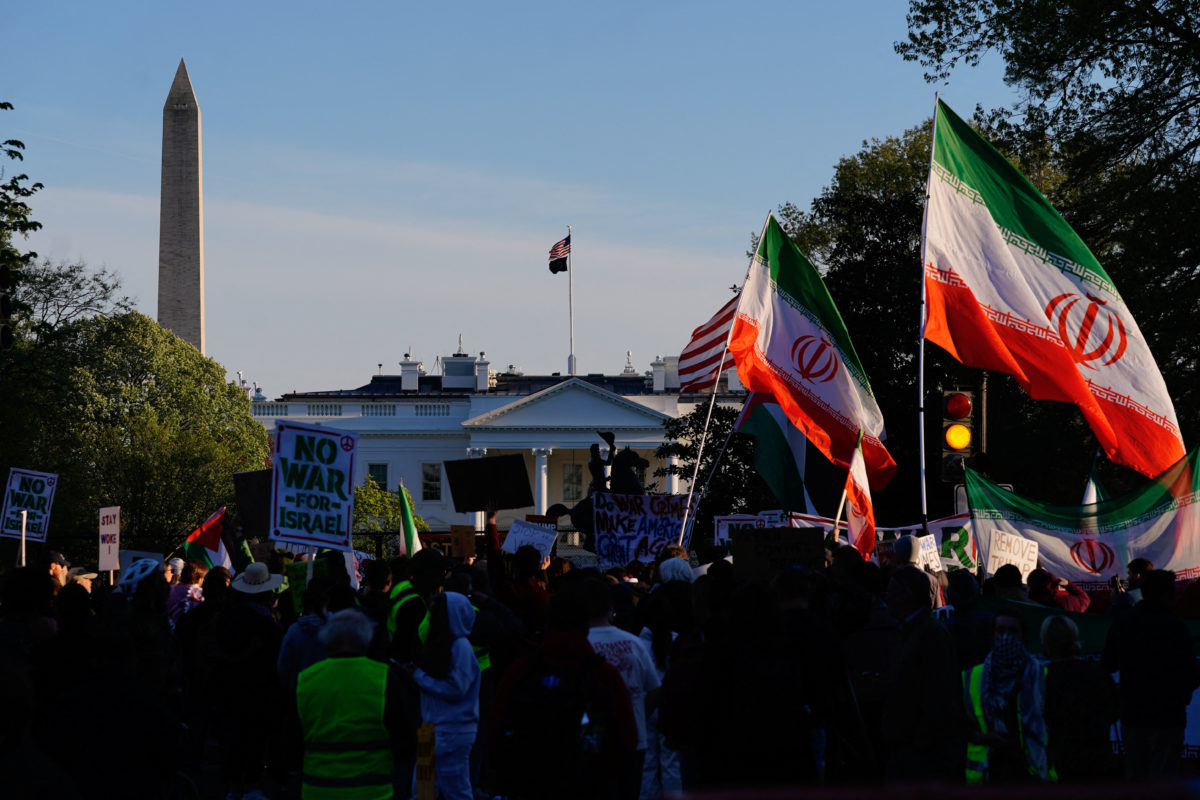
Gambiaj.com – (TEHRAN, Iran) – Iran’s Supreme National Security Council announced on Wednesday that it has accepted a two-week ceasefire in the ongoing war, signaling a potential pause in hostilities while negotiations with the United States are expected to begin later this week.
In a statement, the council said Iranian officials would enter negotiations with the United States in Islamabad starting Friday. However, the body cautioned that the temporary truce should not be interpreted as the end of the conflict.
“It is emphasized that this does not signify the termination of the war,” the statement said. “Our hands remain upon the trigger, and should the slightest error be committed by the enemy, it shall be met with full force.”
Strait Of Hormuz At Center Of Negotiations
As part of what Tehran described as a 10-point plan linked to the ceasefire, Iran said the strategic Strait of Hormuz would operate under a system of “regulated passage” coordinated by the country’s armed forces.
Iran argued that such an arrangement would place the waterway under its supervision while granting it what it called “a unique economic and geopolitical standing.” The proposal also calls for full relief from international sanctions imposed on Tehran.
If implemented, the terms would mark a dramatic shift in relations between Washington and Tehran after more than four decades of hostility that began following the 1979 Islamic Revolution.
Iran’s Foreign Minister, Abbas Araghchi, said vessels would still be able to transit the narrow channel connecting the Persian Gulf to global shipping lanes during the ceasefire period.
“For a period of two weeks, safe passage through the Strait of Hormuz will be possible via coordination with Iran’s Armed Forces and with due consideration of technical limitations,” he said in a statement.
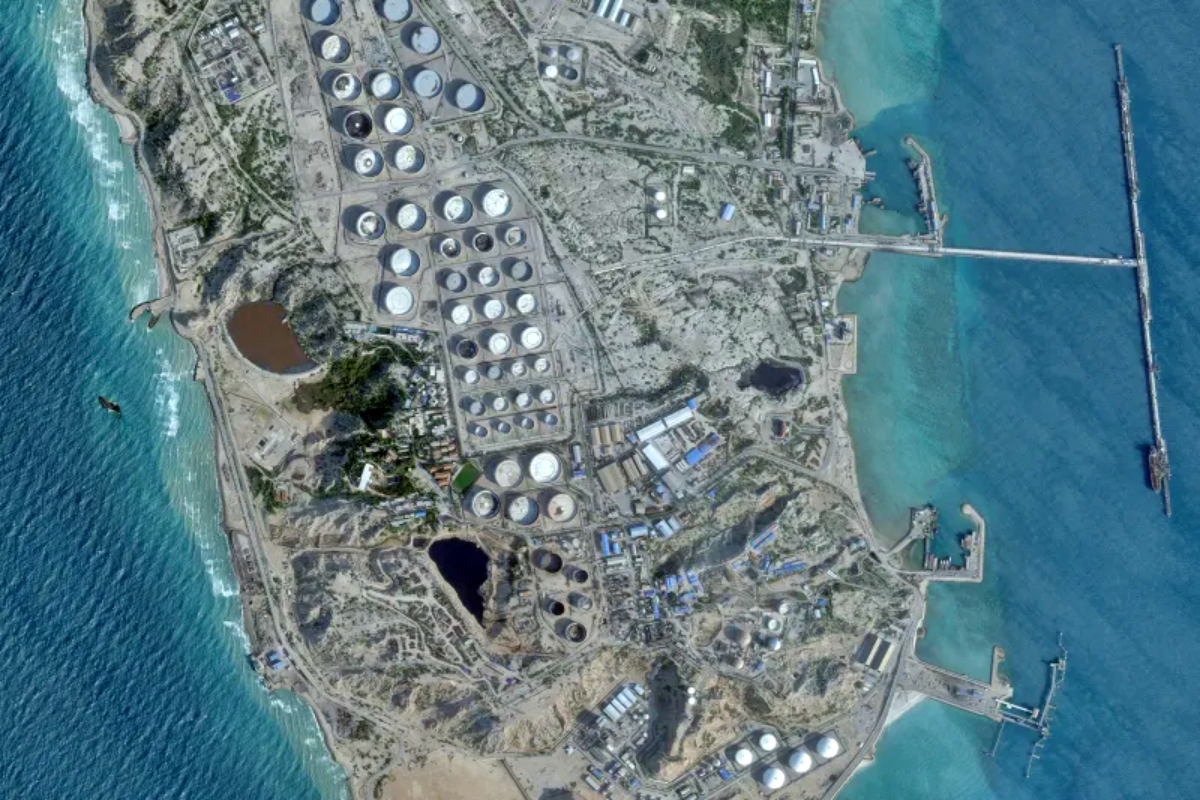
The Strait of Hormuz is one of the world’s most critical maritime chokepoints, with roughly one-fifth of global oil supplies passing through the waterway during normal conditions.
Before the outbreak of the current war, more than 100 vessels a day typically navigated the strait through a long-established traffic management system spanning Iranian and Omani territorial waters. Iranian officials have not clarified whether ships would be required to pay transit fees during the ceasefire period, as they had reportedly done while the conflict was ongoing.
The uncertainty surrounding shipping arrangements in the strait continues to raise questions about the stability of global energy markets as diplomatic efforts unfold.




Leave a Reply