



Gambiaj.com – (LONDON, United Kingdom) – Countries heavily dependent on energy shipments through the Strait of Hormuz are scrambling to develop plans to reopen the critical shipping route as the conflict between the United States, Israel, and Iran disrupts global trade and energy supplies.
The United Kingdom on Thursday convened a meeting of 41 countries to discuss coordinated efforts to restore maritime traffic through the narrow waterway, which carries a significant share of the world’s oil exports.
Participants blamed Iran for effectively holding the global economy “hostage” by disrupting international shipping in the strait.
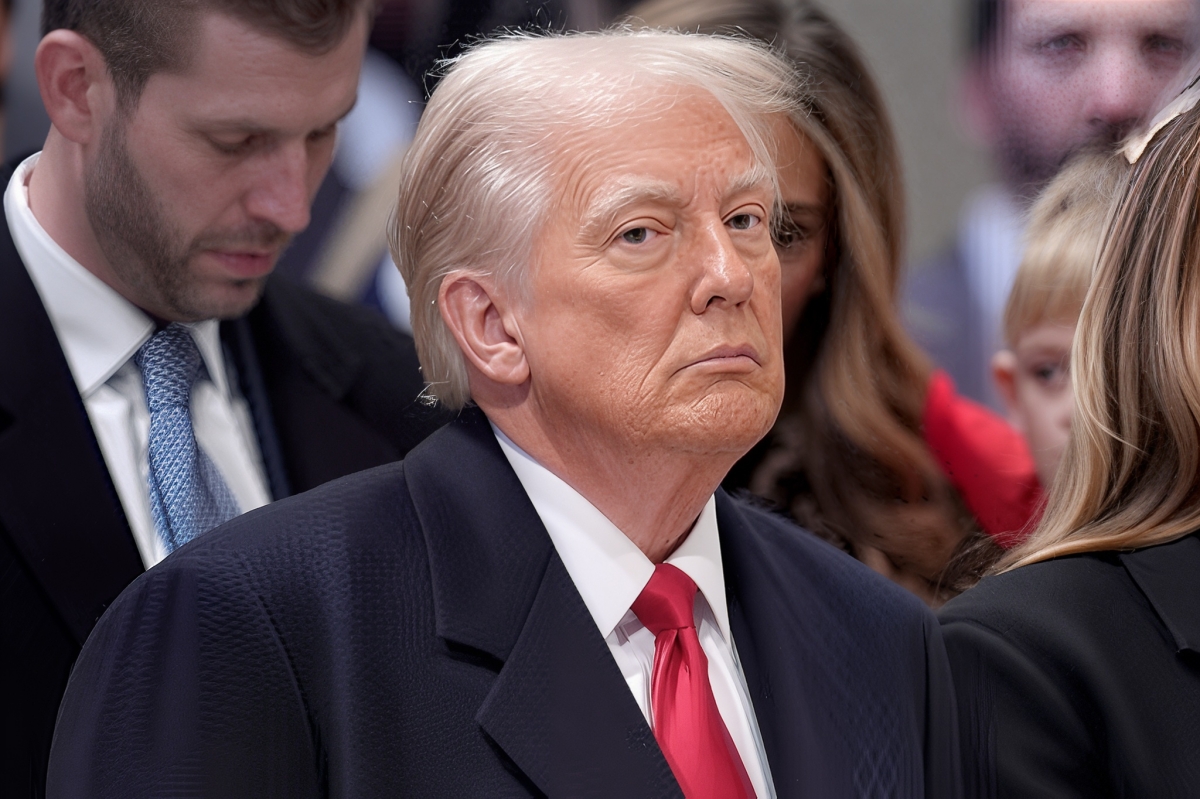
However, frustration is reportedly mounting among U.S. allies over the decision by President Donald Trump to launch military operations against Iran on February 28 without a clear strategy to keep the vital passage open or consulting key partners now expected to help resolve the crisis.
Allies Divided Over U.S. Strategy
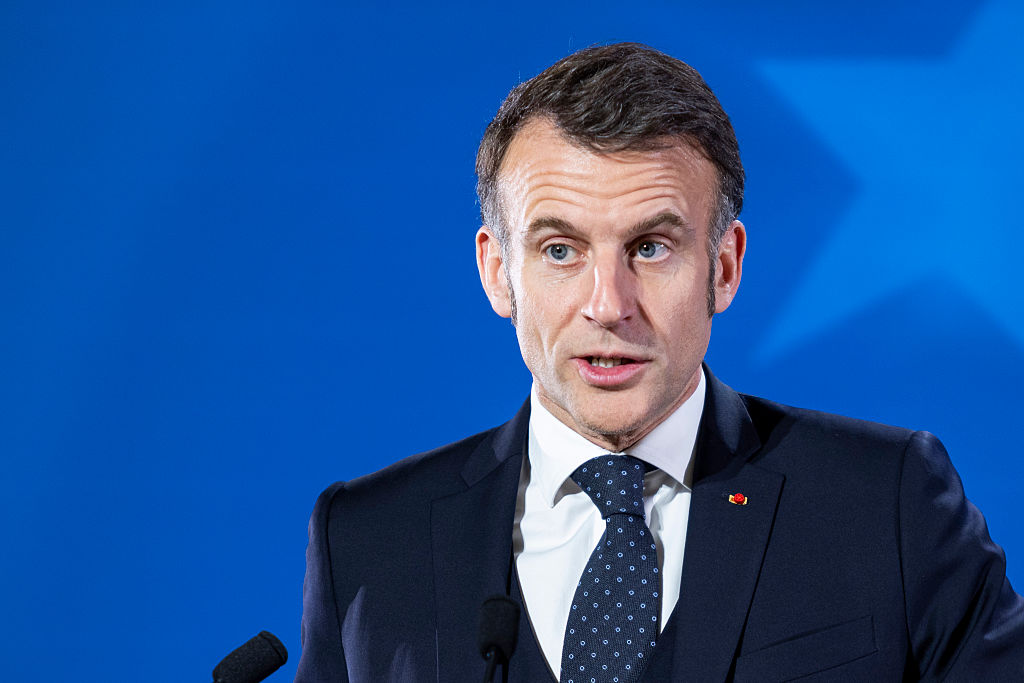
Tensions between Washington and European capitals became more visible when Emmanuel Macron, President of France, rejected Trump’s request for European participation in offensive operations aimed at reopening the waterway.
“They cannot then complain about not being supported in an operation they decided on their own. It is not our operation,” Macron told reporters during a visit to South Korea.
Macron’s remarks came after Trump signaled plans for broader strikes on Iranian infrastructure, saying the United States had bridges and electricity plants inside Iran on its target list.
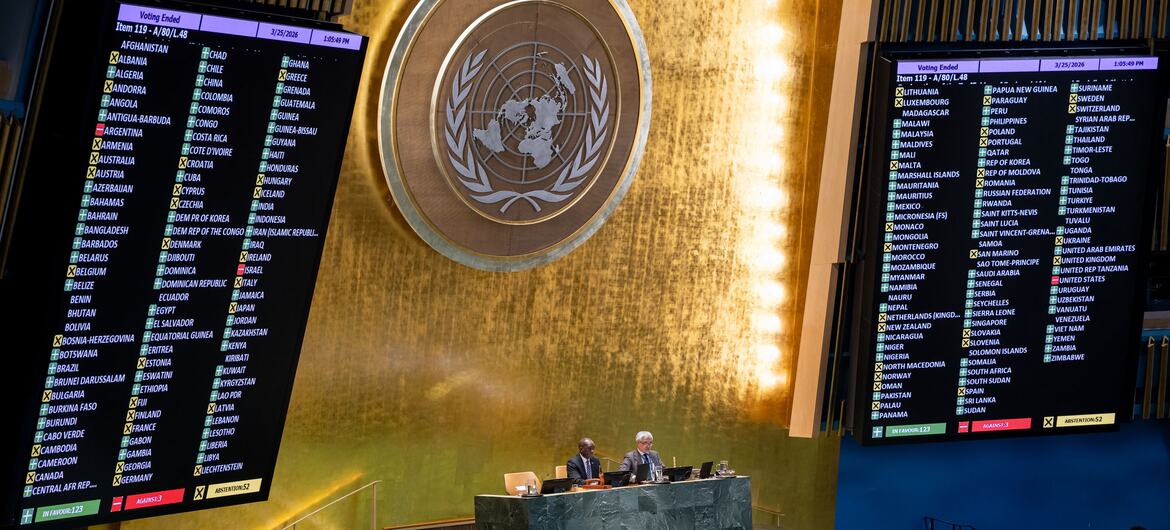
At the United Nations, Bahrain has drafted a United Nations Security Council resolution aimed at protecting commercial shipping around the Strait. The measure, however, faces opposition from veto-wielding China and is expected to go to a vote next week.
Meanwhile, Trump has sharply criticized European allies who declined to support the military campaign, even threatening to withdraw the United States from the North Atlantic Treaty Organization.
The escalating tensions come as Iran tightens its grip on the waterway. Iranian forces have carried out missile and drone attacks against some vessels, issued threats against others, and are believed to be considering the mining of the passage.
Authorities in Tehran have allowed a limited number of ships from friendly nations to pass through the strait upon request, but analysts say the gesture has done little to alleviate the severe economic disruption caused by the closure.
Iran is also seeking to formalize its control over the shipping route. The Iranian parliament on Thursday approved a proposal to impose tolls on vessels passing through the Strait, though the measure would require approval from neighboring states.
According to reports, the Islamic Revolutionary Guard Corps has begun negotiating toll payments with ships trapped in the waterway. Vessels able to demonstrate no links to the United States or Israel may be allowed passage after discussions on payment, with oil tankers reportedly charged starting rates of about $1 per barrel.
Some tankers can carry up to two million barrels of oil, with payments reportedly requested in Chinese yuan or cryptocurrency.
Economic Shock and Humanitarian Concerns
The U.K.-hosted summit rejected Iran’s toll system and outlined four steps aimed at restoring free navigation.
These include increased diplomatic pressure on Iran, exploring sanctions if the waterway remains closed, working with shipping companies to rebuild operational confidence, and coordinating through the International Maritime Organization to secure the release of thousands of vessels and sailors stranded in the strait.
The disruption has already triggered economic and humanitarian concerns worldwide. Several countries have begun rationing fuel supplies while industries reliant on energy imports brace for shortages.
Agriculture has also been affected, with farmers facing fuel constraints and delays in fertilizer shipments that normally transit the Strait. Aid agencies warn the situation could worsen food insecurity in regions already affected by conflict.
In response, the United Nations last month created a task force to assess the humanitarian impact of the shipping blockade and explore mechanisms to ensure essential supplies continue to move through the waterway.
The initiative has drawn support from the International Crisis Group and dozens of former global leaders and humanitarian officials, who argue that ensuring the flow of fertilizer and agricultural inputs could reduce the broader global impact of the conflict.
They cited the example of the Black Sea Grain Initiative negotiated during the Russia–Ukraine War, which temporarily allowed Ukrainian grain exports to continue despite ongoing hostilities.
Volodymyr Zelensky, President of Ukraine, suggested a similar approach could help address the crisis in the Gulf. In an interview broadcast Thursday, he advised separating negotiations over the war from efforts to secure energy shipments through the Strait.
Ukraine, he said, would be willing to help secure the waterway if requested, proposing measures including military escorts for ships, advanced electronic warfare systems, and interceptor capabilities.
“For now, we are not yet involved,” Zelensky said, adding that Ukraine stands ready to share its expertise if partners decide to pursue such a plan.
As diplomatic efforts intensify, global leaders warn that prolonged disruption to one of the world’s most important maritime chokepoints could have far-reaching consequences for energy markets, food supplies, and international stability.




Leave a Reply