


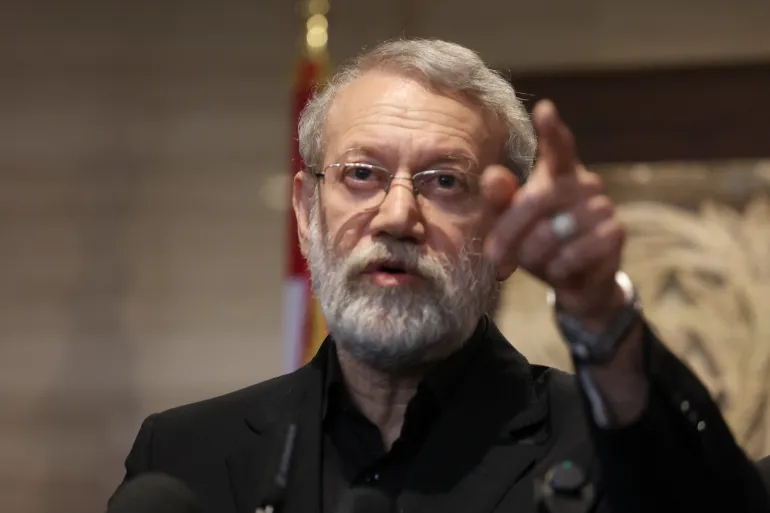
Gambiaj.com – (TEL AVIV, Israel) – Israel has claimed it killed one of Iran’s most powerful figures, Ali Larijani, in a targeted strike, marking what analysts describe as a potentially decisive escalation in the ongoing confrontation between the two rivals.
Israeli Defense Minister Israel Katz announced that Larijani, head of Iran’s Supreme National Security Council, was “eliminated” Monday night, alongside senior paramilitary commander Gholamreza Soleimani. The claims, if confirmed, would amount to a major blow to Iran’s leadership structure.
However, Iranian authorities have not confirmed either killing, casting uncertainty over the Israeli narrative. Iran’s state-linked media even published a purported handwritten note attributed to Larijani dated March 17, suggesting he may still be alive.
A “De Facto Leader” Targeted
Larijani had, in recent weeks, emerged as one of the most influential figures in Iran following the death of Supreme Leader Ali Khamenei. Analysts widely regarded him as a central decision-maker on national security and war strategy, effectively positioning him as a de facto leader within the Islamic Republic’s power structure.
A veteran of Iran’s political and military establishment, Larijani previously served as parliament speaker for over a decade, chief nuclear negotiator, and head of the state broadcaster.
His long-standing advisory role to Khamenei and deep ties to the Islamic Revolutionary Guard Corps (IRGC) gave him considerable sway over both civilian and military policy.
In recent weeks, he had taken a prominent role in shaping Iran’s response to its conflict with Israel, while publicly signaling Tehran’s readiness for a prolonged war.
Basij Commander Also Reportedly Killed.
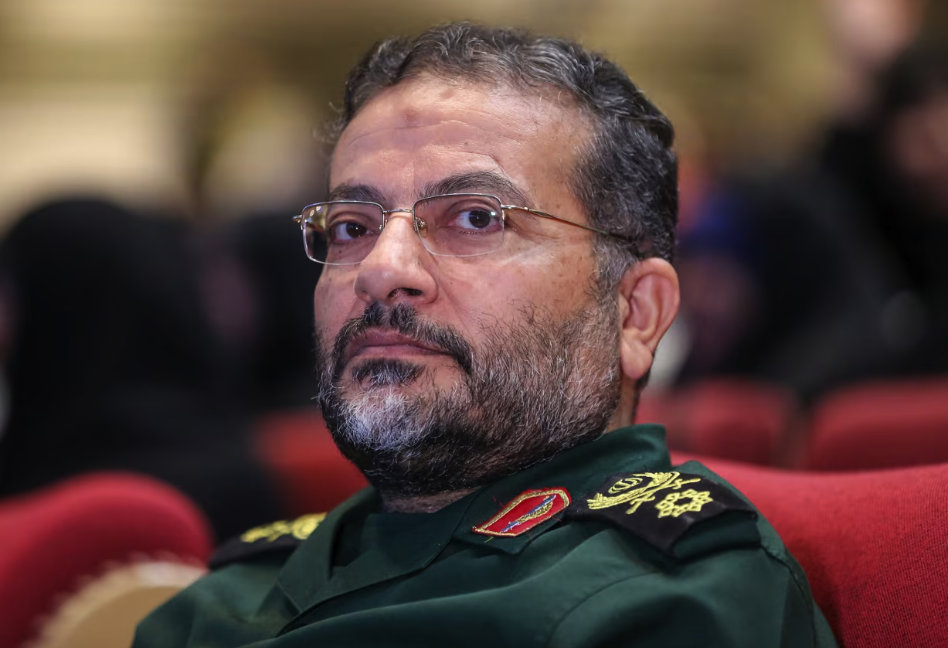
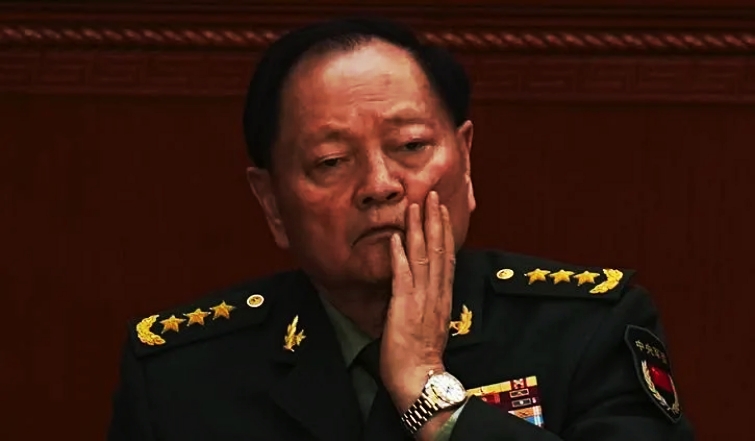
Gholamreza Soleimani, a senior officer in the Islamic Revolutionary Guard Corps, in the Iranian capital Tehran on November 24, 2019. Atta Kenare/AFP/Getty Images
The Israeli military separately announced the killing of Gholamreza Soleimani, the head of the Basij paramilitary force, describing it as a “significant blow” to Iran’s internal security apparatus.
The Basij, a volunteer militia operating under the IRGC, plays a central role in enforcing domestic control, suppressing protests, and mobilizing civilian support for the regime. Under Soleimani’s leadership, the group was instrumental in cracking down on anti-government demonstrations, including those in 2019.
Israeli sources indicated that additional senior Basij figures may also have been killed in the same operation, though details remain limited.
Strategic Implications as Uncertainty Persists
If verified, the simultaneous targeting of Larijani and Soleimani would represent a dual strike at both Iran’s strategic command and its internal enforcement machinery, an approach consistent with Israel’s stated objective of dismantling what it calls Iran’s “terror and repression regime.”
Katz said Israel would continue pursuing senior Iranian leaders, signaling an intensification of its decapitation strategy aimed at disrupting Tehran’s chain of command.
For Iran, the potential loss of Larijani, seen as both a pragmatic strategist and a unifying figure within the regime, could trigger a leadership vacuum at a critical juncture in the conflict.
Despite Israel’s assertions, the absence of official confirmation from Tehran leaves the situation fluid. Conflicting signals, including the reported letter attributed to Larijani, underscore the fog of war surrounding high-level targeted strikes.
Until independently verified, the fate of one of Iran’s most influential power brokers and the broader implications for the region remain uncertain.









Leave a Reply