


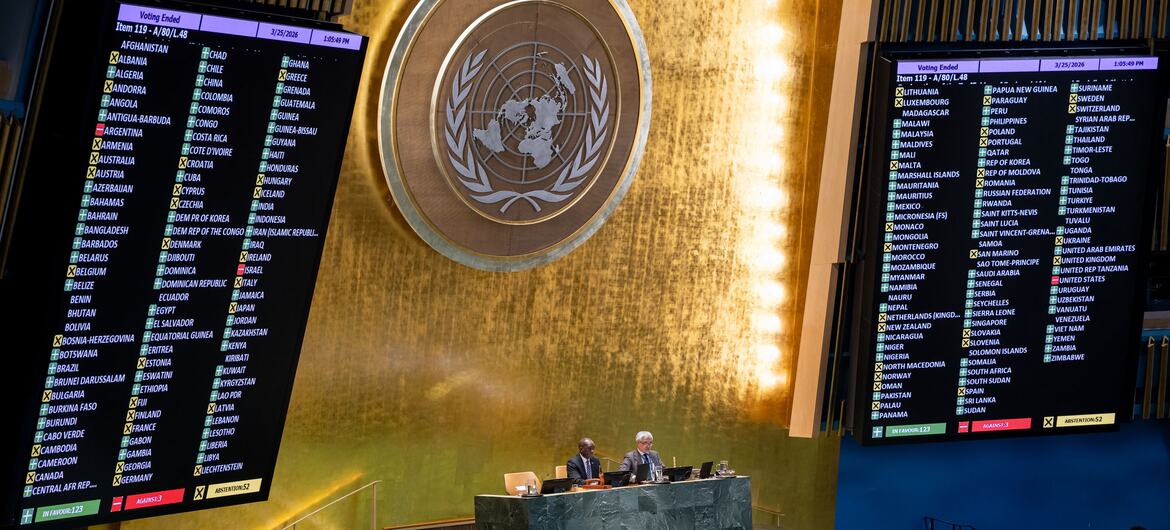
Gambiaj.com – (NEW YORK, United States) – The United Nations General Assembly has adopted a landmark resolution declaring the transatlantic slave trade and the racialized enslavement of Africans as the “gravest crime against humanity,” a decision that supporters say could reshape global understanding of the slave trade while strengthening Africa’s push for reparatory justice and structural reforms in the international system.
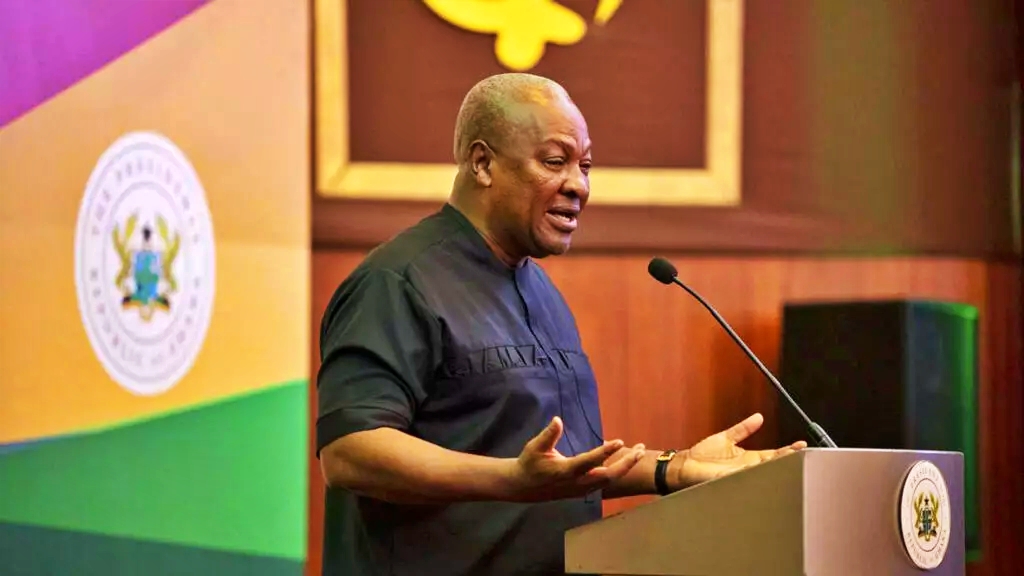
The resolution, spearheaded by Ghana and presented by President John Dramani Mahama on behalf of the 54-member African Group, was adopted with 123 votes in favor. Three countries – Argentina, Israel, and the United States – voted against the measure, while 52 member states abstained.
“Today, we come together in solemn solidarity to affirm truth and pursue a route to healing and reparative justice,” Mahama said ahead of the vote.
Reframing the Slave Trade as a Historic Crime
The resolution describes the trafficking of enslaved Africans and the system of racialized chattel slavery as a defining rupture in world history due to its scale, duration, brutality, and lasting global consequences.
For more than four centuries, millions of Africans were forcibly taken from the continent, shackled, and transported across the Atlantic to plantations in the Americas, where they were forced to labor in cotton fields and sugar and coffee plantations under brutal conditions.
Stripped of their names, families, and identities, they endured generations of exploitation that the resolution says continue to shape racial hierarchies and economic disparities today.
President of the General Assembly Annalena Baerbock told delegates that the impact of slavery was not confined to the Americas but also devastated Africa itself. Entire generations were removed from the continent, hollowing out societies and depriving them of people who might otherwise have helped build prosperous economies.
She described the slave trade bluntly as “mass resource extraction,” a system that removed both labor and potential wealth from Africa while enriching other parts of the world.
A Shift in the Global Narrative
By defining the transatlantic slave trade as the gravest crime against humanity, the resolution marks an effort to shift the historical narrative surrounding slavery from one focused primarily on abolition to one that highlights the systemic exploitation of Africa and its enduring global consequences.
Addressing the assembly during the commemoration of the International Day of Remembrance of the Victims of Slavery and the Transatlantic Slave Trade, António Guterres, Secretary-General of the United Nations, urged countries to confront the persistent legacies of slavery, including racism and inequality affecting people of African descent.
“Now we must remove the persistent barriers that prevent so many people of African descent from exercising their rights and realizing their potential,” he said, calling on governments to commit fully to equality, human rights, and the inherent dignity of every person.
The resolution also emphasizes that addressing historical injustices is essential to healing and justice, highlighting reparations as a concrete step toward remedying the damage inflicted on Africans and their descendants.
Platform for Reparations and African Development
Supporters argue that beyond symbolic recognition, the resolution provides African states with a stronger diplomatic and moral platform to pursue reparatory justice and structural reforms in global governance.
Guterres pointed to ongoing initiatives such as the Second International Decade for People of African Descent and the African Union’s Decade of Reparations as opportunities for states to push for concrete actions addressing the legacy of slavery.
He said those efforts should include dismantling systemic racism while promoting inclusive development through equal access to education, employment, healthcare, housing, and environmental safety.
The UN chief also called for stronger commitments to respect African countries’ ownership of their natural resources and to ensure that African states have greater influence in global financial institutions and decision-making bodies such as the UN Security Council.
Opposition and Debate
Despite broad support, the resolution faced strong opposition from the United States.
Dan Negrea, the US representative to the UN Economic and Social Council, criticised the text as “highly problematic,” arguing that the United Nations was created primarily to maintain international peace and security rather than to advance specific agendas or create new mandates.
Washington also rejected the legal premise of reparations linked to historical slavery, stating that it does not recognize a legal right to compensation for acts that were not considered illegal under international law at the time they occurred.
Calls for Justice
The moral weight of the debate was underscored when Esther Phillips, Poet Laureate of Barbados, addressed the assembly with a reading reflecting on the memory of enslaved ancestors buried on former plantations.
“There are spirits of the victims of slavery present in this room at this moment, and they are listening for one word only: justice,” she told delegates.
Her words captured the central message behind the resolution: that acknowledging the crimes of the transatlantic slave trade is only the first step and that meaningful justice will ultimately depend on the willingness of nations to translate recognition into action.




Leave a Reply