


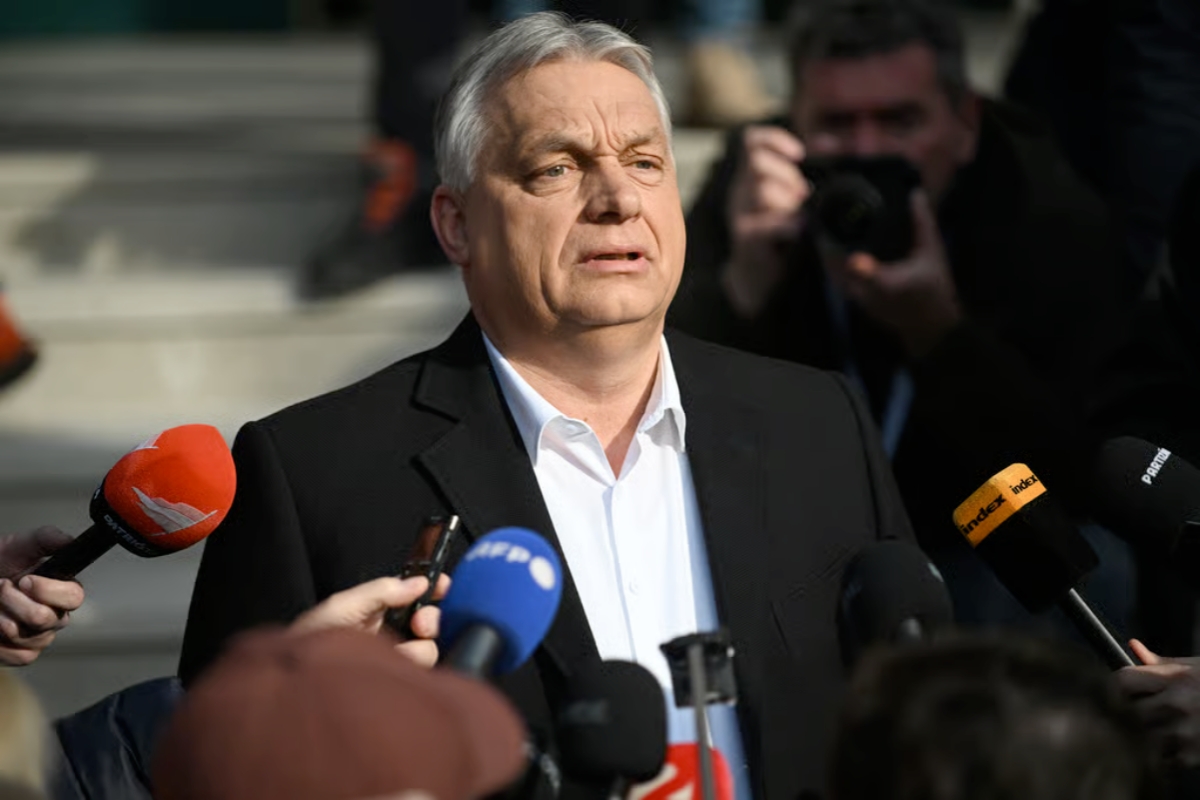
Gambiaj.com – (BUDAPEST, Hungary) – The 16-year rule of Hungarian Prime Minister Viktor Orbán has come to a dramatic end following a crushing electoral defeat to opposition leader Péter Magyar in Sunday’s high-turnout national vote, marking a pivotal shift in Hungary’s domestic and international political trajectory.
With more than 91 percent of ballots counted, Magyar’s Tisza party was projected to secure 138 seats in the 199-member parliament, comfortably surpassing the two-thirds threshold required for a constitutional supermajority. Orbán’s ruling Fidesz party, by contrast, was on track to win just 54 seats.
In an emotional concession, Orbán acknowledged defeat, pledging to continue serving Hungary from the opposition benches. His departure ends a political era defined by the consolidation of power and the construction of what he termed an “illiberal democracy.”
Magyar, addressing jubilant supporters along the Danube, declared victory as a turning point for the nation. “Together, we have liberated Hungary,” he said, signaling an ambitious reform agenda aimed at dismantling entrenched political structures built during Orbán’s tenure.
Supermajority Opens Door to Sweeping Reforms
Magyar’s anticipated supermajority grants his government unprecedented legislative leverage, including the ability to amend the constitution and overhaul key state institutions. Analysts expect rapid moves to reform the judiciary, restore media pluralism, and reclaim state assets transferred to pro-government foundations.
The new administration is also likely to target electoral laws widely criticized for favoring Fidesz while removing loyalists embedded in strategic positions such as the presidency and the Constitutional Court.
These changes could prove critical in restoring Hungary’s access to billions in frozen European Union funds, which had been withheld over rule-of-law concerns during Orbán’s leadership.
European Leaders Welcome Outcome
The result was met with swift and enthusiastic reactions across Europe. Ursula von der Leyen hailed the outcome as a reaffirmation of European values, stating that “Europe’s heart is beating stronger in Hungary tonight.”
Similarly, French President Emmanuel Macron congratulated Magyar, describing the result as a victory for democratic participation and Hungary’s commitment to the European project. Germany’s Chancellor Friedrich Merz also extended an invitation to collaborate on strengthening a unified Europe.
Orbán had long been a disruptive force within the EU, frequently clashing with Brussels over democratic norms and foreign policy, including his opposition to financial support packages for Ukraine amid the ongoing war with Russia.
Blow to Trump-Aligned Populism
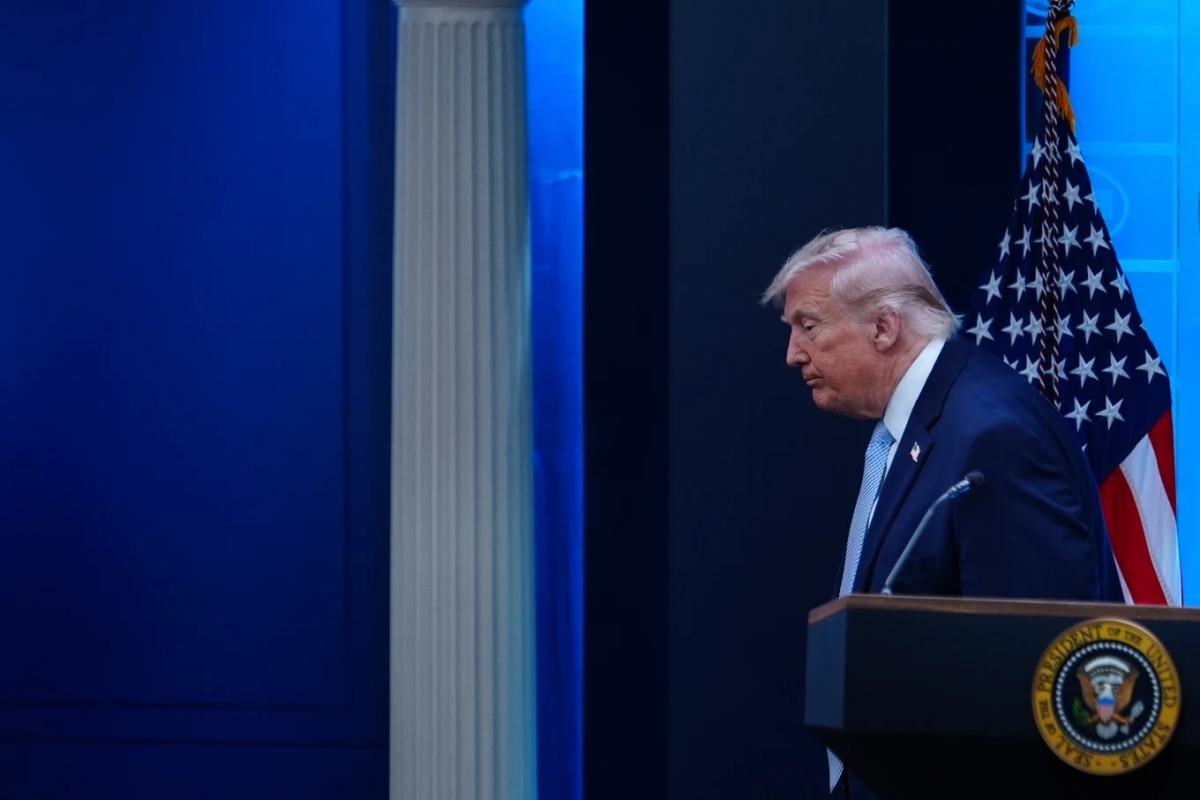
Orbán’s defeat also carries broader geopolitical implications, particularly for allies within the global populist movement. A close associate of President Donald Trump and Russian President Vladimir Putin, Orbán had become a symbolic figure for nationalist, anti-immigration politics.
Despite high-profile endorsements and campaign interventions from U.S. figures including Vice President JD Vance and Secretary of State Marco Rubio, external support failed to influence the outcome.
Economy and Corruption Drive Voter Shift
Observers attribute Orbán’s downfall largely to domestic concerns rather than geopolitical messaging. His campaign focused heavily on external threats, including the European Union and Ukraine, while portraying Magyar as a risk to national stability.
However, voters appeared more concerned with economic stagnation, deteriorating infrastructure, and allegations of systemic corruption and cronyism tied to the ruling elite.
The election ultimately evolved into a “bread-and-butter” contest, with public dissatisfaction overriding Orbán’s longstanding strategy of mobilizing support through nationalist rhetoric and external adversaries.
End of an Era
Orbán’s defeat underscores the limits of entrenched incumbency, even in systems where political advantages have been structurally reinforced. Despite years of consolidating influence over the media, judiciary, and electoral processes, the scale of voter discontent proved decisive.
For Hungary, the transition signals a potential return to democratic pluralism. For Europe and beyond, it represents a significant recalibration of political alignments, with ripple effects expected across both the EU and the broader transatlantic landscape.










Leave a Reply