


Gambiaj.com – (WASHINGTON, United States) – The war between the United States and Iran has already cost American taxpayers tens of billions of dollars, even as a recently announced two-week ceasefire temporarily halts the escalation of hostilities.
Although the truce has paused large-scale military operations, the financial burden of more than five weeks of conflict continues to mount. Estimates compiled by analysts and anti-war organizations suggest that the cost of the war has reached at least $28 billion, with some trackers placing the figure as high as $44 billion.
During the most intense phase of the fighting, the United States was spending roughly $500 million per day on military operations against Iran, according to Mark Cancian, a defense expert at the Center for Strategic and International Studies (CSIS).
These costs include combat operations, the use of advanced munitions, troop deployments, and the replacement of damaged or destroyed equipment.
The conflict, which intensified after the United States launched “Operation Epic Fury” on February 28, quickly became expensive due to the heavy use of precision weapons. In the first six days alone, the war cost about $11.3 billion, with daily expenses exceeding $2 billion, according to estimates by the Penn Wharton Budget Model.
Among the costly weapons used were Tomahawk cruise missiles, each priced at nearly $3.5 million, and missile-defense interceptors such as the SM-3 and SM-6, which can cost up to $4–5 million apiece. Hundreds of these systems were reportedly deployed during the early stages of the conflict. Guided bombs such as the AGM-154 were also used extensively.
As the war progressed, the U.S. military shifted to cheaper munitions, including JDAM guidance kits, while the number of Iranian ballistic missile launches declined. This reduced the need for expensive missile-defense interceptors and helped lower daily costs.
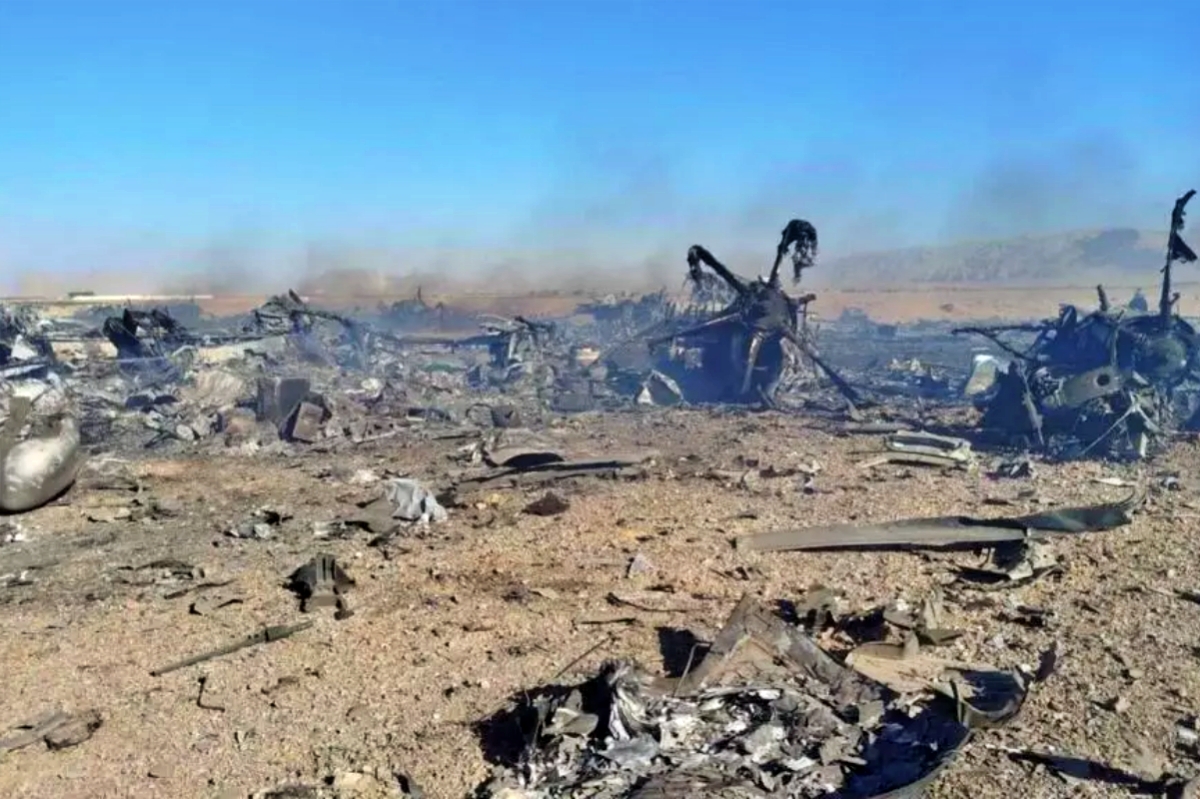
The financial toll has also been driven by battlefield losses and damage to military infrastructure. Analysts say the repair of the aircraft carrier USS Gerald R. Ford could represent one of the most significant expenses.
In addition, an E-3 Sentry airborne surveillance aircraft, often referred to as an AWACS, was destroyed by an Iranian strike on March 27 at an airbase in Saudi Arabia. The aircraft alone is valued at about $700 million.
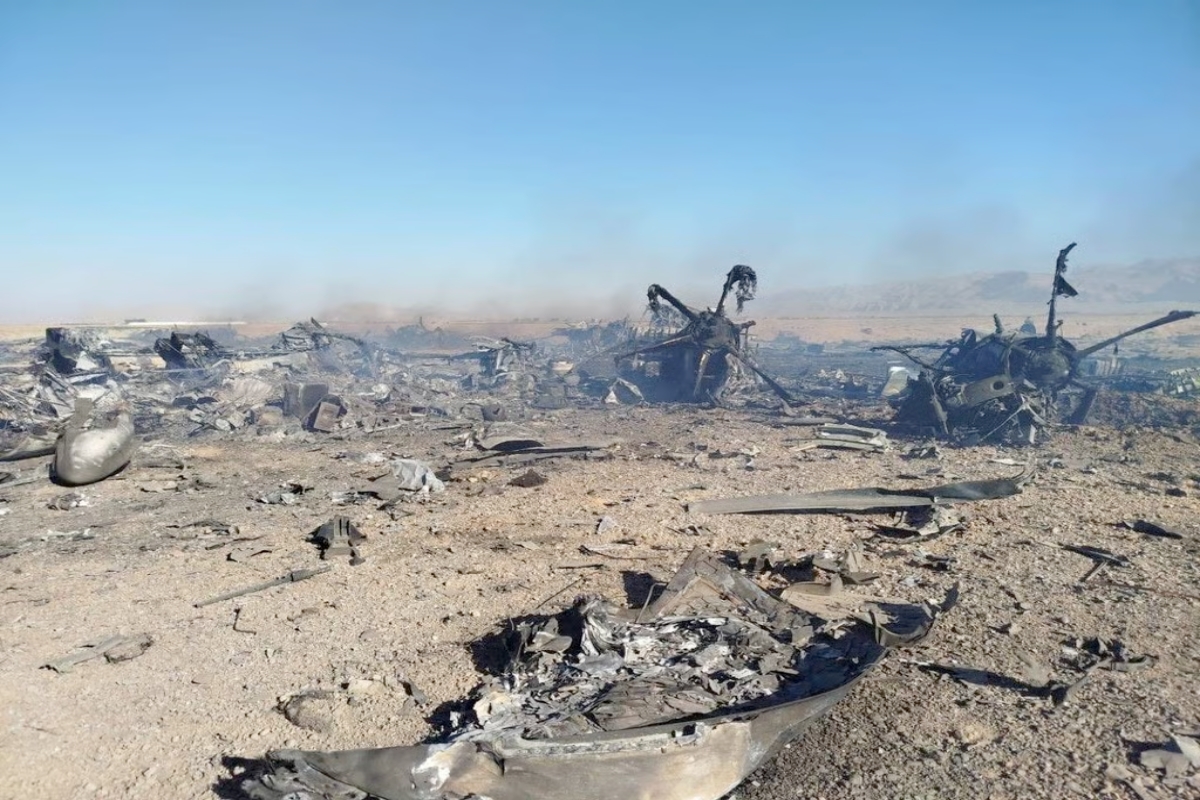
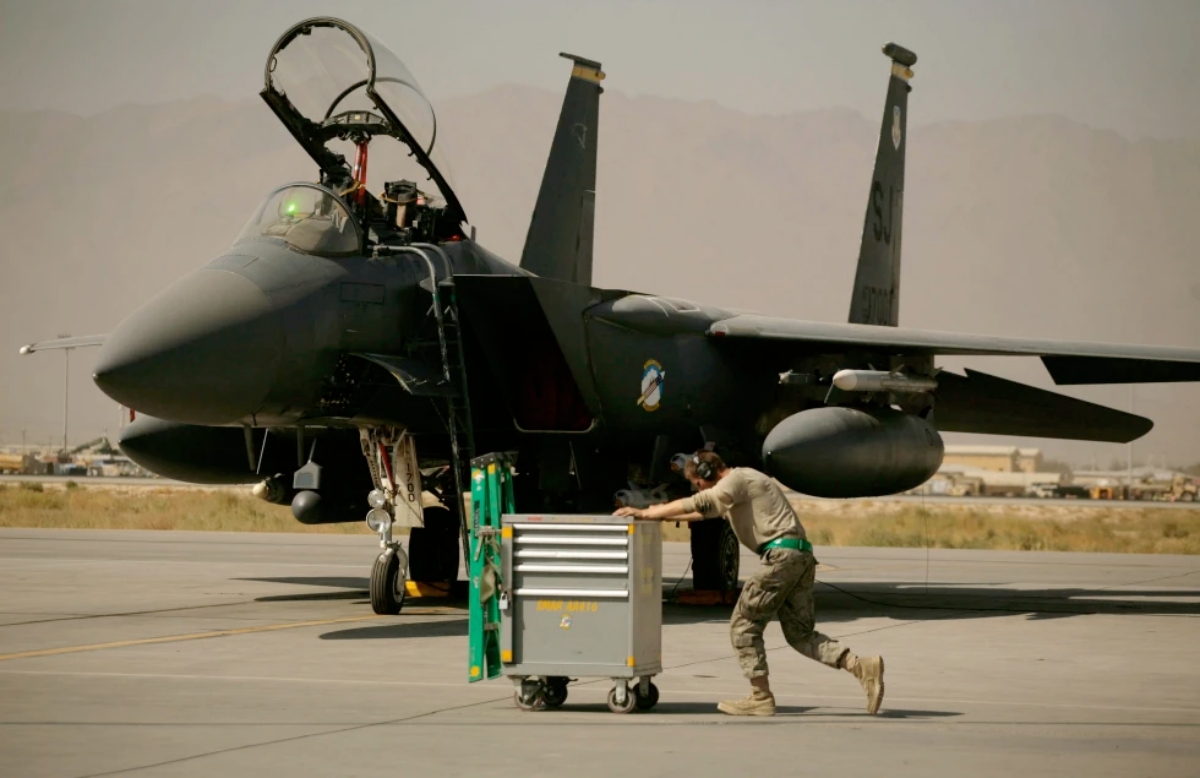
Other losses include an F-15E fighter jet, an A-10 attack aircraft, two C-130 transport planes, and several helicopters, with total equipment losses estimated at around $500 million. The rescue operation for the downed F-15E pilot also involved more than 150 aircraft, adding further but unquantified costs.
Damage to U.S. military bases in the Gulf has added to the bill, including two radar systems damaged in Jordan and Qatar, along with communication systems and infrastructure.
While the ceasefire is expected to reduce daily war expenses significantly, the United States will still spend an estimated $100 million per day to maintain its military presence in the region.
Experts say these figures reflect only part of the overall financial burden.
Current estimates largely focus on Pentagon spending and exclude costs incurred by other federal agencies, as well as indirect economic impacts such as higher fuel prices.
Long-term costs are also expected to grow in the years ahead. More than 370 U.S. soldiers had been wounded by early April, meaning future spending on veterans’ healthcare, disability payments, and pensions will likely increase. Additional funds will also be needed to replenish depleted weapons stockpiles.
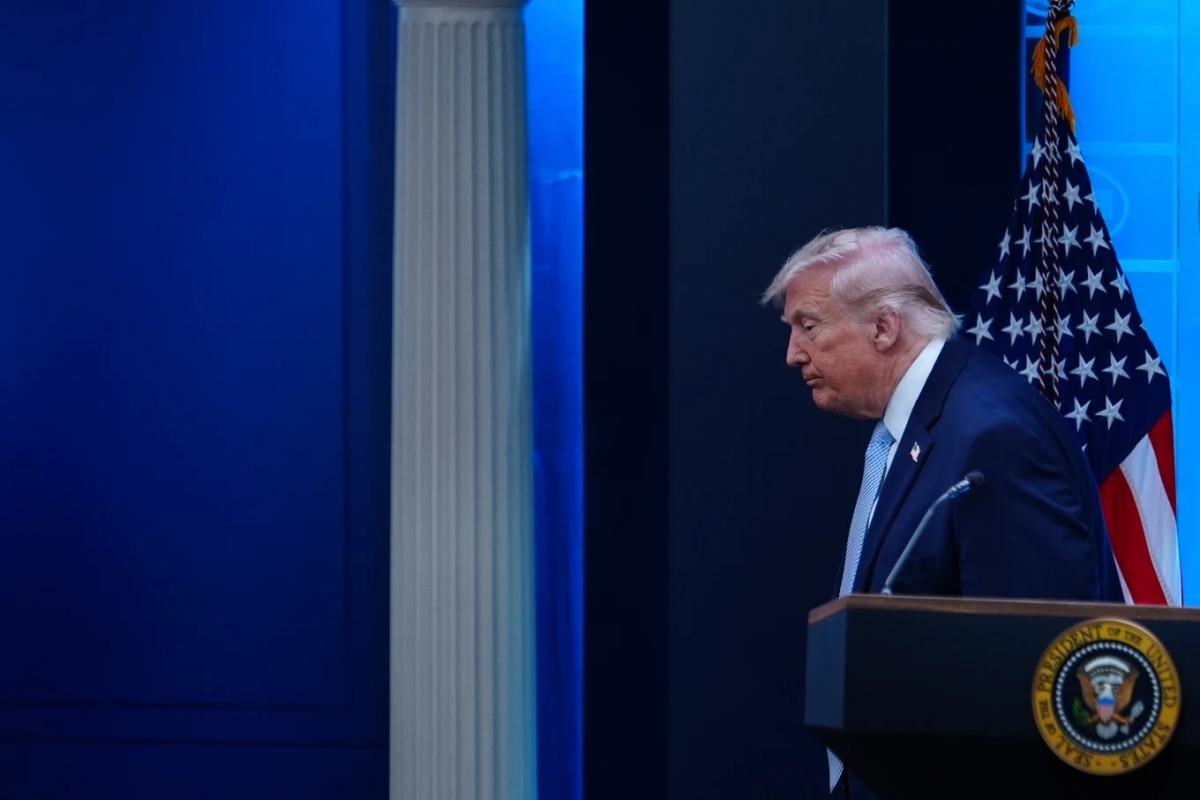
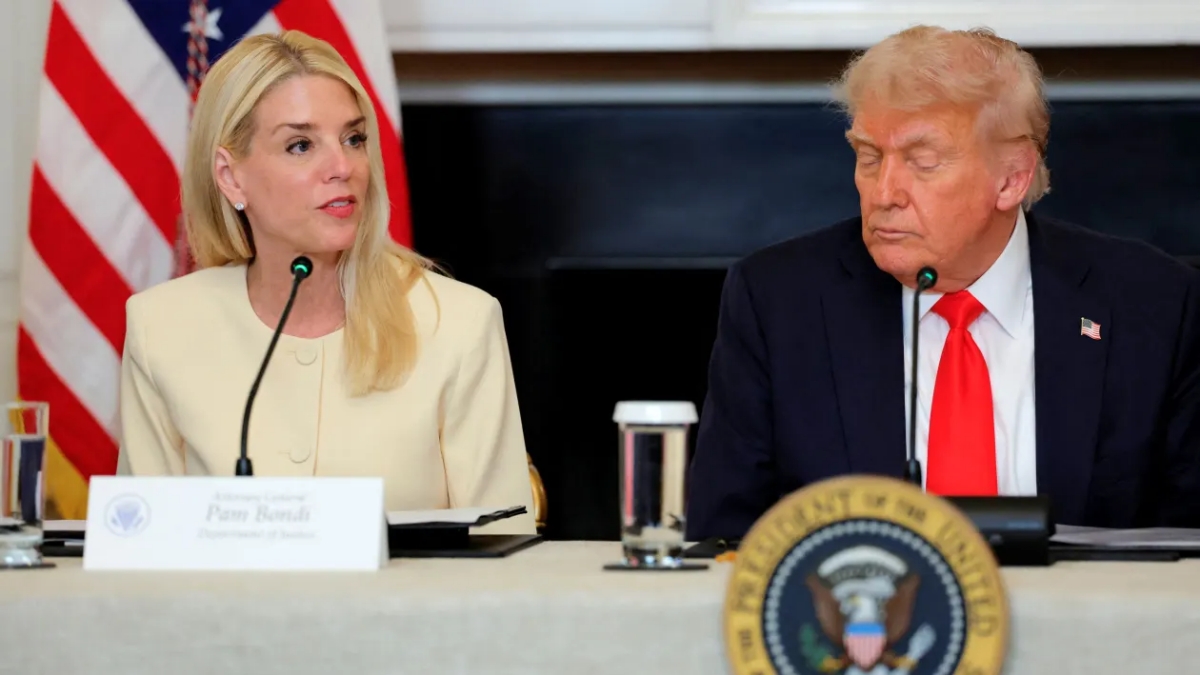
In anticipation of those needs, President Donald Trump has called for a more than 40 percent increase in the U.S. defense budget for 2027, aimed partly at rebuilding military inventories and modernizing the armed forces.
Historical data suggest the long-term financial consequences of war can far exceed the immediate costs. According to the Costs of War Project at Brown University, U.S. military engagements since the September 11, 2001, attacks—including wars in Iraq and Afghanistan—have ultimately cost more than $8 trillion when long-term obligations are included.
The White House is now preparing a request to Congress for additional funding to support military operations and replenish weapons stocks, although the final amount is expected to be lower than the initially proposed €200 billion.







Leave a Reply