


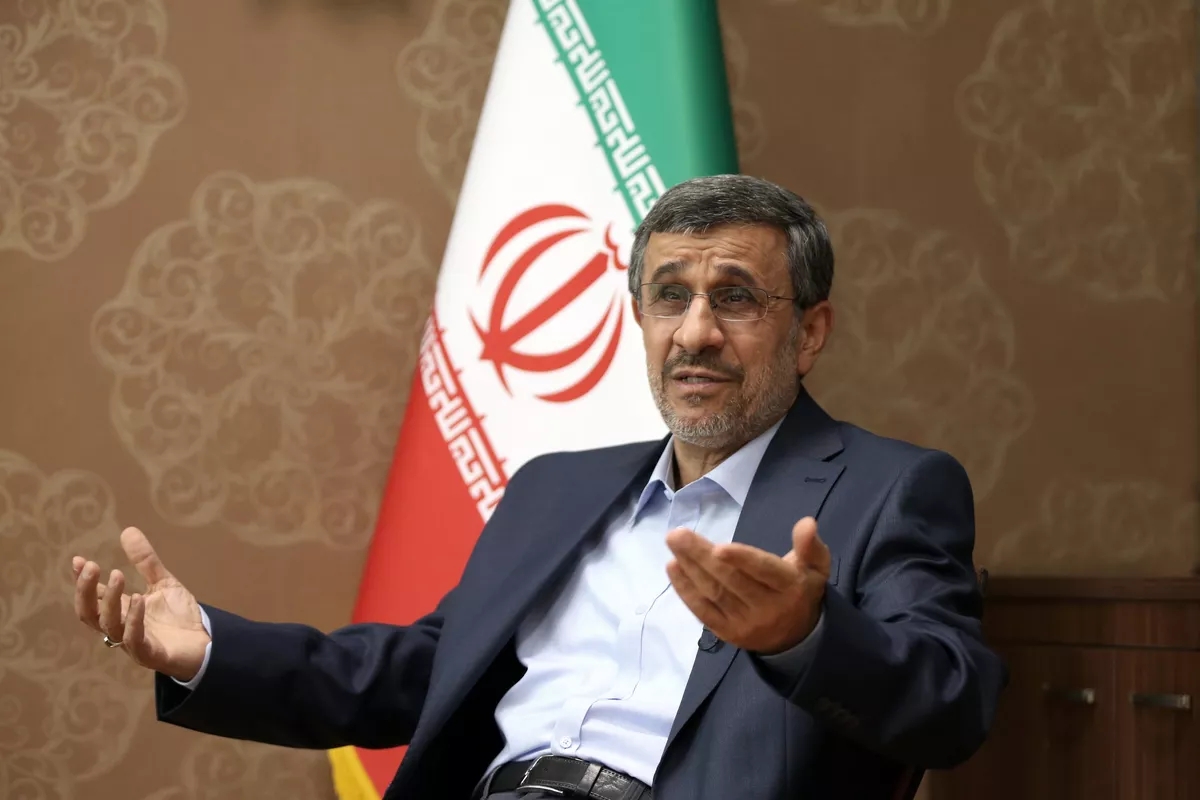
Gambiaj.com – (TEHRAN, Iran) – Iranian media on Sunday afternoon reported that former President Mahmoud Ahmadinejad was killed in the joint Israeli and United States strikes that have shaken the Islamic Republic.
In a brief dispatch, official Iranian agencies said Ahmadinejad died alongside several of his companions. He was reportedly “killed along with his bodyguards in a missile attack by the Zionist regime and the United States.”
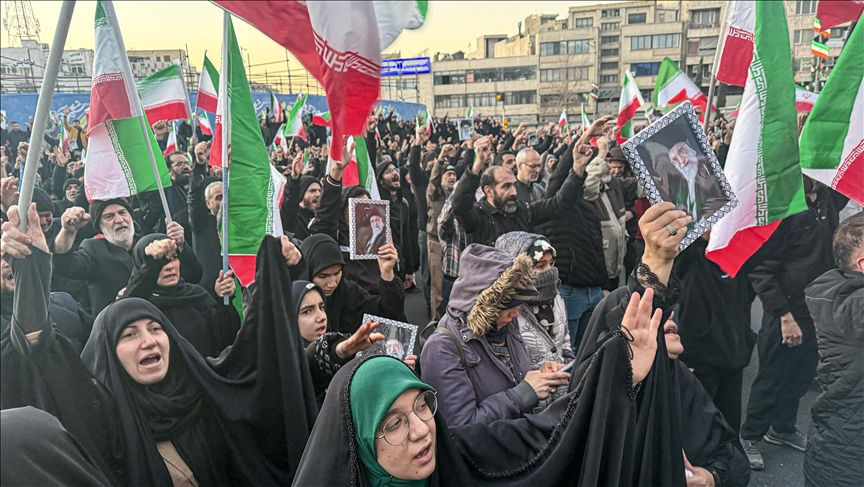
The reported killing of Ahmadinejad comes a day after Iranian state television confirmed the death of Supreme Leader Ali Khamenei, marking an unprecedented decapitation of Iran’s top political leadership.
Why Ahmadinejad Matters to The Gambia and Senegal
For Gambians and Senegalese, Ahmadinejad’s presidency carries a direct and sensitive historical relevance.
At the personal invitation of Yahya Jammeh, the Gambian president at the time, Mahmoud Ahmadinejad traveled to Banjul for three days in June 2006.
Four years later, diplomatic relations between Iran and both The Gambia and Senegal were severely strained over a major arms trafficking scandal.
In late 2010, Nigerian authorities intercepted 13 containers of Iranian-made weapons at the port of Apapa that were destined for Kanilai Farms in The Gambia.
Subsequent investigations linked some of the weapons to the separatist rebellion in Senegal’s Casamance region, where the Mouvement des forces démocratiques de Casamance (MFDC) has waged a long-running insurgency.
Senegal’s military command established what it described as a direct connection between the seized Iranian arms and the deaths of Senegalese soldiers in violent clashes with MFDC rebels.
One of the most notable incidents during that period was the ambush killing of 14 Senegalese soldiers in Kabeumb, a village in southern Senegal not far from The Gambia’s Foni region.
Subsequent investigations indicated that the rockets used in the attack were Iranian-made and were allegedly traced to consignments earlier delivered to Kanilai Farms, a company owned by then Gambian president Yahya Jammeh.
As the controversy deepened, mounting reports increasingly implicated Jammeh, alleging that the arms shipments transited through his business entity.
At one point, approximately 80 containers of weapons reportedly destined for Kanilai Farms remained impounded at Nigeria’s Apapa Port as diplomatic tensions escalated.
Nigerian authorities subsequently arrested and charged several Iranian nationals, including diplomats based in Abuja, in connection with the arms trafficking scandal.
The episode triggered one of the most serious diplomatic crises in recent West African history.
In February 2011, Senegal severed diplomatic ties with Tehran and recalled its ambassador. Banjul also expelled Iran’s ambassador amid mounting regional pressure.
Dakar denounced what it termed Iran’s “chequebook diplomacy,” accusing Tehran of attempting to ease tensions through financial inducements, an allegation Iran denied.
The crisis underscored the fragile security dynamics of Senegambia, particularly the sensitivity of the Casamance conflict, and highlighted how Middle Eastern rivalries can spill into West African geopolitics.
A Controversial Global Figure
Ahmadinejad served as Iran’s president from 2005 to 2013 and became the public face of Tehran’s nuclear ambitions and its defiance of Western powers.
During his tenure, he frequently issued harsh rhetoric against Israel and questioned the Holocaust, drawing international condemnation. He also sparked controversy in 2007 during an appearance at Columbia University, where he claimed there were no homosexuals in Iran, a statement that drew global ridicule.
His re-election in 2009 triggered mass protests across Iran, known as the Green Movement, after opposition groups alleged electoral fraud. The demonstrations were met with a violent crackdown, leaving dozens dead and hundreds imprisoned.
Although he left office in 2013 weakened politically, Ahmadinejad retained support among lower-income Iranians due to populist housing and development programs.
In later years, he publicly criticized corruption within the Iranian establishment and even called for limiting the powers of Khamenei. However, the powerful Guardian Council disqualified his presidential bids in 2017, 2021, and 2024.
A Legacy of Confrontation
Ahmadinejad’s reported death symbolically closes a chapter associated with one of Iran’s most confrontational periods, both internationally and, for West Africa, regionally.
His presidency coincided with Iran’s deeper outreach into Africa, including economic, religious, and military engagement. For The Gambia and Senegal, that outreach culminated in a diplomatic rupture whose aftershocks reshaped regional security calculations.
With both Ahmadinejad and Khamenei now reportedly killed, Iran faces an uncertain political transition. For West African observers, especially in Banjul and Dakar, memories of the 2010–2011 arms scandal remain a reminder that global power struggles can have direct consequences for local stability.
One Response
“Global power struggles can have direct consequences for local stability”. Word!