


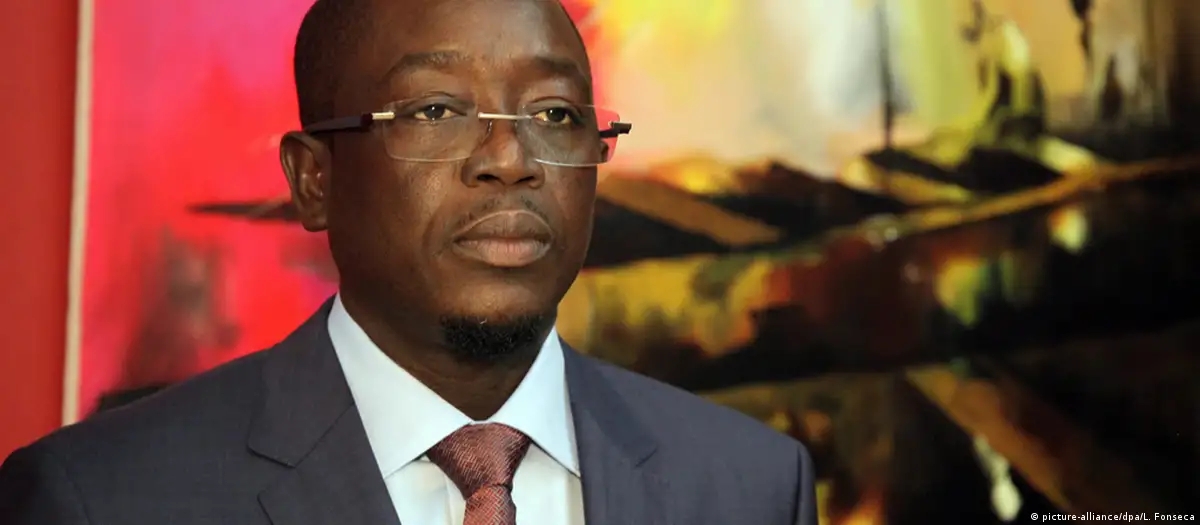
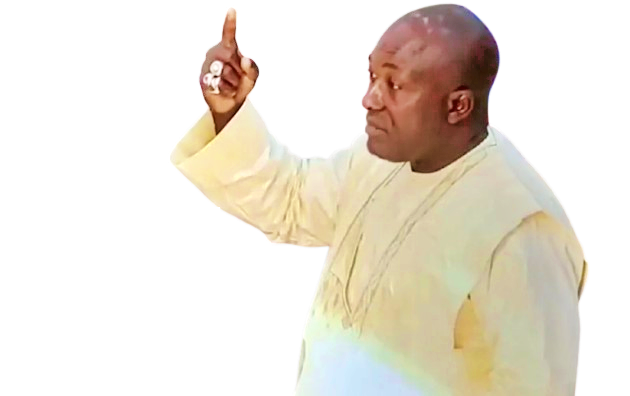
Gambiaj.com – (BISSAU, Guinea-Bissau) – Former prime minister and presidential candidate Baciro Djá delivered his first public remarks on the November 26 coup in Guinea-Bissau on Sunday, ending months of silence he said was intended to preserve national stability, only to be briefly detained by security forces shortly after the speech.
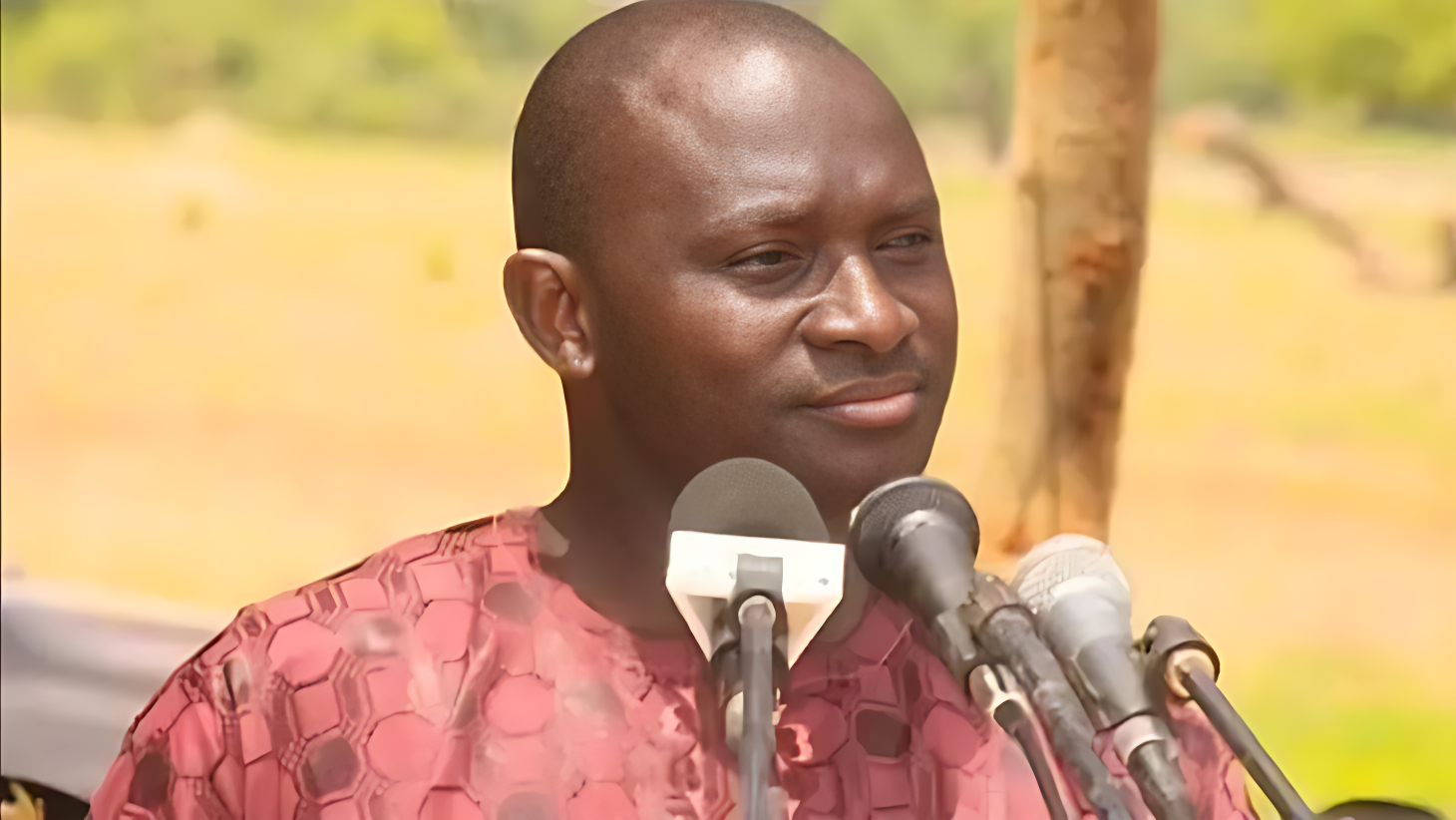
Djá, speaking at a press conference in the capital Bissau, addressed for the first time the events surrounding the military takeover that removed President Umaro Sissoco Embaló and suspended the country’s electoral process.
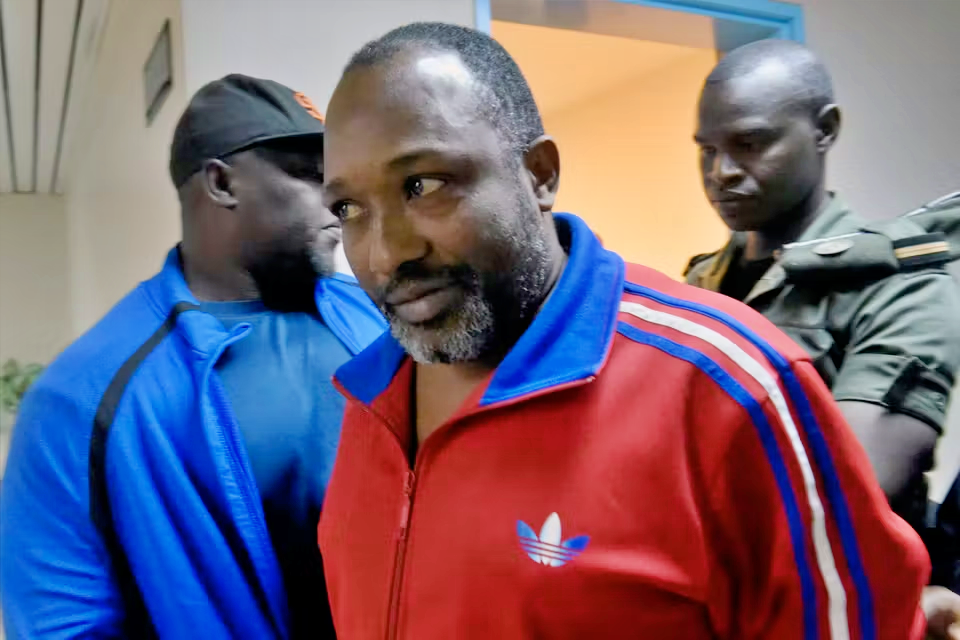
Moments after concluding his remarks, officers from the Public Order Police (POP) detained the former prime minister and transported him to Bissau’s second police station, where he remained for several hours before being released the same day, according to sources familiar with the incident.
Silence “to preserve peace and stability.”
Sunday’s appearance marked Djá’s first public intervention since the High Military Command assumed power after the coup.
The former prime minister said he had deliberately avoided public statements for months in order to prevent further political tensions in the fragile West African nation.
“We chose to remain silent to preserve peace and stability in the country,” Djá told reporters, adding that the people of Guinea-Bissau “deserve peace, dignity and respect.”
The press conference also coincided with the eighth anniversary of Djá’s political party, the National Salvation Patriotic Front (FREPASNA).
Despite the long silence, Djá said he felt compelled to address competing narratives about the events of November 26.
“We’ve heard various narratives. Some say it was an attempted coup d’état, and others say it was a coup,” he said. “These narratives are constructed by people who are not experts.”
Accusations against Embaló’s coalition
In his remarks, Djá suggested that the political coalition that backed Embaló, the Republican Platform, could not be entirely separated from the events that led to the overthrow of the president.
“We did not participate in either an attempted coup or a coup,” he said. “We didn’t say that the Platform carried out the coup, but it is not far removed from those who did, because some of its members are now in military command and in the government.”
The statement marked one of the most direct criticisms yet from a senior political figure regarding the political actors surrounding the coup.
Djá previously belonged to the API-Cabas Garandi political platform but contested the last presidential election independently under FREPASNA after disagreements within the coalition over the selection of a single candidate.
Junta sensitivity to coup debate
Since January, the High Military Command has banned press conferences and unauthorized public statements, citing security concerns and the need to maintain public order.
Political analyst Fransual Dias said Djá’s brief detention reflects the military authorities’ sensitivity about public discussion of the coup.
“The High Command continues to fear that people will speak publicly about the matter,” Dias said in comments to media. “This shows that Guineans will have to continue fighting to remove the High Military Command from the sphere of power.”
Dias added that Djá’s comments also revive questions about the legitimacy of the coup and the potential role of political actors linked to the Republican Platform.
Calls for dialogue
Despite the tense reaction from authorities, Baciro Djá used his speech to call for dialogue and democratic guarantees in Guinea-Bissau.
“We advocate democracy, freedom of expression, and freedom of the press,” he said. “We must find a solution through dialogue and ensure that no one seeks to guide Guinea-Bissau from the outside.”
During the press conference, Djá also referenced the political relevance of opposition figure Domingos Simões Pereira, stressing his importance in the country’s political landscape.
Djá’s brief detention and release underscore the fragile political climate in Guinea-Bissau months after the coup, as debate over the legitimacy of the military takeover and the future of the suspended electoral process continues.


Leave a Reply