


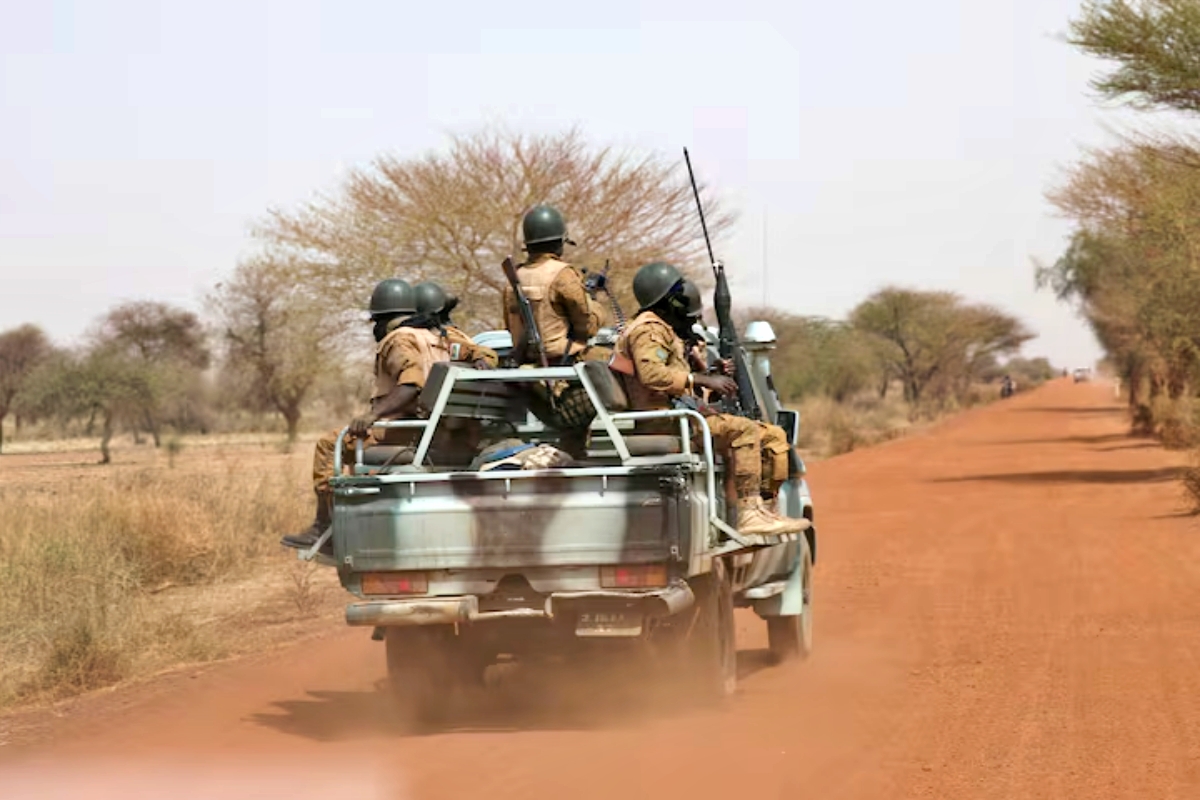
Gambiaj.com – (NEW YORK, United States) – Government and allied forces in Burkina Faso have killed more than twice as many civilians as Islamist militant groups since 2023, according to a new report by Human Rights Watch, raising fresh concerns about the conduct of counterinsurgency operations across the Sahel.
The report, published Thursday, documents a pattern of abuses that researchers say risks fueling recruitment by extremist groups and undermining regional efforts to combat insurgency.
Data cited in the report, supported by figures from the conflict monitoring group Armed Conflict Location & Event Data (ACLED), shows that government forces and their allied militias in Burkina Faso were responsible for significantly more civilian deaths than jihadist groups over the past two years.
According to the HRW tally covering January 2023 to August 2025, at least 1,837 civilians were killed in 57 documented incidents. Of those, 33 incidents, resulting in 1,255 civilian deaths, were attributed to government forces and their allies.
The pattern is also reflected in neighbouring Mali, where government troops and their partners have killed three to four times as many civilians as jihadist groups during the same period, ACLED data indicates.
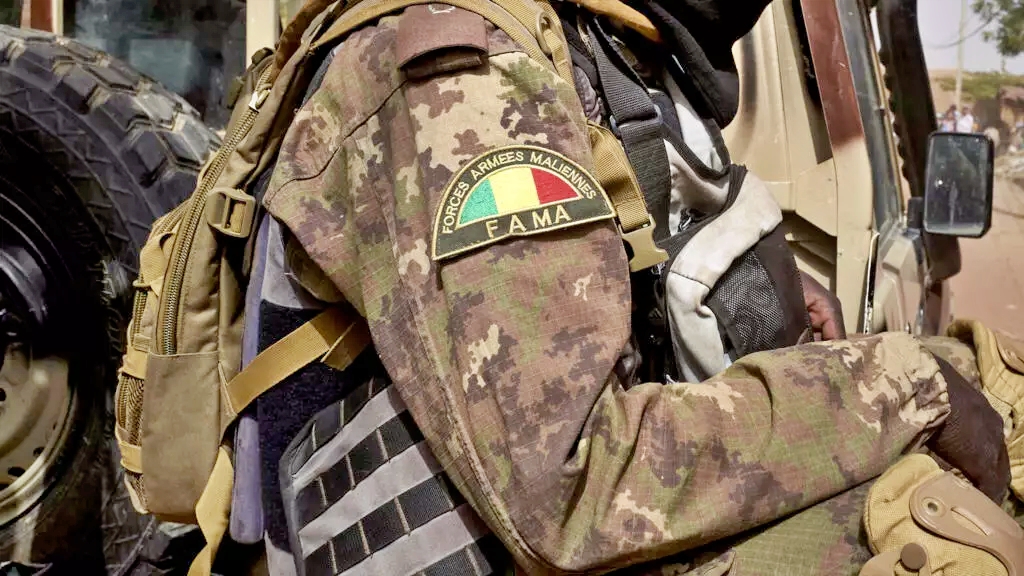
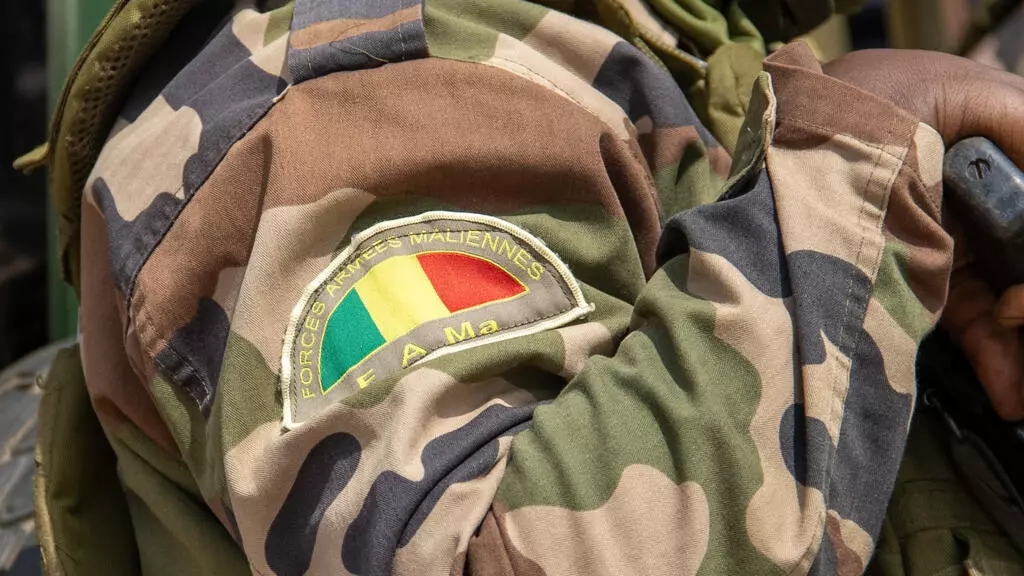
Both Burkina Faso and Mali are governed by military-led authorities that came to power following coups, and both countries have expelled Western military forces while seeking alternative security partnerships.
Violence linked to jihadist groups across Burkina Faso, Mali, and Niger has surged since 2021, turning the Sahel into one of the world’s most active conflict zones.
Researchers warn that widespread civilian casualties caused by state forces could inadvertently strengthen militant organizations such as Jama’at Nusrat al‑Islam wal‑Muslimin (JNIM), an al-Qaeda-linked group operating across the region.
Ilaria Allegrozzi, senior Sahel researcher at Human Rights Watch, said Burkinabe security forces and pro-government militias “appear to be more brutal and violent” than some of the militant groups they are fighting.
She noted that the conduct of government troops reflects a broader regional trend raising concerns about military discipline and the effectiveness of current counterinsurgency strategies.
Neither the government of Mali nor Burkina Faso responded to requests for comment on the allegations. Both countries have previously rejected accusations of extrajudicial killings, insisting that their forces are targeting terrorists.
ACLED data suggests the trend continued in 2025. In Burkina Faso alone, the military and pro-government Homeland Defense Volunteers militia killed 523 civilians, compared to 339 civilians killed by jihadist groups including JNIM and Islamic State Sahel Province.
In Mali, government forces operating alongside Russian paramilitary groups such as Wagner Group and Africa Corps were linked to 918 civilian deaths in 2025, while jihadist groups were responsible for 232.
Human Rights Watch based its findings on 450 interviews as well as verified social media content and satellite imagery, noting that the incidents documented likely represent only a fraction of the total casualties.
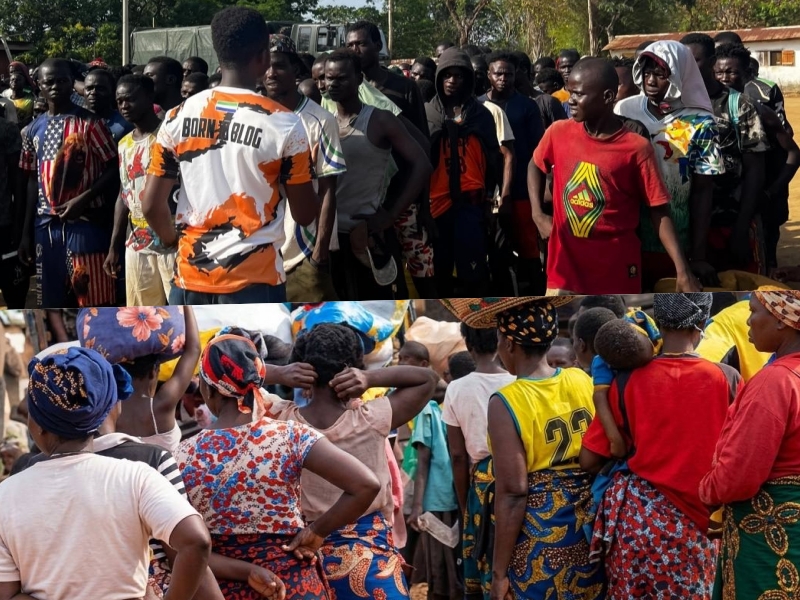
One resident of eastern Burkina Faso told Reuters that during a convoy escorted by soldiers in July 2024, troops allegedly attacked the village of Sakoani near the town of Kantchari.
“When the army arrived in this village and saw that it was populated, they surrounded the entire village and exterminated everything—every living being,” the witness said, estimating that at least 100 bodies were visible after the assault.
The report also highlights a sharp increase in drone warfare in Mali. According to ACLED, drone or airstrikes carried out by Malian forces rose from four incidents in 2022 to 66 incidents in 2025, resulting in 155 civilian deaths.
One of the deadliest attacks occurred in July 2024 when government drone strikes reportedly killed at least 50 civilians at the Inatiyara artisanal gold mining site in northern Mali.
Despite these findings, analysts say jihadist groups continue to commit grave abuses. HRW documented incidents including the killing of at least 133 civilians in Barsalogho, Burkina Faso, in August 2024 and 19 civilians in Diallassagou, Mali, in May 2024.
However, analysts warn that heavy-handed state tactics risk driving civilians into areas controlled by militants.
Heni Nsaibia, ACLED’s senior analyst for West Africa, said that as governments increasingly rely on retaliation and collective punishment, civilians are becoming trapped in jihadist-held territories where groups like JNIM are consolidating their influence through coercion and engagement with local communities.






Leave a Reply