


Gambiaj.com – (KANIFING, The Gambia) – Transport along the Westfield–Bakau route came to a halt on Tuesday after commercial drivers staged a strike in protest against rising fuel prices, leaving dozens of commuters stranded and triggering tension between drivers and passengers.
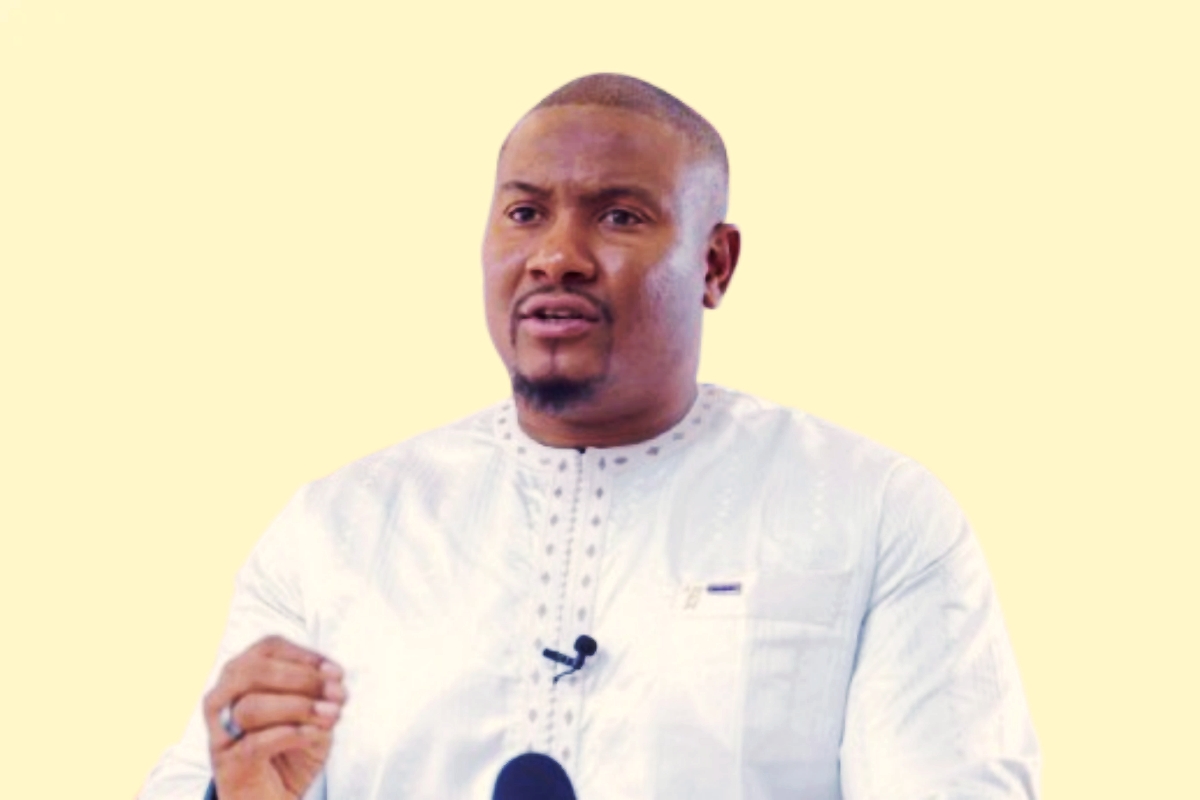
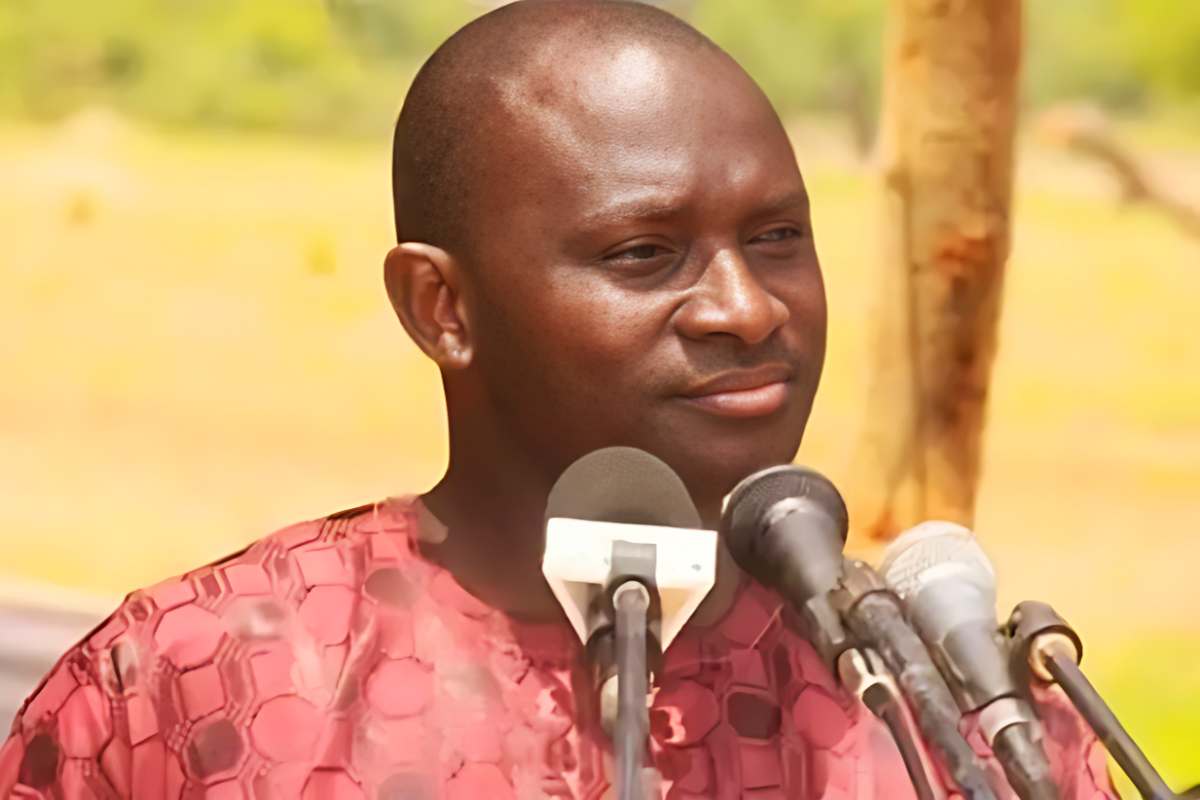
Kanifing Municipal Council Mayor Talib Bensouda said the situation underscores the need for forward-looking governance.
“The Gambia depends heavily on imported fuel, and when global prices rise, local transport costs go up immediately,” he said.
“Governance must anticipate shocks, not react to crises,” he added, warning that the current tensions might have been mitigated with better planning and stronger policy buffers.
Bensouda also called for calm, noting that drivers should not be seen as adversaries but as participants in a strained transport system.
Meanwhile, at Westfield, groups of drivers gathered in clusters, some seated on car bonnets, others engaged in animated discussions, while frustrated passengers searched for alternative transport or began long walks to their destinations.
The standoff at Westfield also reflects broader structural challenges in the country’s transport sector.
The protest follows a sharp increase in fuel prices announced recently. Official figures show that diesel rose from D84.60 to D95 per litre, representing an increase of more than 12 percent, while petrol climbed to D98 per litre. Drivers say the sudden hike has made it increasingly difficult to operate without incurring losses.
In response to the higher costs, many drivers have adjusted transport fares from D12 to D15 along the route. The move, however, has sparked disputes with some passengers.
According to drivers, several commuters lodged complaints with the police, resulting in the impounding of some vehicles and further escalating tensions.
Samba Njie, a driver operating on the Westfield–Bakau route, said the price increase has had an immediate impact on their livelihoods.
“We cannot continue like this. Before, we were managing with D84. Now it is D95. Everything has changed overnight,” he said.
“That is what pushed us to this point. You increase fuel, we adjust fares a little, then our cars are taken. How do we survive? We are not fighting the people; we are trying to survive.”
At the Bakau traffic lights, another driver, Lamin Sanneh, warned that the strike could continue if authorities fail to address their concerns.
“They say the government has subsidized the fuel, but we are still buying it at D95. We are the ones on the road every day. We know what it costs,” he said.
The government, through the Ministry of Petroleum, Energy, and Mines, has defended the price increase, saying it introduced a subsidy of more than D316 million to cushion the impact of global oil price shocks. Officials say that without the intervention, diesel prices could have climbed as high as D124 per liter, while petrol would have exceeded D100.
Despite the subsidy, many drivers argue that the current measures remain insufficient to offset their operating costs.
Passengers, while expressing frustration over the sudden fare increase and lack of available transport, have also shown some understanding of the drivers’ predicament.
As the strike continues, calls are mounting for urgent dialogue between the government and transport unions. Stakeholders are urging authorities to establish clear fare guidelines, consider temporary support for drivers, and accelerate long-term investment in affordable public transport solutions.






Leave a Reply