


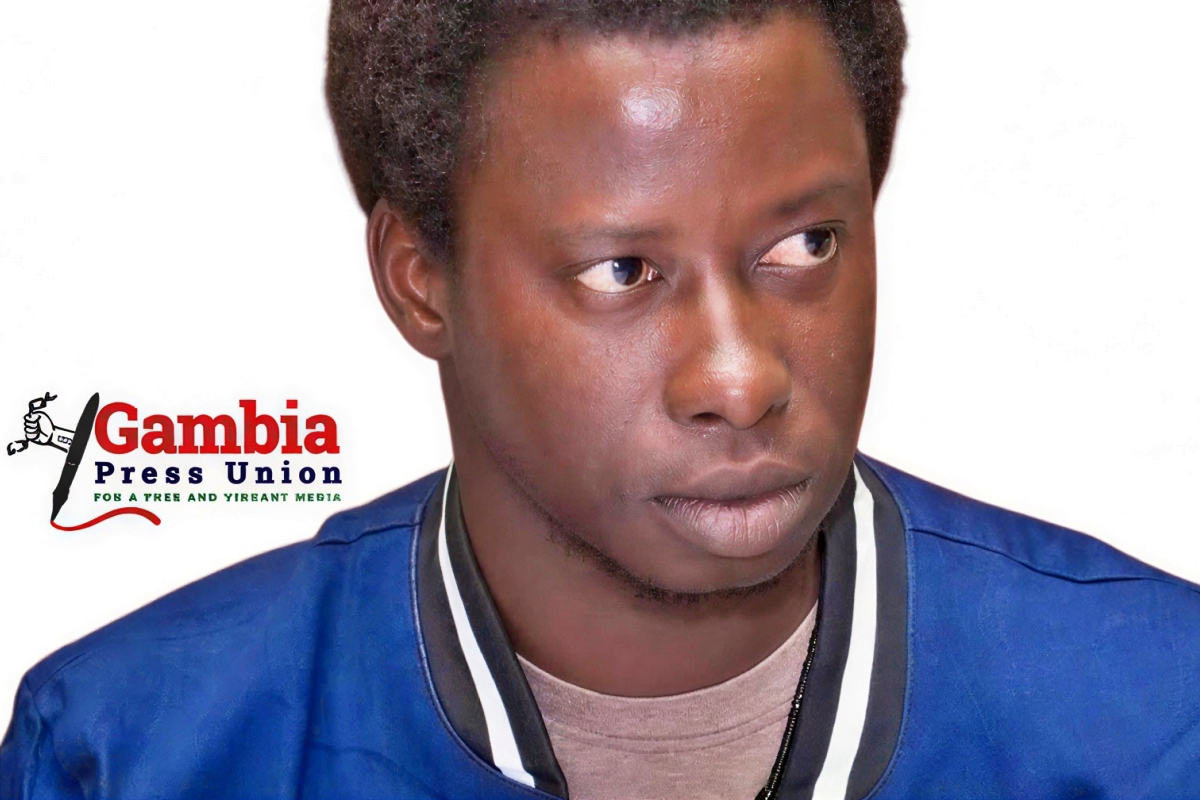
Gambiaj.com – (BANJUL, The Gambia) – Media organizations and civil society groups in The Gambia have mounted a strong pushback against a government proposal that would require journalists, online media outlets, and influential social media users to register with the state, warning the plan could undermine press freedom and grant authorities sweeping powers to control the profession.
In a resolution adopted after an emergency meeting on April 8 at the headquarters of the Gambia Press Union (GPU) in Fajara, stakeholders across the media sector said they “totally reject” the proposed regulatory framework being advanced by the Ministry of Information, Media and Broadcasting Services and the Public Utilities Regulatory Authority (PURA).
The proposed regulations would introduce a system requiring journalists, online media platforms, and certain social media users to register with PURA, while also empowering the authority to moderate online content. Media stakeholders argue the measures would effectively allow the state to determine who is allowed to practice journalism in the country.
GPU Secretary General Modou S. Joof said the proposal would grant the regulator powers that go beyond its legal mandate.
“The regulations give PURA the power to register, suspend registration, or revoke registration of journalists and influential social media users,” Joof said. “The proposed regulations on journalists and social media users’ registration and online media licensing fall outside PURA’s statutory powers and therefore constitute an unlawful exercise of administrative authority.”
According to the resolution endorsed by 16 media professional bodies, academic institutions, and civil society organizations, the proposed framework risks reversing progress made in press freedom and freedom of expression since the democratic transition in The Gambia.
Stakeholders warned that the measures could encourage state censorship, allow government interference in editorial independence, and introduce restrictions on online speech.
The president of the GPU, Isatou Keita, said the media community would not participate in government consultations on the proposed rules, arguing that doing so would legitimize what they describe as a state-controlled accreditation system.
“We hereby totally reject the proposal,” Keita said. “We cannot participate in the proposed consultations on the Broadcasting and Online Content Regulations 2026, the Broadcasting and Online Content Licensing, Registration and Authorization Guidelines 2026, and the Journalists Registration Guidelines 2026, since our participation would be seen to legitimize the proposed state-controlled system.”
The resolution also calls on journalists, media houses, and social media users not to comply with any registration requirement imposed by PURA, warning that such a system could allow the state to arbitrarily strip individuals of their constitutional right to practice journalism or freely express themselves online.
Media and civil society groups further indicated they are prepared to challenge the regulations in domestic and regional courts if they are adopted and enforced.
As an alternative, the stakeholders urged the government to strengthen the Media Council of The Gambia, a self-regulatory body established by the GPU to promote professional standards in line with the African Commission on Human and Peoples’ Rights’ Declaration of Principles on Freedom of Expression and Access to Information in Africa.
The declaration encourages media self-regulation and calls for independent regulatory authorities that are protected from political or executive interference.
Stakeholders argued that granting extensive oversight powers to a state-controlled institution like PURA would be inconsistent with those principles and could expose the media sector to political influence.
They called on the government to immediately abandon plans to introduce a state-controlled system for registering journalists, online media platforms, and social media users, warning that such a move would represent a significant setback for press freedom in The Gambia.





Leave a Reply