


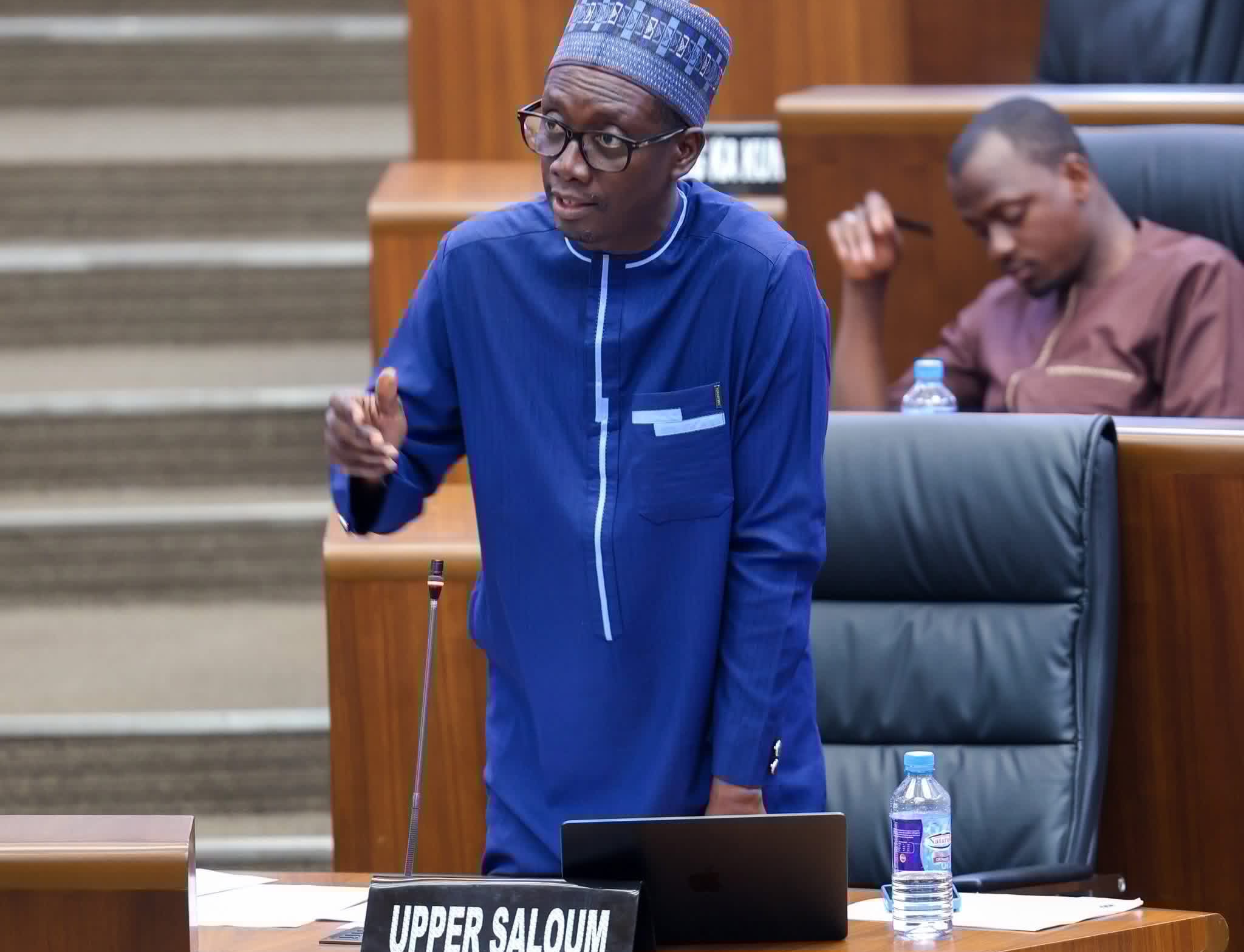
Gambiaj.com – (BANJUL, The Gambia) – The National Assembly Member (NAM) for Upper Saloum, Hon. Alagie Mbow, has defended the government’s economic performance, pointing to improvements in key indicators such as inflation, revenue generation, and domestic production during deliberations on the President’s State of the Nation Address (SONA).
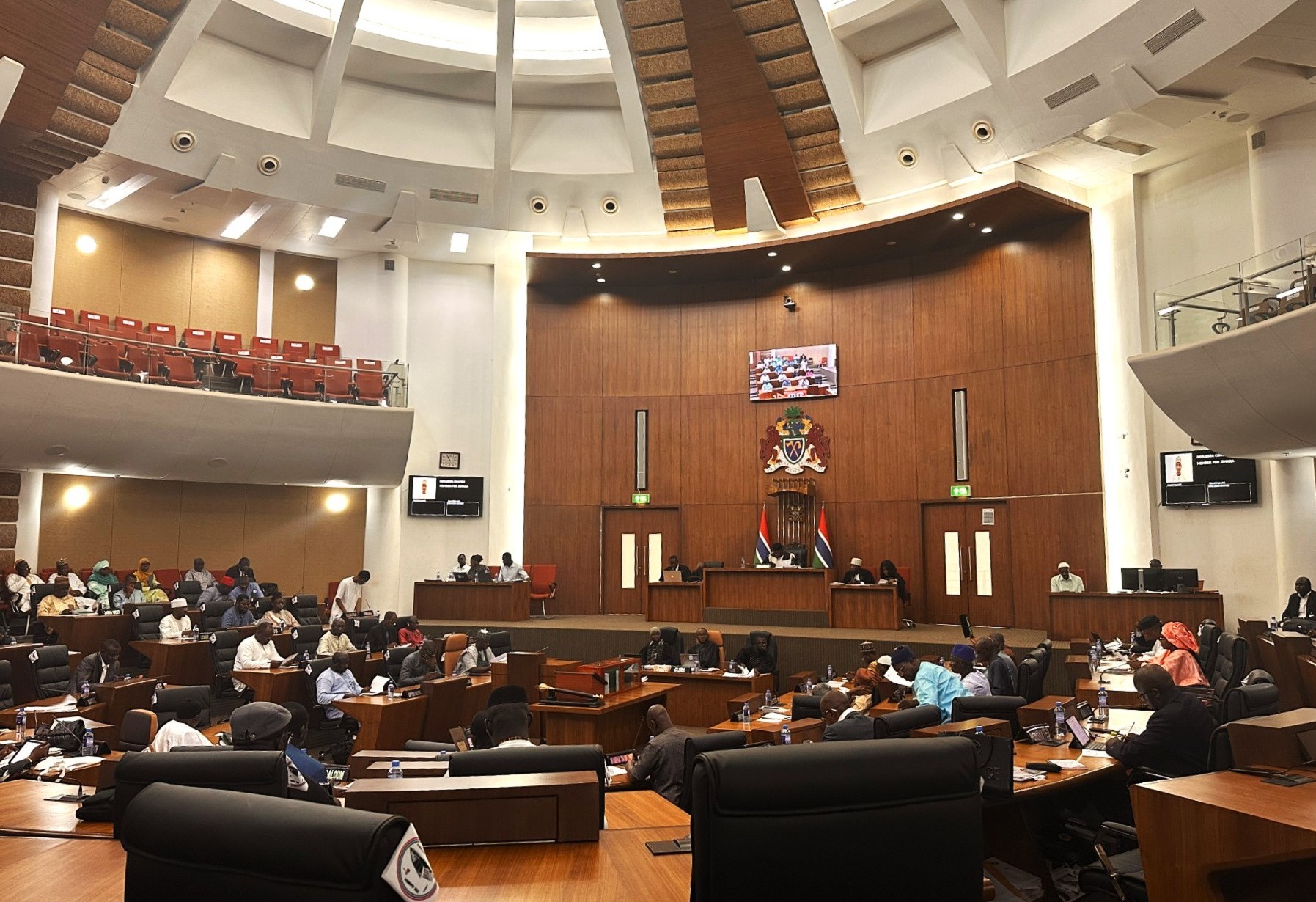
Speaking on the floor of the National Assembly, Hon. Mbow argued that The Gambia’s economic performance must be assessed within a broader regional and global context, noting that international economic pressures have had ripple effects across many countries.
He cited a marginal increase in gross domestic product (GDP), which he said rose from 5.8 percent to 5.9 percent, describing the change as evidence of steady economic growth. More significantly, he highlighted a sharp drop in inflation, which fell from 17.3 percent in 2023 to 10.2 percent, before declining further to 6.6 percent by December 2025.
According to the lawmaker, the reduction in inflation is beginning to ease the cost of living, with prices of essential commodities such as rice and cooking oil showing signs of decline.
“If we speak the truth, prices of basic commodities have gone down, and that is reflected in the drop from double-digit to single-digit inflation,” he told fellow lawmakers.
Hon. Mbow attributed these developments to deliberate government policies, particularly initiatives by the Ministries of Trade and Agriculture aimed at boosting local production. He noted that increased domestic output of poultry products, including chicken and eggs, has helped reduce the country’s dependence on imports and contributed to price stability.
On government finances, the Upper Saloum NAM highlighted a significant rise in revenue collection, which he said increased from about D8 billion in 2015 to D50 billion in 2025. He argued that the growth was not driven by widespread tax increases but rather by improved efficiency, stronger enforcement mechanisms, and the adoption of technology in revenue administration.
He added that taxes on products such as alcohol, cigarettes, and betting are largely intended to discourage consumption rather than serve as major sources of government revenue.
Hon. Mbow also addressed concerns about the country’s rising debt burden, explaining that currency depreciation has significantly increased the cost of servicing external loans.
Debts contracted in foreign currencies, he said, have become more expensive as the dalasi has weakened over time.
To mitigate such risks, he called for greater regional and continental cooperation, including consideration of a common African currency that could reduce exposure to foreign exchange fluctuations.
The lawmaker further stated that improved revenue performance has enabled the government to increase public sector salaries significantly since 2017, with some civil servants receiving increments of more than 200 percent.
He concluded by urging fellow lawmakers to remain objective in their assessment of national issues and to avoid distorting facts, stressing the importance of truthfulness in public discourse.







Leave a Reply