


Gambiaj.com – (BANJUL, The Gambia) – For The Gambia, April 10, 2000, is not just a date. It is a national memory that refuses to fade, returning in fragments, in silence, in faces remembered, and in questions that have no easy answers.
The events began in Brikama with the alleged assault of a 15-year-old student, Ebrima Barry of Forster’s Technical High School.
What might have remained a local grievance quickly grew. News spread, anger deepened, and students across the country found a common voice. By April 10, that voice had taken to the streets, and what began as a protest became, within hours, a national tragedy.
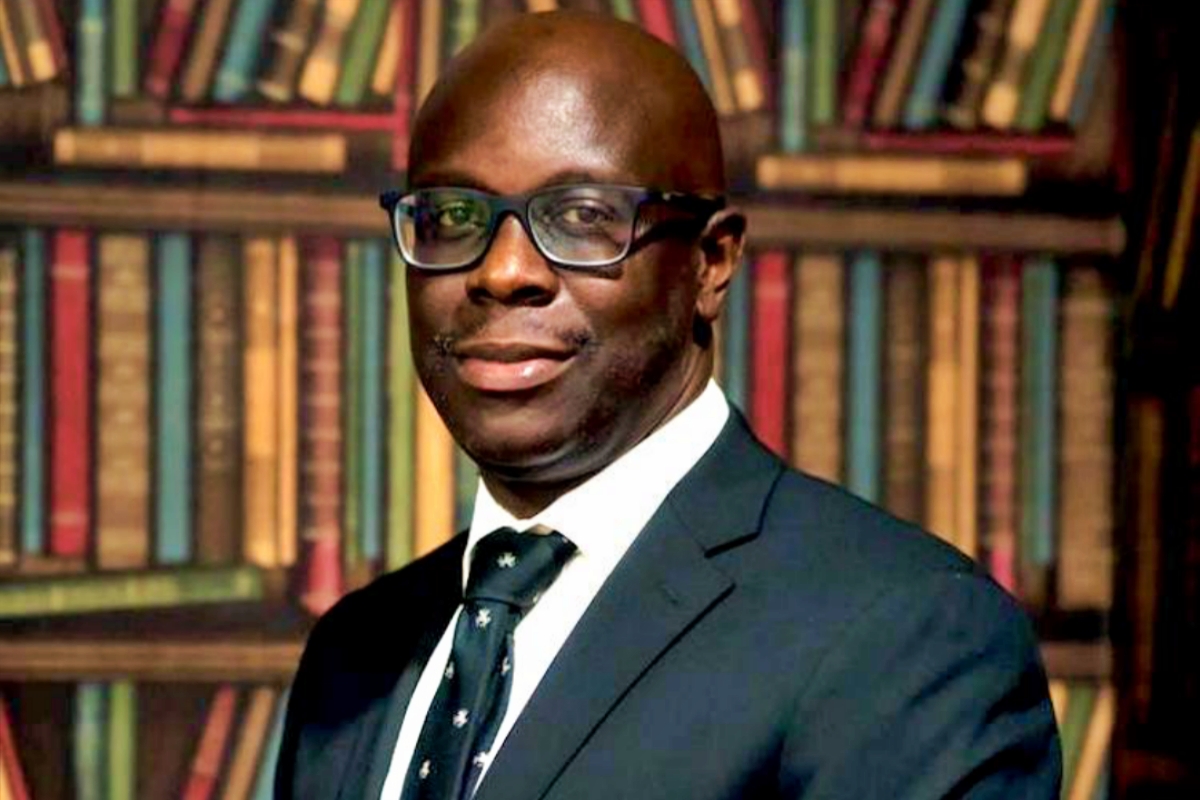
At the time, I was Permanent Secretary at the Ministry of Health. That morning began like any other, but it did not remain so.
Abi Khan, Head of the District Health Team for Region 1, arrived at the Ministry. She had driven in herself. There was urgency in her voice, but also clarity.
Students were on the streets, and the situation was deteriorating. Even as we spoke, the information changed. Shots were being fired.
There are moments in public service when instinct takes over, when decisions are made out of necessity. This was one of them. What followed was not the effort of any one individual but of a system and its people responding under strain.
Instructions were issued immediately to Dr. Pamela Esangbedo, Chief Medical Director of Royal Victoria Hospital to place the hospital on full emergency mode. Ambulances were mobilized by Omar Jah.
Senior doctors Kebba Manneh and Reuben Mboge were dispatched to Serrekunda Health Centre to oversee operations, while essential medicines and supplies were secured by Chief Pharmacist Dr. Mariatou Tala Jallow.
At the same time, the Minister of Health, Abdoulie Sallah, was summoned to State House by the Vice President, Isatou Njie-Saidy, for an emergency meeting. Within minutes, the system had shifted into crisis mode.
Throughout the day, we provided updates to State House. At one point, we were asked whether any foreigners or civilians were among the dead or wounded.
Our findings were clear. The overwhelming majority were students. Tragically, a journalist and Red Cross volunteer, Omar Barrow, and a three-year-old child were also among the dead, bringing the total to sixteen.
In the midst of speculation, our position remained unchanged. We could only report what we knew.
Movement became unavoidable. We moved between the Ministry, the hospital, and other locations to ensure coordination. During this time, I received a call from my sister, Juka. She was concerned about my movements while bullets were being fired. At the time, there was no space to pause. Later, I understood. Danger in such moments is not selective.
Then the ambulances began to arrive, one after another. Their sound became constant.
Inside the hospital, the response was immediate. Doctors, nurses, and support staff moved with discipline and purpose. There was no panic, only urgency guided by training and duty. Among them were professionals such as Dr. Omar Sam and others whose names may not be recorded but whose actions that day deserve to be remembered.
One ambulance brought in Omar Barrow. He had gone out to help others. I was present when he arrived. The medical team worked quickly and without hesitation. Around them, colleagues and onlookers stood in quiet tension. The scene was stark, a reflection of the violence outside. There was only focus and effort.
He died.
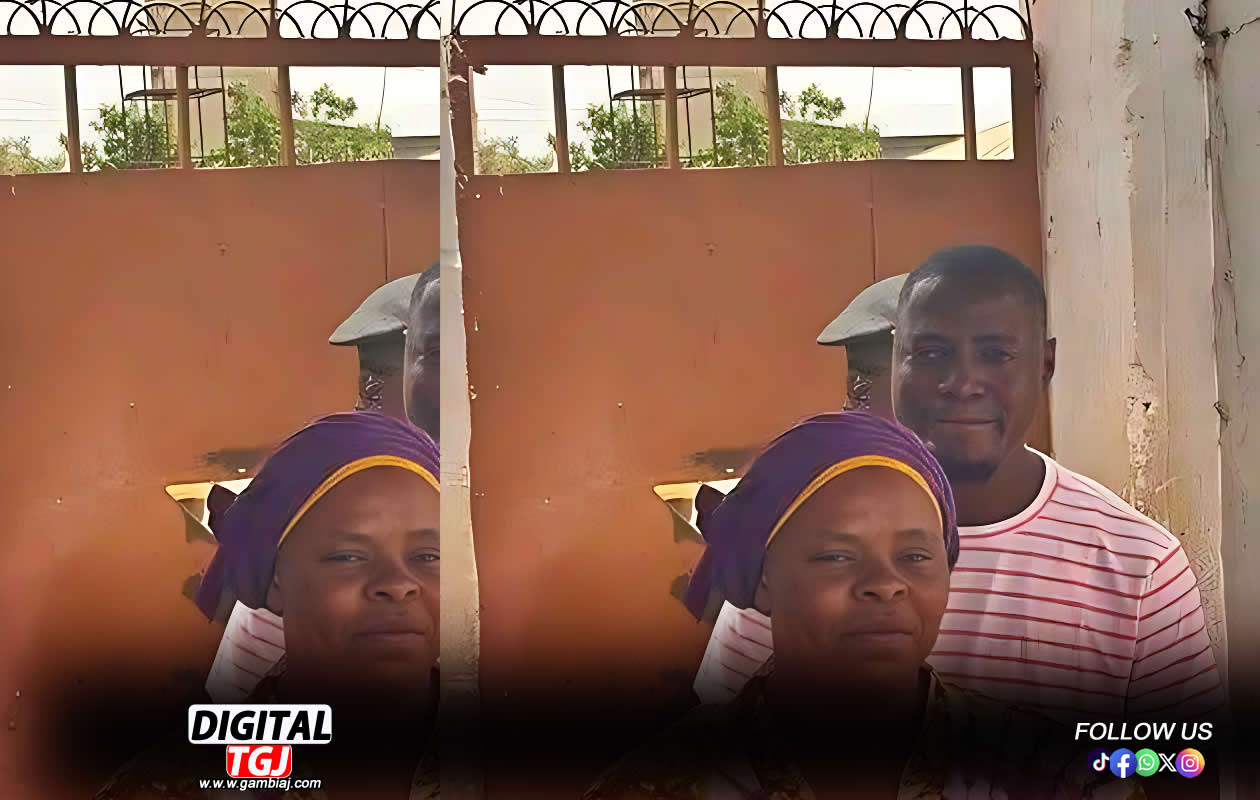
Another case that remains with me is Yusupha Mbye, brought in with a severe gunshot wound. The medical team worked tirelessly to stabilize him.
I recall in particular the efforts of Dr. Omar Sam and Dr. Yankuba Kassama. He survived, but the injury left lasting damage. What I witnessed was not only a young man fighting for his life but also the beginning of a life that would never be the same.
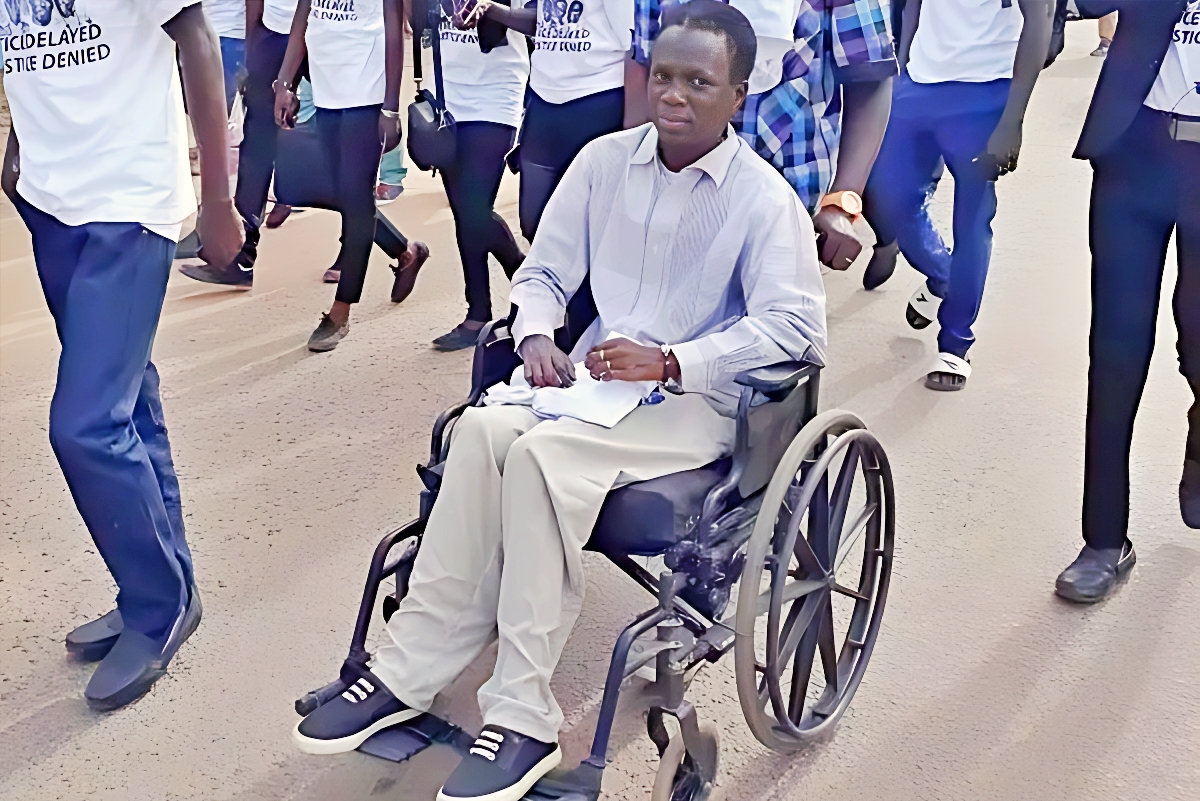
April 10, 2000 changed Yusupha Mbye’s life forever
Given the scale of the emergency, we quickly ran out of blood bags. The WHO Banjul Office was contacted immediately for support, and an emergency request was submitted for approval by the WHO Regional Director.
At the same time, WHO Dakar was mobilized to procure supplies while we awaited approval. Thanks to the swift action and leadership of the late Dr. Ebraima Malick Samba, approval was received almost immediately.
Ambassador Ebou Ndure, who was a member of staff at the WHO Dakar Office, along with other staff there, worked urgently to process and transport the supplies to Barra. From there, the late Musa Saine ensured they were delivered by canoe to the Central Medical Stores in Banjul. The operation reflected remarkable coordination and commitment under immense pressure.
As the hours passed and the immediate pressure began to ease, another responsibility emerged. The dead were taken to the mortuary, where the work continued in a different form.
Under the steady hand of Dr. Omar Sam, detailed autopsies were conducted. Each case was carefully examined and documented. These were not just procedures. They were part of establishing the truth.
The reports were shared with the Minister of Health, the Director of Health Services, the Vice President, and myself. At the Ministry of Health, we began preparing for the Coroner’s Inquest.
In moments like these, the role of the Ministry does not end with emergency care. It extends to documentation, accountability, and ensuring that facts are established with clarity.
By evening, the pace began to slow. What replaced it was heavier. The wards grew quieter. Families sat close to their loved ones. Some spoke in low voices. Others did not speak at all.
We moved from bed to bed, and the faces were young. That is what stayed. They had begun the day as students. By evening, they were patients, casualties of something far beyond them.
There was no anger in those wards. Only shock. Only pain. Only the beginning of understanding. April 10 had already happened. What remained was its imprint.
This was not a natural disaster or a disease outbreak. It was a national wound. For those of us within the system, it left a question that does not easily go away.
What does it mean to serve when the system itself becomes part of the tragedy?
Years have passed, but that day has never really left. It returns in fragments: the sound of sirens, the stillness of the wards, the faces that were far too young.
Public service teaches many things, but nothing prepares you for the moment when duty and sorrow meet so completely.
Nations are often defined by their triumphs, but it is moments like these that test their soul. April 10 was such a moment.
If we are to be worthy of those who were lost, then its memory must do more than remain. It must guide. It must restrain. It must remind us, quietly but persistently, of the line that must never again be crossed.
It is a memory that does not fade and a responsibility that does not end.
April 10 is not something I simply remember.
It is a painful burden I carry.




Leave a Reply