


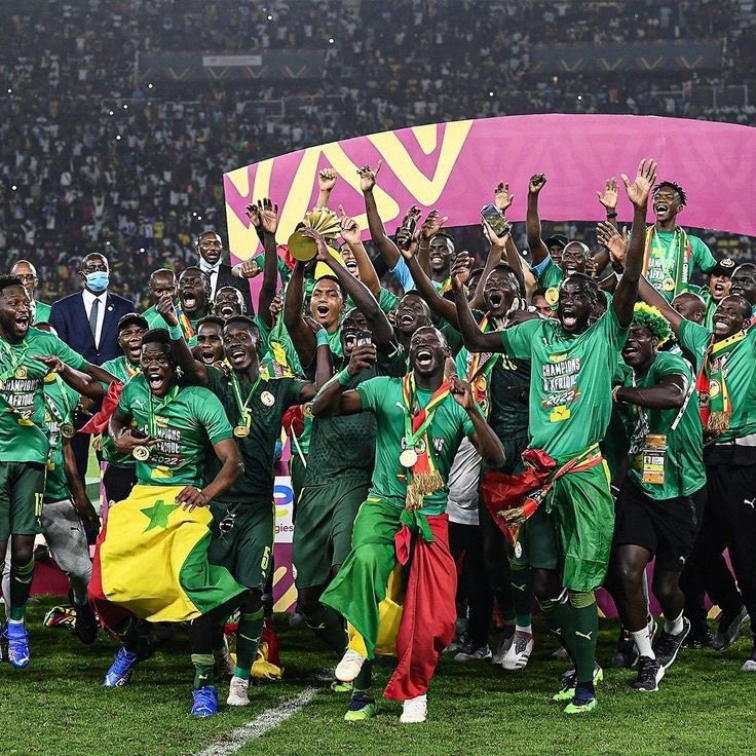
Gambiaj.com – (BANJUL, The Gambia) – The Confederation of African Football’s decision to strip Senegal of the 2025 Africa Cup of Nations title and award the championship to Morocco has triggered a growing wave of criticism from former players, football figures and public officials, many of whom argue that the result obtained on the pitch should have stood.
At the center of the backlash is the CAF appeal jury’s ruling, delivered nearly two months after the final in Rabat, a match Senegal had completed and won on the field after a chaotic interruption that saw the team briefly walk off before returning to finish the game, including extra time.
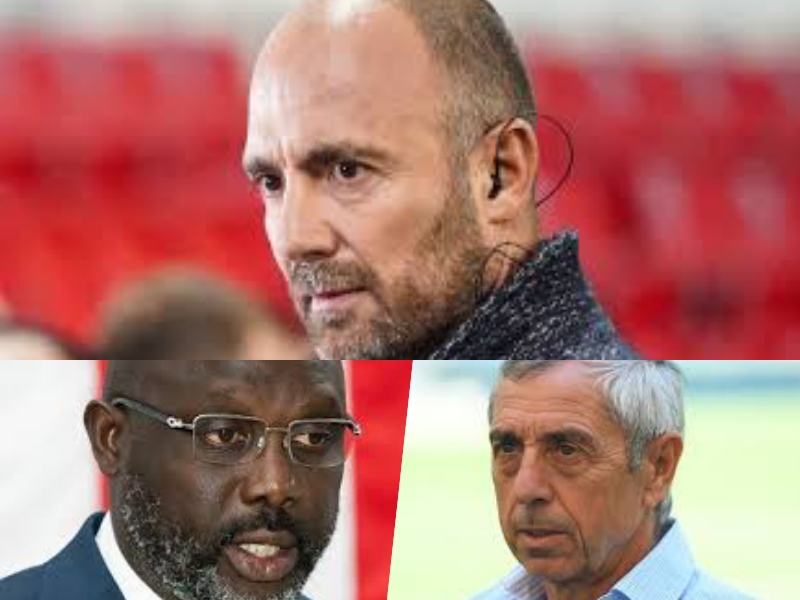
Former Senegal and Mali coach Alain Giresse said he was stunned by both the substance of the ruling and the time it took to reach it, describing the decision as “scandalous” and out of step with the reality of what unfolded during the final.
Giresse argued that while regulations exist, the circumstances of the match could not be ignored. He said Senegal’s temporary departure from the field had to be understood within the context of the tension, the disputed incidents during the game, and what he described as abnormal conditions surrounding the final.
“The match was able to finish, the Senegalese returned, they played, and they won on the pitch,” Giresse said, questioning how such a result could later be taken away. He added that the final had not unfolded under normal conditions and said it was unfair to place the blame entirely on Senegal.
He also criticised the handling of events during the match, saying the referee had been left alone in an impossible situation, and suggested that senior football authorities, including FIFA President Gianni Infantino, should not be absolved from scrutiny over how the matter evolved.
‘Football Must Be Decided on the Pitch’
Among the strongest reactions came from George Manneh Weah, the 1995 Ballon d’Or winner and former Liberian president, who issued a formal statement rejecting the CAF decision and insisting that the authority of the referee during the match should have been decisive.
Weah argued that under Law 5 of the Laws of the Game, which gives the referee full authority over decisions connected with play, the final result should have remained valid because the referee allowed the match to continue after the stoppage and the game was completed.
He noted that the referee’s report described the episode as a stoppage rather than a forfeiture and said any subsequent sanctions should have been limited to infractions committed during the game, not a reversal of the final outcome.
“Football must be decided on the pitch, not re-decided after the final whistle,” Weah said, warning that overriding an on-field result after a completed match risked setting a dangerous precedent for football governance.
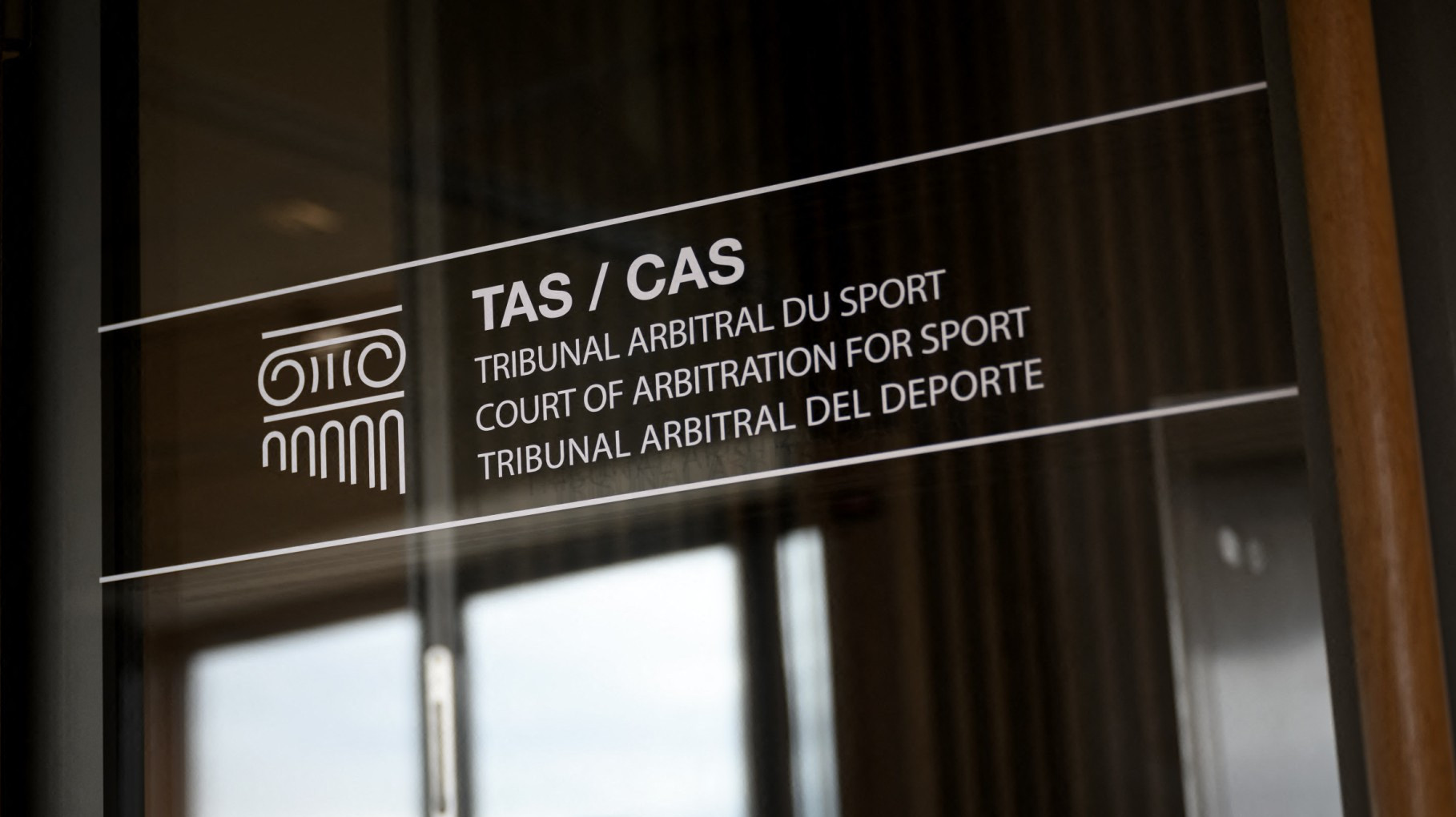
He called on the Court of Arbitration for Sport and other relevant bodies to act decisively so that, in his words, “this travesty does not stand.”
Weah also dismissed as false social media posts claiming that he had supported CAF’s earlier disciplinary action against Senegal, saying his image had been misused to spread what he called fallacious statements.
Former Players Denounce CAF Leadership
Former France international Christophe Dugarry also launched a blistering attack on CAF’s leadership, saying the problem did not lie with African football itself, nor with supporters or players, but with the governing structures that have produced what he described as years of incomprehensible decisions.
Dugarry questioned why the appeal body had taken two months to issue a ruling on a matter of such importance, saying the delay only deepened frustration across the continent.
He said the decision served no one and warned against directing anger at either Senegalese or Moroccan supporters, insisting instead that responsibility lay with football authorities and elites who, he claimed, use the game for power, privilege, and financial gain while disregarding fans and players.
“It is always the interest of a minority of wealthy insiders that prevails,” Dugarry said, describing the situation as revolting.
Former Senegal international Diomansy Kamara echoed that anger, arguing that Senegal’s reaction during the final was born out of a long history of perceived injustice.
He said criticism that Senegal should never have left the field ignored the deeper frustrations of a team and a nation that believed it had been wronged by controversial officiating, including what he described as a legitimate goal being disallowed late in the game and a penalty being wrongly awarded to Morocco.
“When on the pitch you prove you are stronger, but a valid goal is cancelled in the 90th minute and a penalty is invented in the 97th, that is no longer football; it is business and politics,” Kamara said.
He added that although Morocco had lost on the pitch after failing to convert the disputed penalty, it was later declared African champion, a development he framed as proof that Senegal had confronted a wider system of power.
Political Voices Join the Criticism
Criticism of CAF also spilled beyond football circles.
Algerian Communication Minister Zoheir Bouamama reportedly condemned the confederation’s reaction, saying it was time to rid CAF of corruption that, in his view, had been entrenched for too long.
The widening chorus of criticism reflects the extent to which the ruling has become more than a sporting dispute, evolving into a broader argument about governance, fairness, and credibility in African football.
Focus Turns to CAF Appeal Jury
As anger over the decision mounted, attention also turned to the members of CAF’s appeal jury, the body that took the controversial decision to nullify Senegal’s title and award the tournament to Morocco.
The panel is chaired by Justice Roli Daibo Harriman of Nigeria, with Faustino Varela Monteiro of Cabo Verde serving as vice-president. Other members listed are Moez Ben Tahar Nasri of Tunisia, Moses Ikanqa of Namibia, Hamoud T’feil Bowbe of Mauritania, Mohamed Robleh Djama of Djibouti, Assogbavi Komlan of Togo, Justice Masauko Timothy Msungama of Malawi, and Lubamba Ngimbi Hector of the Democratic Republic of Congo.
Their ruling has now become the focal point of an intensifying backlash, with critics saying the decision has not only overturned a final result but also damaged trust in the fairness and integrity of African football.
For many of those speaking out, the issue goes beyond Senegal and Morocco. It is about whether results earned on the field can still be trusted to stand once the final whistle has blown.






Leave a Reply