


Gambiaj.com – (BANJUL, The Gambia) – A national study examining how Gambians perceive the country’s ongoing security sector reforms has revealed persistent concerns over crime, safety, and trust in security institutions, even as many citizens remain hopeful that reforms will lead to improved service delivery in the future.
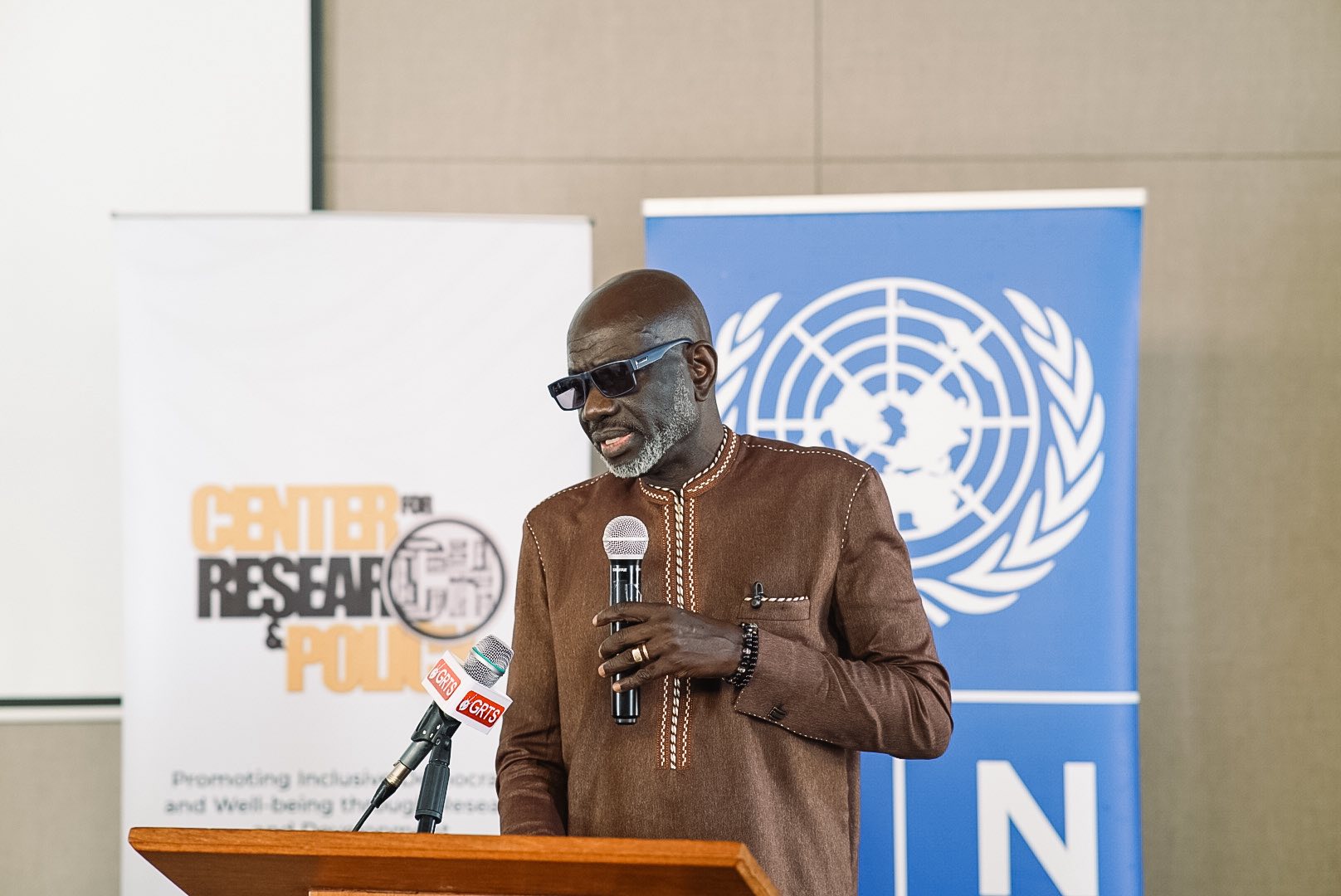
The findings were presented on Wednesday during a validation workshop organized by the Office of National Security (ONS) in partnership with the United Nations Development Programme (UNDP). The event brought together government officials, security agencies, civil society organizations, development partners, and media representatives to review the results of the nationwide survey.
The study, conducted by the Centre for Research and Policy Development (CRPD), covered all seven administrative regions of The Gambia and focused on public perceptions of security sector reform implementation, security challenges, service delivery, and youth attitudes toward security institutions.
Crime and Safety Concerns Remain Prominent
Among the most significant findings is the widespread concern over crime at the community level. The survey shows that 44 percent of respondents identify theft and burglary as the most pressing security challenge affecting their communities.
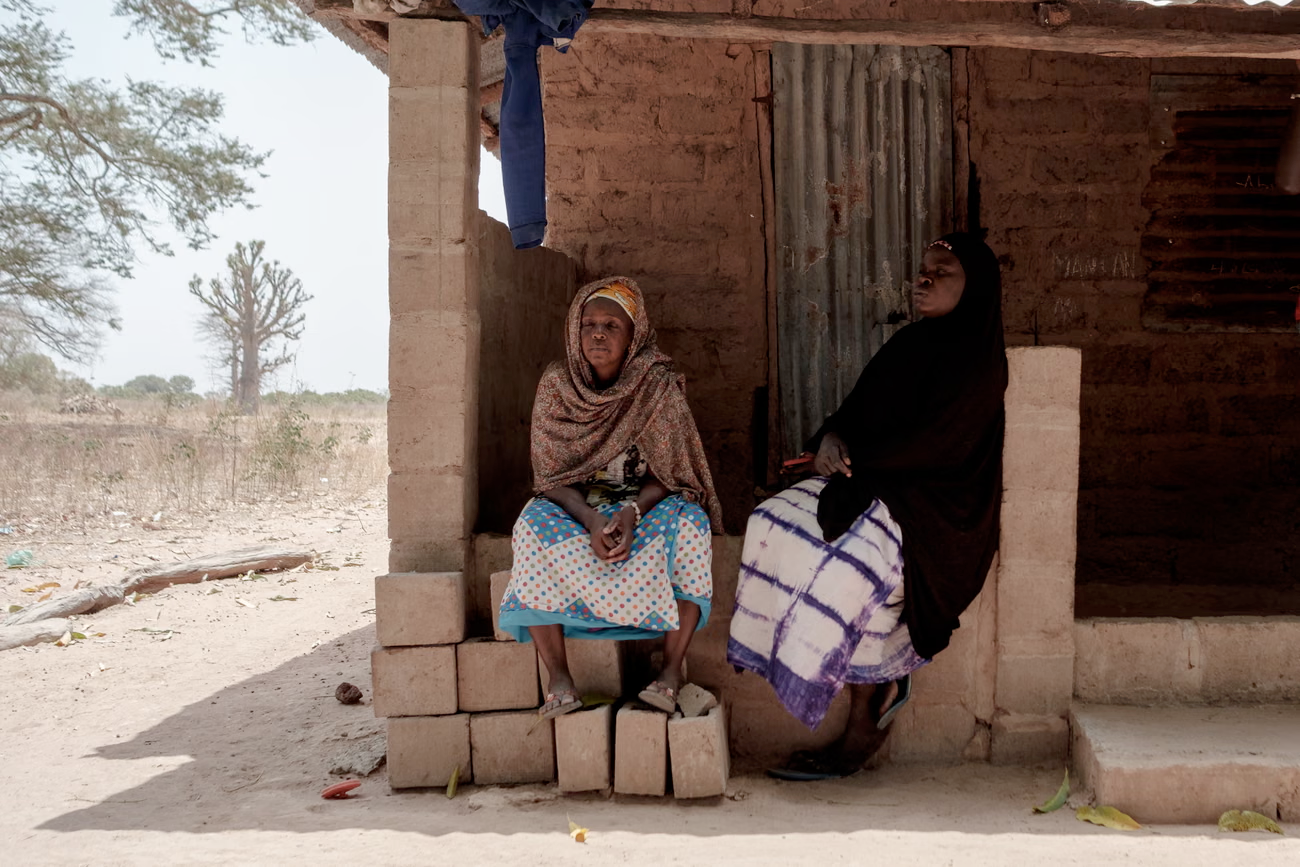
The data also reveals a gap in how safe people feel depending on the time of day and their economic status. Only 16 percent of respondents from the poorest households say they feel very safe during the daytime, while nearly 40 percent of respondents overall report feeling unsafe at night.
The study further highlights disparities in perceptions of safety among different demographic groups, with women and low-income households reporting greater feelings of insecurity compared to other segments of the population.
These findings suggest that while institutional reforms may be progressing, everyday security concerns, especially related to crime and personal safety, remain central to how citizens evaluate the effectiveness of security institutions.
Reform Must Reflect Citizens’ Realities
Opening the workshop, National Security Adviser Abubakarr Suleiman Jeng described the study as a critical step toward ensuring that security reforms in the country are guided by reliable data and citizens’ lived experiences.
He noted that since the democratic transition following the 2016 Gambian presidential election, the country has made steady progress in strengthening democratic oversight, institutional accountability, and legal frameworks governing the security sector.
However, Jeng stressed that reforms must be measured not only through institutional changes but also through how citizens experience security in their daily lives.
“Security reform must go beyond policies and institutions to focus on people’s lived experiences, including their sense of safety, trust in institutions, and access to responsive services,” he said.
He added that the findings should be seen as an opportunity for improvement rather than a setback, noting that the results provide critical data to guide policy decisions and strengthen ongoing reforms.
Data to Guide Policy and Improve Services
Speaking on behalf of the UNDP Resident Representative, Head of Governance Sainey Ceesay commended the collaborative effort that led to the successful completion of the study.
He praised the ONS, CRPD, and the UNDP Security Sector Reform Project team for conducting the nationwide survey and acknowledged the financial support of the Peacebuilding Fund as well as collaboration from partners such as the United Nations Office on Drugs and Crime and the Office of the United Nations High Commissioner for Human Rights.
Ceesay reaffirmed UNDP’s continued commitment to supporting security sector reform in The Gambia, pointing to key milestones achieved since the 2017 transition, including the passage of the National Security Council Act 2025 and the development of gender-responsive policies for security institutions.
He emphasized that the survey provides an important opportunity for authorities to align reform efforts with the realities faced by citizens across the country.
Signs of Optimism Despite Mixed Perceptions
While public opinion remains divided on whether security has improved since 2017, the study indicates that a majority of respondents remain optimistic about the future of security service delivery in The Gambia.
Participants at the workshop reviewed the findings with the aim of validating the results and identifying ways the data can be translated into practical reforms that strengthen accountability, improve responsiveness, and rebuild public trust in the country’s security institutions.
Officials say the validated report is expected to serve as an evidence-based guide for policymakers and stakeholders as The Gambia continues its efforts to reform and modernize its security sector in the years ahead.




Leave a Reply