


Gambiaj.com – (BISSAU, Guinea-Bissau) – Guinea-Bissau’s transitional authorities are preparing the ground for deposed president Umaro Sissoco Embaló to contest the December 2026 elections, in a move likely to intensify the country’s already fraught political climate.
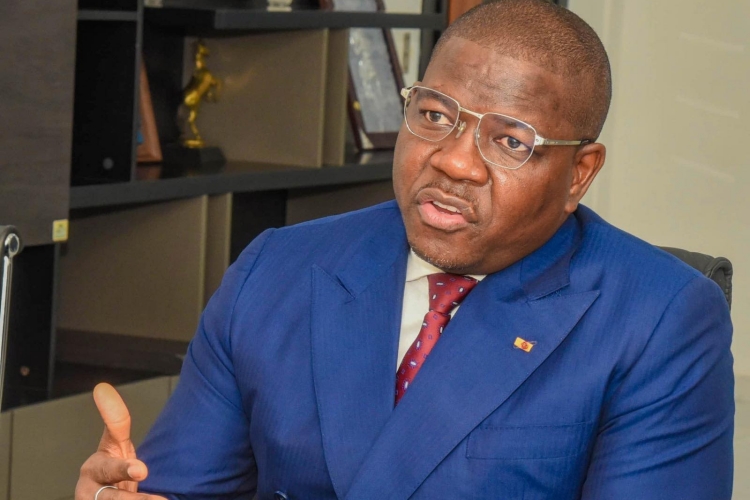
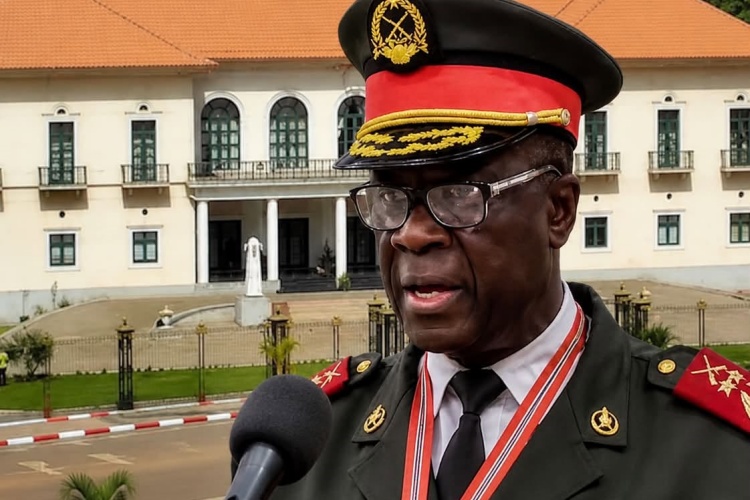
The head of the Transitional Executive, Ilídio Vieira Té, confirmed that the government is working to comply with a presidential decree scheduling simultaneous elections for December 6, 2026, while stressing that all citizens, including Embaló, are eligible to run.
“He can run without any problem, as long as there are security guarantees from the military authorities,” Vieira Té said Tuesday during a press conference held on the sidelines of the Spring Meetings of the World Bank and the International Monetary Fund.
The remarks signal a significant step by the junta to facilitate Embaló’s political comeback, months after he was deposed on November 26, 2025, in circumstances that remain deeply contested.
Legal and Political Undercurrents
Vieira Té also acknowledged the existence of a legal process against Domingos Simões Pereira, leader of the African Party for the Independence of Guinea and Cape Verde, currently before the Superior Military Court.
He insisted that the judiciary must handle the case independently and objectively, allowing citizens to determine whether the charges are substantiated.
At the same time, the transitional leader rejected claims that former presidential candidate Fernando Dias da Costa faces restrictions on his movement, stating that he is free to travel despite having sought refuge at the Nigerian Embassy.
Amid the unfolding developments, Vieira Té urged citizens to safeguard “Guineadi,” the country’s cultural identity, warning that political divisions are eroding national unity.
“Guinea-Bissau is a common good that belongs to everyone,” he said, adding that ongoing disputes are “holding the country back and destroying families.”
Opposition Cries Foul With Mounting Stakes Ahead of December Polls
However, opposition coalitions API–Cabas Garandi and PAI–Terra Ranka have sharply criticized the transitional leadership, accusing it of paving the way for Embaló while suppressing rival political figures.
In a statement, the coalitions dismissed government claims that Dias da Costa is a free citizen, alleging he has been subjected to “abusive and arbitrary acts,” including restrictions on his movements and confinement linked to his stay at the Nigerian Embassy.
They also rejected assertions that Pereira is undergoing a lawful judicial process, arguing that the PAIGC leader has been deprived of his liberty without due legal basis.
The opposition further alleged that the broader political situation stems from irregularities surrounding an alleged coup involving Embaló and transitional authorities, and warned against what they described as attempts to manipulate public opinion.
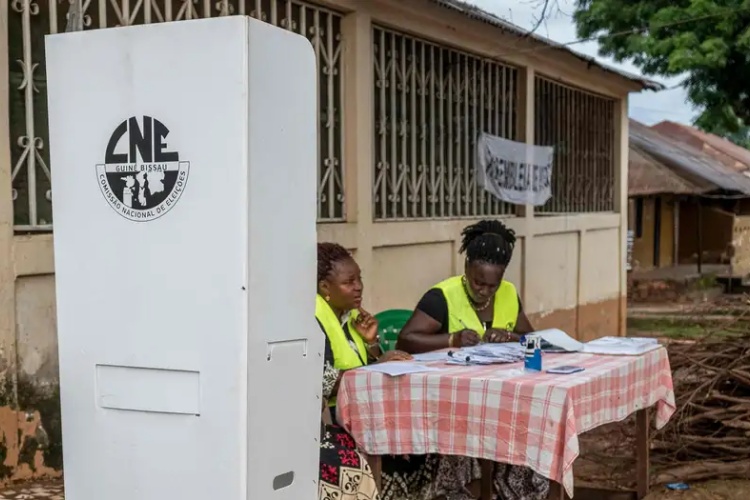
The emerging electoral framework—combined with legal pressures on opposition figures and assurances for Embaló’s eligibility—highlights the high-stakes environment ahead of the December 2026 vote.
With tensions escalating between the junta and opposition blocs, questions persist over the credibility, inclusiveness, and security of the forthcoming elections in Guinea-Bissau.









Leave a Reply