


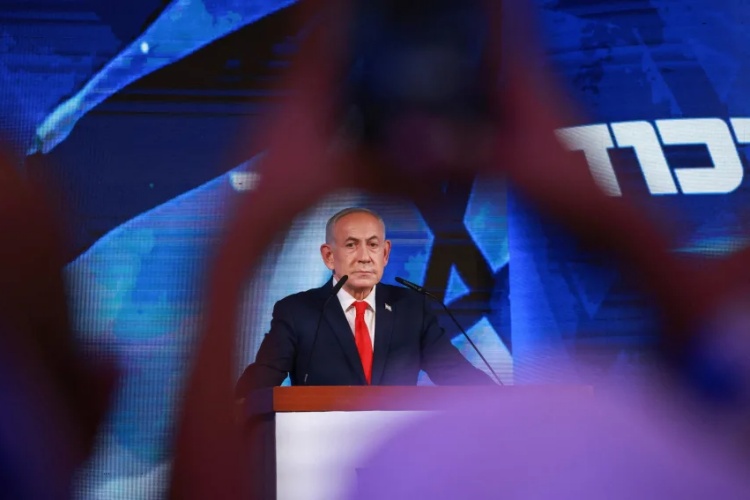
Gambiaj.com – (JERUSALEM, ISRAEL) – Israeli Prime Minister Benjamin Netanyahu’s hold on legislative power suffered a major setback Tuesday after the Knesset voted to elect an opposition-backed speaker, handing his political rivals control over parliament’s agenda.
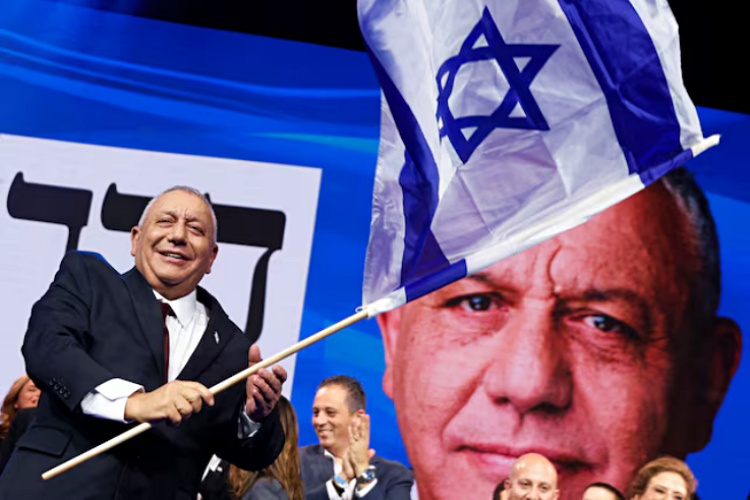
Lawmakers elected Matan Kahana, a member of Gadi Eisenkot’s Yashar party, as the 26th speaker of the Knesset, replacing Amir Ohana of Netanyahu’s Likud party. According to the Knesset spokesperson, Kahana secured the backing of 66 lawmakers in a separate-ballot vote, while Likud’s candidate, coalition whip Ofir Katz, received 52 votes.
The vote marks the first major legislative victory for the Eisenkot-led bloc since Netanyahu lost his parliamentary majority in the October 27 general election.
Netanyahu’s coalition of right-wing and ultra-Orthodox parties won 53 seats in the 120-seat legislature, while the opposition secured 67, comprising 48 seats across four Jewish parties and a record 19 seats held by two Arab parties, the Joint List and Raam.
President Isaac Herzog tasked Eisenkot earlier this month with forming the next government. While Eisenkot has up to four and a half weeks remaining to build a viable coalition, control of the Knesset plenum and key committees gives his bloc immediate power to scrutinize and constrain Netanyahu’s caretaker administration.
“Kahana’s appointment is a proper democratic move which reflects the absolute majority who voted for change,” Eisenkot said Tuesday.
Legislative Agenda and Oversight
The opposition bloc has already moved to assert oversight by installing interim chairs on powerful panels, including the finance and defense committees. Yisrael Beitenu leader Avigdor Liberman, who now chairs the Foreign Affairs and Defense Committee, announced plans to summon Israel’s top security chiefs for briefings.
Eisenkot’s allies also plan to swiftly dismantle signature policies of Netanyahu’s outgoing government. Special committees have been established to repeal the 2023 judicial overhaul laws that altered judicial selection and weakened the attorney general, measures that previously triggered mass nationwide protests, as well as legislation that expanded government oversight of the media.
Additionally, the bloc has pledged to establish a state commission of inquiry into the security and intelligence failures surrounding the October 7, 2023 Hamas-led attack, an investigation Netanyahu has consistently resisted.
Coalition Hurdles Ahead
Netanyahu and his allies fiercely contested Kahana’s election, shouting “shame” at Arab lawmakers as they cast their votes. In a statement following the tally, Likud condemned the result as “a low point in the history of the Knesset,” accusing the opposition of relying on what it termed “terror supporters,” despite Netanyahu’s own past efforts to court Arab parliamentary support.
Despite seizing control of parliament, Eisenkot faces steep hurdles in assembling a governing coalition. He favors a 48-seat “national emergency government” made up of the four Jewish opposition parties, backed from the outside by Arab lawmakers in exchange for policy concessions.
Liberman has vetoed any reliance on Arab parties, pushing instead to court ultra-Orthodox factions Shas and United Torah Judaism (UTJ). However, Shas remains loyal to Netanyahu, and UTJ, despite opening informal talks with Eisenkot, voted against Kahana on Tuesday.
Former Prime Minister Naftali Bennett reportedly favors unity talks with Likud, a non-starter for Eisenkot so long as Netanyahu insists on remaining prime minister.










Leave a Reply