


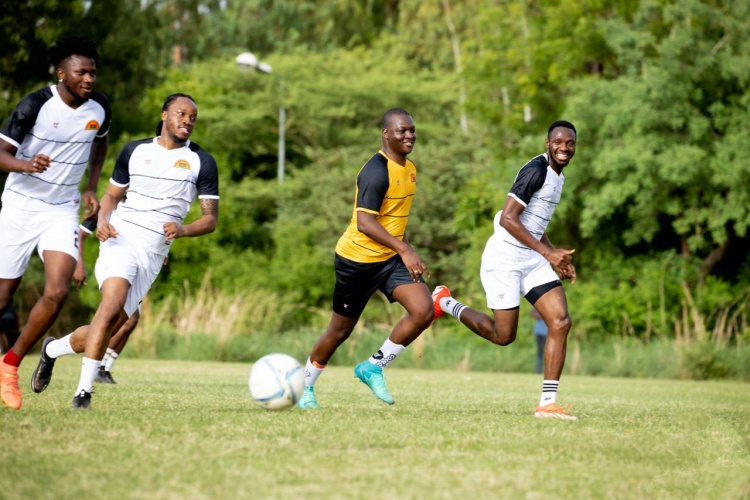
Gambiaj.com – (OUAGADOUGOU, Burkina Faso) – Burkina Faso’s President Ibrahim Traoré has launched a new national football competition, the Ligue de la Souveraineté (Sovereignty League), as part of an initiative aimed at restructuring the country’s sporting system and expanding opportunities for young athletes.
Traoré presented the project to the governors of Burkina Faso’s 17 regions on October 12, describing the initiative as part of a broader effort to promote sporting excellence and ensure that competitive opportunities are distributed across the country.
The new competition was approved by the Council of Ministers on October 8. According to the presidency, it is intended to bring high-level competition closer to the regions and provide a pathway for identifying and developing young talent.
Players To Receive Monthly Income
The initiative is also designed to provide footballers with more stable financial conditions. Players selected for the league are expected to receive at least 200,000 CFA francs a month while also benefiting from social protection.
The government says the project could create about 1,000 jobs, with regional authorities expected to play a central role in organizing selections and implementing the competition.
The presidency has presented the initiative as a “therapy of shock for a great sick body,” reflecting the government’s stated intention to reform the sporting sector and strengthen the development of Burkina Faso’s athletes.
Coming After Argentina Defeat
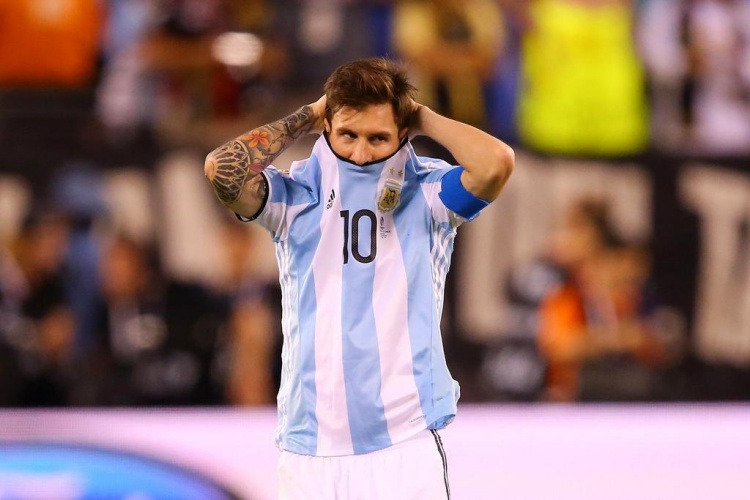
The announcement comes days after Burkina Faso suffered a heavy 7-0 defeat to Argentina in an international friendly on October 4.
Argentina scored five times in the first half before adding two more goals after the break. The result exposed significant problems in Burkina Faso’s preparation for the fixture.
The defeat also intensified scrutiny of the management of the national team and the country’s football structures, with Traoré expressing his dissatisfaction over the organization surrounding the match.
However, the proposed Sovereignty League raises questions about its relationship with Burkina Faso’s existing football championship and the national football federation.
Football federations operate within the framework of FIFA regulations, and any new competition involving elite football would therefore have to navigate the existing structures governing the sport.
Analyst Yoro Mangara, quoted in the report, argued that a better-funded and more professional competition could eventually attract the country’s leading players away from the existing championship.
The new league could therefore become an important part of Burkina Faso’s strategy to develop domestic talent, while potentially creating a parallel structure alongside the established football system.
For the government, the stated objective is broader than simply creating another championship: it is to use football to create employment, develop young talent, and strengthen the country’s sporting base across all regions.




Leave a Reply