


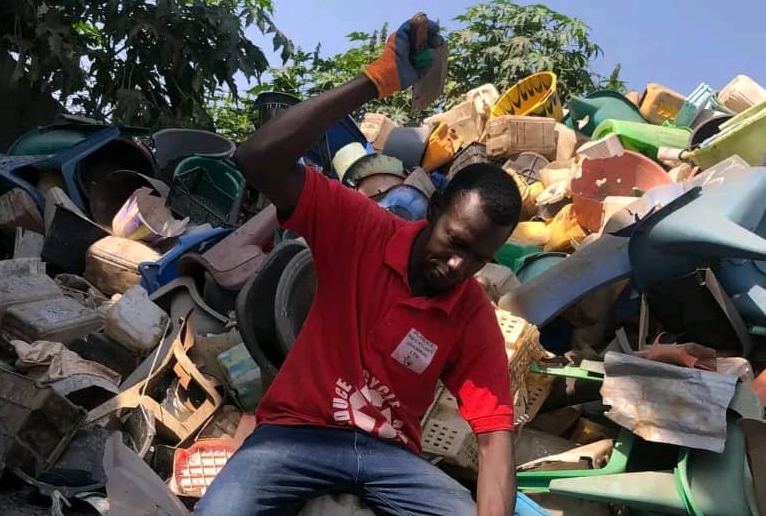
Gambiaj.com – (BANJUL, The Gambia) – Women environmental advocates and health experts have raised alarm over the growing threat of plastic pollution, warning that the crisis, driven by thousands of hazardous chemicals, is disproportionately affecting women and girls while also placing them at the forefront of solutions.
The concerns were highlighted during a high-level webinar hosted Monday by the Global Alliance for Incinerator Alternatives / Break Free From Plastic Africa network to mark International Women’s Day.
The event examined the gendered consequences of plastic pollution and celebrated women’s leadership in advancing zero-waste solutions across Africa.
Speakers warned that plastics contain more than 16,000 chemicals, including about 4,200 considered highly hazardous. Microplastics have already been detected in human blood, placentas, and even heart clots, raising concerns about long-term health risks.
Participants said women and girls face a disproportionate share of the burden, from exposure to harmful chemicals in everyday products to increased unpaid care responsibilities and difficult labor in the waste sector.
“We face slow violence: cancer development and dismissed symptoms in sexual and reproductive health,” said Azeeza Rangunwala, Africa Coordinator for the Global Green Healthy Hospitals program at groundWork South Africa.
Environmental advocate Semia Gharbi, founder of Tunisia’s Association of Environmental Education for Future Generations and a 2025 Goldman Environmental Prize laureate, warned that everyday consumer products pose significant risks.
She noted that the average woman uses around nine personal care products daily, containing more than 100 ingredients, some of which have been linked to cancer and reproductive harm.
“If you don’t know them, don’t buy,” she advised.
Ahead of upcoming global negotiations on a plastics treaty, Dalia Márquez, co-coordinator of the UNEP Women’s Major Group, called for stronger international commitments.
“A treaty that’s not gender-responsive won’t work,” she said. “It must be rights-based to protect health, dignity, and the future of our communities.”
The discussion also highlighted the role of women in waste management, particularly in the informal sector. Boniswa Phelani of the South African Waste Pickers Association described the demanding daily realities faced by women waste pickers.
“We collect, sort, and load waste before ensuring our kids go to school,” she said, noting that women dominate the marginalized sector despite limited protections and recognition.
Environmental campaigner Tening Cissé of Adansonia Green also highlighted the environmental impact of menstrual waste. According to her, a menstruating person can generate up to 180 kilograms of waste over a lifetime from between 8,000 and 15,000 disposable products.
She warned that multinational companies dominate the market while often overlooking African needs, stressing that sustainable and reusable alternatives must be developed with women’s direct involvement.
Organizers said the webinar underscored a critical shift in the global plastics debate, from viewing women merely as victims of pollution to recognizing them as key leaders in environmental justice and community-driven solutions.
As negotiations on a global plastics treaty approach, activists within the GAIA/BFFP Africa network say they will continue pushing to ensure women’s voices remain central in the fight for a plastic-free planet.








Leave a Reply