


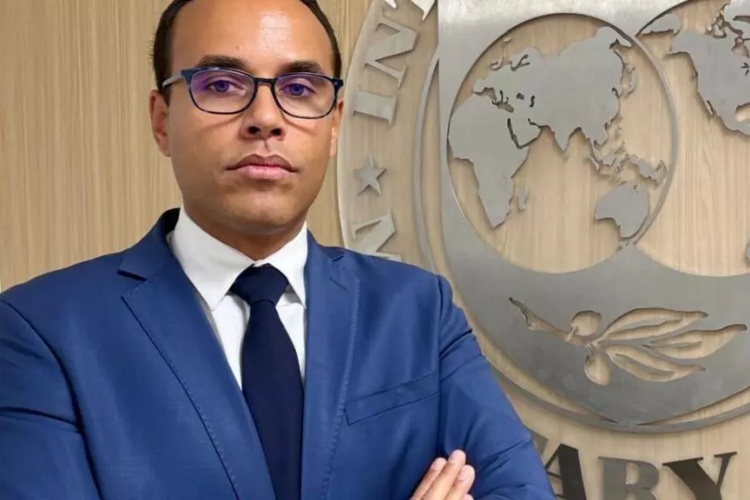
Gambiaj.com – (DAKAR, Senegal) – Senegal’s newly announced $2.2 billion financing agreement with the International Monetary Fund may have been presented as a breakthrough, but comments by the Fund’s representative in Dakar reveal that significant conditions, risks, and uncertainty remain behind the headline figure.
The agreement, reached after months of negotiations, is only a preliminary staff-level understanding and does not mean that Senegal has already received the money.
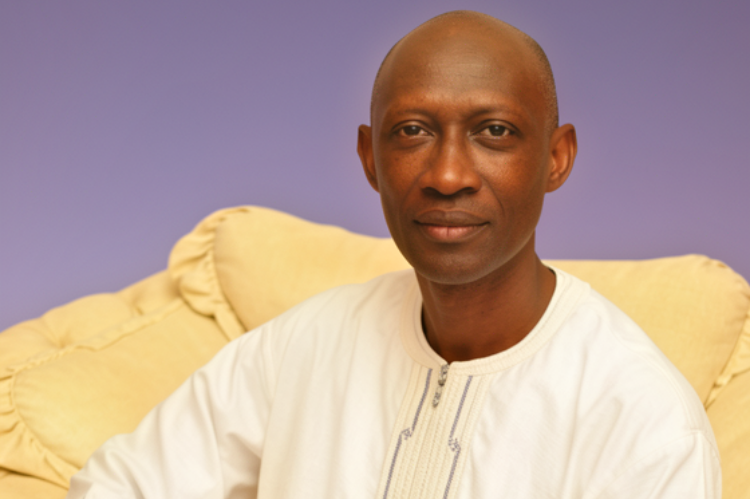
Majdi Debbich, the IMF’s resident representative in Senegal, said the arrangement must still be approved by the Fund’s Executive Board and that the Senegalese authorities must first implement a number of measures.
That process could take another two to three months, meaning the first disbursement may not arrive before December.
The $2.2 Billion Is Not Yet in Senegal’s Accounts
Public announcements surrounding the agreement have focused heavily on the size of the proposed $2.2 billion package, portraying it as a major financial boost for a country facing severe fiscal pressure.
However, Debbich made clear that the agreement represents only the first stage of a longer process.
“Generally, several months pass between a staff-level agreement and its presentation to the Executive Board,” he explained, adding that the authorities must complete certain measures before the programme can be submitted for final approval.
This means the funding remains conditional and subject to further reforms and approval procedures.
Debt Crisis Remains at the Center of the Deal
Perhaps the most significant revelation from the interview is the scale of Senegal’s debt problem.
According to Debbich, Senegal’s debt burden is approaching 130 percent of gross domestic product, while interest payments alone consume around one-quarter of the country’s tax revenues.
This means a substantial portion of government revenue is being used simply to service existing debt rather than finance schools, hospitals, infrastructure, and job-creating investments.
The proposed IMF program, therefore, is not simply a new source of financing. It is closely linked to efforts to address a debt burden that both the IMF and Senegalese authorities acknowledge has become extremely heavy.
Debt Treatment Could Become the Next Major Challenge
Official statements have referred to Senegal’s intention to seek a “treatment” of its debt in order to restore sustainability.
But the interview sheds more light on what that could mean.
Debbich said the authorities recognize that the current debt level is weighing heavily on the national budget and that the debt must be addressed to create fiscal space for priority spending.
Although he did not explicitly confirm that Senegal is heading for a restructuring or default, the reference to engaging creditors on debt treatment suggests that negotiations over the country’s obligations could become a central part of the economic program.
Such a process could involve difficult discussions with domestic and external creditors and potentially require changes to repayment terms.
Hidden Debt Still Shapes IMF Relations
The new agreement also comes after one of the most serious debt-reporting scandals in the IMF’s history.
Senegalese authorities revealed in September 2024 that significant government liabilities had not been properly declared under the previous administration.
The undeclared debt was estimated at around $11 billion.
Debbich said the authorities had since undertaken three major review processes, including investigations by the Inspectorate General of Finance, the Court of Auditors, and an inventory conducted by audit firm Mazars.
He said the authorities’ decision to disclose the hidden debt demonstrated a willingness to improve transparency and move beyond the scandal.
But the IMF program is also designed to prevent a repeat of the failures that allowed such liabilities to remain outside official reporting systems.
Reforms Are Part of the Price of the Agreement
One important reform already highlighted by the IMF is the consolidation of debt management functions within a single ministry and a single directorate-general.
According to Debbich, this has significantly improved visibility over Senegal’s overall indebtedness.
The IMF and Senegalese authorities have also agreed on a broader package covering the country’s macroeconomic framework, medium-term financing needs, economic policies, and reforms aimed at correcting weaknesses exposed by the hidden debt crisis.
While the official announcement has highlighted the prospect of new financing, the interview indicates that the program will involve substantial policy commitments and institutional reforms.
Political Questions Left Unanswered
The apparent acceleration in negotiations has also raised political questions, particularly following recent developments within Senegal’s government.
Asked whether the departure of Prime Minister Ousmane Sonko had helped unlock discussions with the IMF, Debbich declined to comment on domestic politics.
He instead attributed progress to the completion of an ongoing process and to recent reforms undertaken by the authorities.
His response leaves unanswered whether political changes in Dakar played any role in improving relations between Senegal and the IMF.
A Lifeline, But Not a Solution on Its Own
The proposed $2.2 billion program could provide Senegal with an important financial lifeline and potentially help restore investor confidence after months of uncertainty.
However, the IMF representative’s comments suggest that the real challenge lies beyond securing the loan.
Senegal must still complete prior measures, obtain Executive Board approval, implement reforms, and confront a debt burden approaching 130 percent of GDP.
Most importantly, the authorities have acknowledged the need to seek a treatment of the country’s debt with creditors.
The IMF agreement may therefore mark the beginning of a new phase in Senegal’s economic recovery rather than the end of its financial crisis.
Behind the positive headlines surrounding the $2.2 billion deal lies a more difficult reality: the money has not yet been disbursed, the program remains conditional, and Senegal still faces potentially complex negotiations over how to bring one of Africa’s heaviest debt burdens back under control.







Leave a Reply