


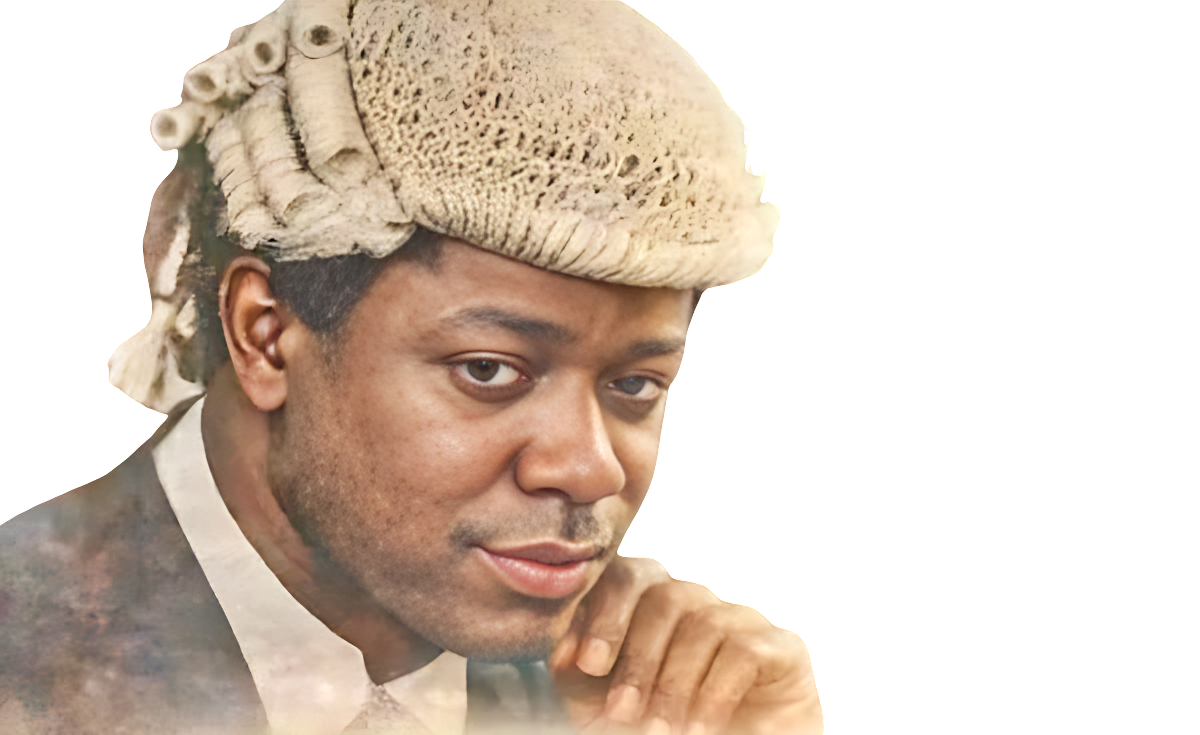
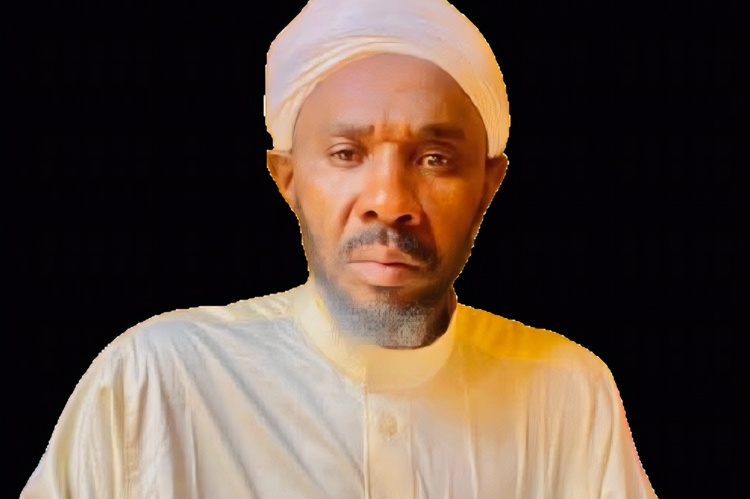
Gambiaj.com – (BANJUL, The Gambia) – Berthan Macaulay Jr., a towering figure in Sierra Leone’s legal profession whose career also intersected with The Gambia’s 1981 post-coup legal history, has died at the age of 72 in Dakar, Senegal.
Widely regarded as one of the most respected private practitioners at the Sierra Leone Bar for more than five decades, Macaulay built a reputation as a principled lawyer whose commitment to the rule of law earned him the description of a “lawyer’s lawyer” among peers.
From a Gambian perspective, Macaulay’s life carried a distinct historical connection to the country. His father, Berthan Macaulay Snr. Q.C., who served as Sierra Leone’s first indigenous Attorney-General, later became Legal Adviser to President Dawda Jawara following the 1981 Gambian coup attempt, led by Kukoi Samba Sanyang.
That period marked one of the most turbulent chapters in Gambian political history, as the government worked to restore constitutional order after the attempted overthrow. The elder Macaulay’s role advising President Jawara placed the family close to the legal reconstruction that followed the crisis.
Berthan Macaulay Jr. himself also became professionally involved in The Gambia. After qualifying as a barrister in the United Kingdom and returning to West Africa, he was admitted to the Bar at the Supreme Court of The Gambia.
During the early to mid-1980s, he was among the lawyers engaged in litigation related to the Kukoi coup cases, a series of prosecutions and legal proceedings stemming from the 1981 insurrection. His involvement continued until about 1986.
A Life of Professional Integrity and Dedication to Justice
Born on April 17, 1953, Macaulay Jr. came from one of Sierra Leone’s most distinguished legal families. His father had been appointed Attorney-General in 1963 by Prime Minister Milton Margai, shortly after the country gained independence from Britain. His mother, Agnes Awunor Renner, later served as Acting Chief Justice of Sierra Leone.
Despite such a formidable lineage, Macaulay Jr. forged his own professional identity. He studied law at King’s College London, graduating with an LLB (Honours) in 1974, and was called to the Bar at Gray’s Inn the following year.
He was admitted to the High Court of Sierra Leone in 1977 and built a legal career that would span more than half a century, largely based in Freetown.
As senior partner of Basma & Macaulay, he developed one of the country’s most respected law practices, handling complex cases across banking, energy, infrastructure, and corporate law.
Macaulay also played an influential role in shaping Sierra Leone’s legal institutions. He contributed to the drafting of the Companies Act 2009 and the Bankruptcy Act, chaired the General Legal Council, served on the Rules of Court Committee, and helped establish the Sierra Leone Law Review as a managing editor of its first edition.
Beyond courtroom advocacy, colleagues remember him for his meticulous professionalism and deep commitment to mentoring younger lawyers. Known for his disciplined work habits and insistence on high standards in legal practice, he quietly became a guiding influence for a generation of barristers.
His philosophy toward the law was perhaps best illustrated when he argued a constitutional case challenging an executive appointment made without parliamentary approval.
Though the case was ultimately unsuccessful, Macaulay reportedly viewed the hearing itself as a victory, emphasizing that the legal process must always be respected.
Friends and colleagues often described him as reserved but deeply principled, someone whose presence commanded respect rather than attention. His quiet authority, combined with a sharp wit and generosity toward junior lawyers, earned him enduring admiration within Sierra Leone’s legal community.
Macaulay died on February 24, 2026, in Dakar after an illness. He is survived by his sisters Bertina, Bernadine, and Berette Macaulay, as well as an extended network of colleagues and former students across West Africa.
For many in The Gambia, his passing also recalls a lesser-known chapter of the country’s legal history, when a Sierra Leonean barrister with family ties to the Jawara administration contributed to the legal aftermath of the 1981 coup, a reminder of the close professional links that have long connected the region’s legal communities.










Leave a Reply