


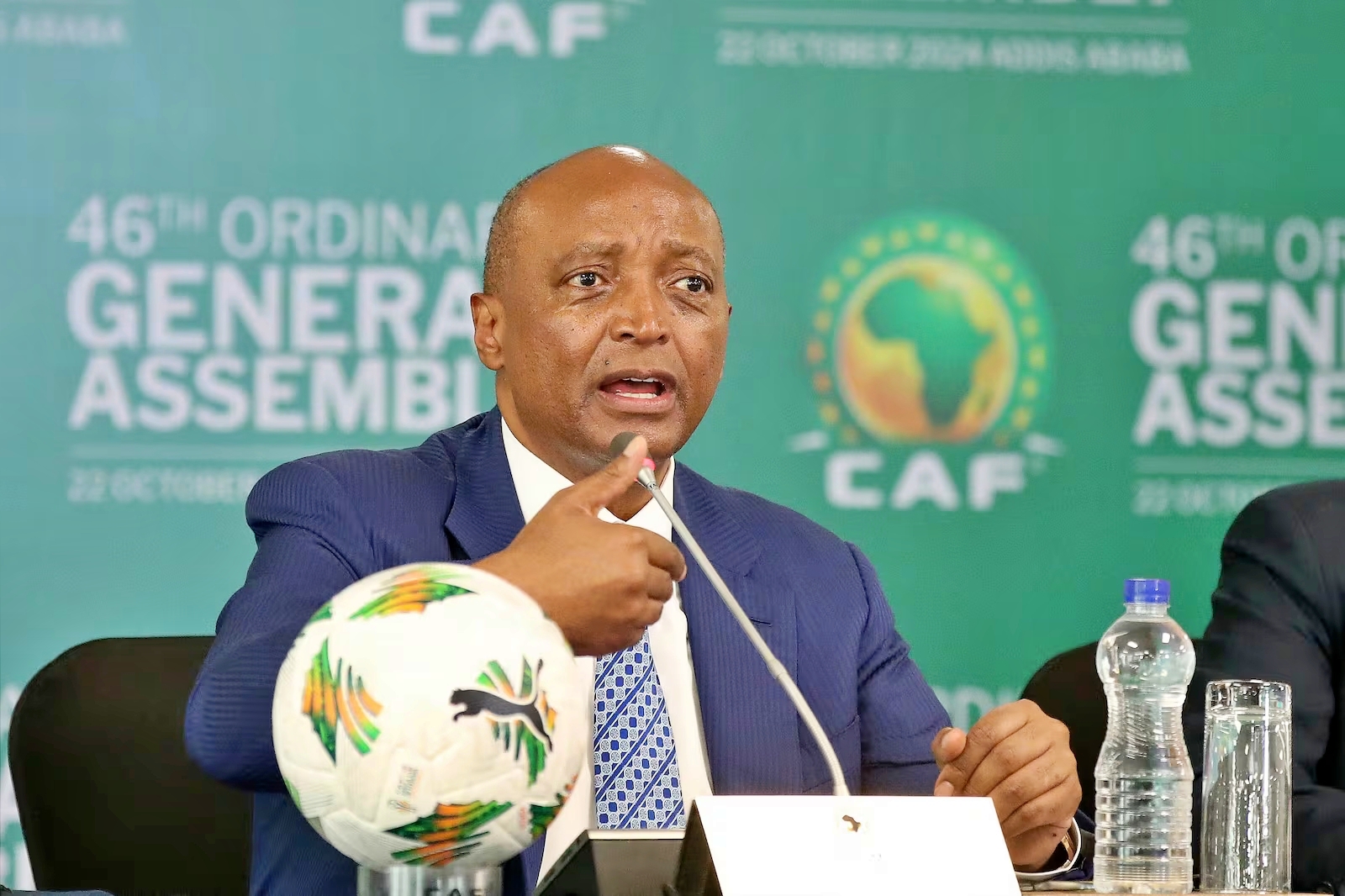
Gambiaj.com – (CAIRO, Egypte) – Patrice Motsepe has acknowledged that a senior football official who should not have been part of the Confederation of African Football’s Appeals Jury was allowed to sit on the panel that handled the contentious legal dispute over the 2025 Africa Cup of Nations final, deepening concerns about interference and procedural irregularities within the continental body.
Speaking at a press conference, the CAF president admitted that Moez Nasri, the president of Tunisia’s football federation, should never have been included among the appeal judges.
“When I was informed that one of the individuals among the appeal judges was the president of one of our football associations, I said: ‘What is this? How did he get there?’” Motsepe said. “He should not have been there. We need greater rigor.”
The admission came after questions from Nigerian journalist Osasu Obayiuwana and effectively confirmed that a sitting federation president had participated in deliberations on a case involving national teams, something widely regarded as a serious conflict of interest.
Legal Affairs Interference Alleged
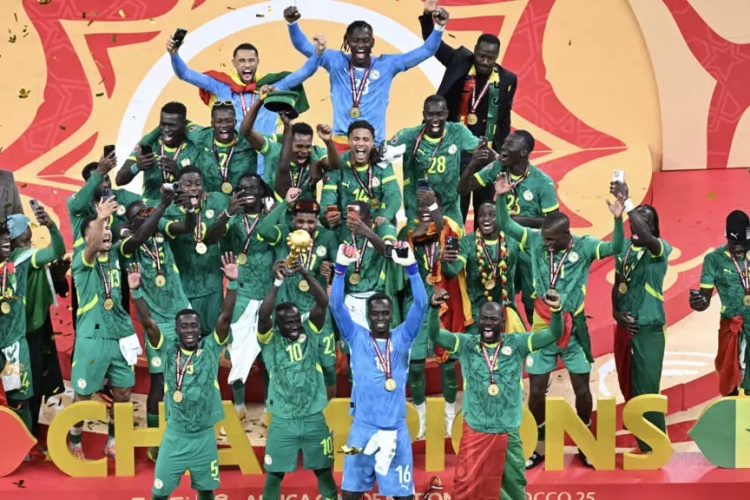
The controversy surrounding the Appeals Jury relates to the legal challenge stemming from the 2025 AFCON final between Senegal’s national football team and Morocco’s national football team.
However, the revelation about Nasri’s presence is only part of a broader set of allegations involving interference by CAF’s administration in a process meant to be independent.
According to accounts from individuals familiar with the proceedings, the situation began weeks before the Appeals Jury convened on March 17.
CAF had dismissed the head of its independent judicial bodies just two weeks before the hearing and did not formally appoint a replacement.
That vacuum allegedly allowed the confederation’s director of legal affairs, Cédrick Aghey, to intervene directly in the composition of the Appeals Jury.
Sources say Aghey personally selected the members requested by the jury’s chair, a move critics argue undermined the independence of the panel from the outset.
Motsepe Ally Present During Confidential Hearings.
Further questions have been raised over the presence of Rebecca Haimbili during the Appeals Jury proceedings in Cairo.
Haimbili, CAF’s director of governance, risk, and compliance, reportedly attended the hearings despite having no formal role within the Appeals Jury structure. The panel met physically in Cairo while representatives from Morocco and Senegal joined the proceedings via videoconference.
Under CAF’s governance framework, judicial bodies such as the Appeals Jury are meant to operate independently from the confederation’s administrative leadership to guarantee impartiality and confidentiality.
Several individuals working within CAF described Haimbili’s presence as highly irregular.
“This is a serious violation of the conduct of a legal procedure,” one official said. “How can the independence of a judicial commission be guaranteed if the administration selects the jury and then sends one of its own directors into the hearings?”
Controversial Role in Internal Investigations
Haimbili’s involvement has drawn additional scrutiny because of her role in earlier internal governance disputes at CAF.
A former lawyer at Namibia’s High Court, she joined CAF as a personal assistant to Petrus Damaseb, the Namibian Supreme Court judge who chairs CAF’s governance committee.
Damaseb had been tasked with investigating internal reports alleging administrative dysfunction and interference within the organization, particularly involving CAF Secretary General Véron Mosengo-Omba.
The investigation concluded rapidly and cleared all officials involved, allowing the CAF leadership to declare that no wrongdoing had occurred.
Shortly afterward, Haimbili was appointed director of governance, risk, and compliance, replacing the previous head of the department who had reportedly authored a detailed report outlining concerns about Mosengo-Omba and other senior officials.
Critics inside the organization claim the change effectively neutralized internal oversight mechanisms.
Mounting Questions Over CAF’s Legal Process
The combined revelations; Motsepe’s own admission about Nasri’s participation; the alleged role of the legal affairs department in selecting the jury; and the presence of a senior administrative director during confidential hearings have fueled growing doubts about the integrity of the process surrounding the AFCON final dispute.
Observers say the case, already regarded as one of the most consequential legal battles in CAF’s modern history, now risks becoming a broader test of the confederation’s governance and judicial independence.





Leave a Reply