


Gambiaj.com – (BANJUL, The Gambia) – A growing wave of xenophobic violence in South Africa is prompting heightened diplomatic concern across the continent, with African governments increasingly wary of the safety of their nationals and the broader implications for regional cohesion.
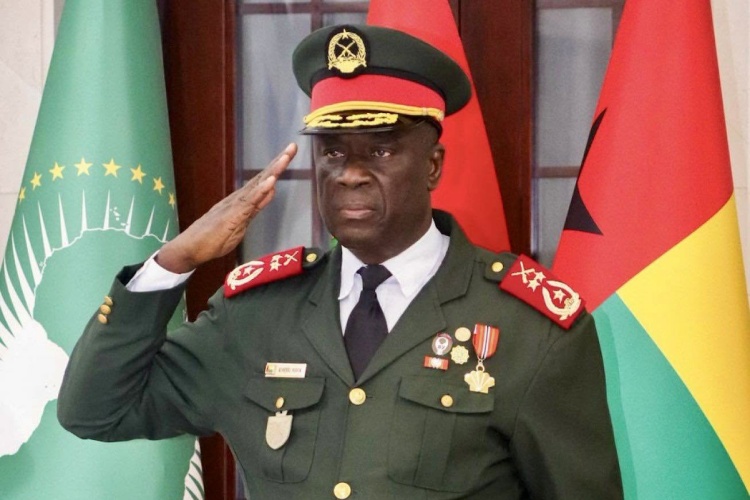
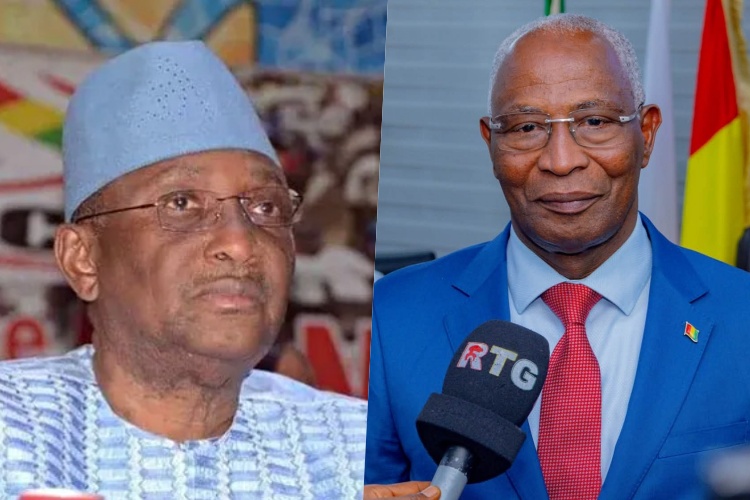
In a fresh sign of mounting anxiety, Ilídio Vieira Té, Prime Minister of Guinea-Bissau, summoned Mphakama Mbete, South Africa’s ambassador to Bissau, to formally protest against what his government described as escalating hostility toward foreign nationals, particularly Africans.
During the meeting, Vieira Té expressed “deep concern” over reports of threats, physical assaults, and forced displacement affecting immigrants, including Guinean citizens engaged in lawful economic activities.
He stressed the need for South African authorities to uphold international law and African human rights frameworks by ensuring the protection of all residents regardless of nationality.
The démarche by Bissau reflects a broader continental unease as recurring xenophobic episodes, dating back to major outbreaks in 2008, resurface with renewed intensity.
These incidents, often linked to economic hardship, have seen foreign-owned businesses looted, communities uprooted, and migrants blamed for unemployment and crime, claims analysts say are not supported by consistent evidence.
The situation in 2026 has raised particular alarm, with reports pointing to disrupted economic activity in affected areas, rising insecurity in townships, and reputational damage to South Africa as a destination for African migrants.
Governments across the continent are increasingly concerned that such trends could undermine regional integration efforts and the principle of free movement within Africa.
Bissau has warned it is closely monitoring developments and may consider additional measures if conditions deteriorate. While no formal complaints have yet been lodged by Guinean nationals in South Africa, Director-General of Communities Braima Mané confirmed authorities remain on alert.
Abuja Demands Answers About the Death of Two Nigerian Nationals
Nigeria has also taken a firm diplomatic stance. Authorities in Nigeria summoned South Africa’s acting High Commissioner in Abuja following the deaths of two Nigerian nationals, identified as Nnaemeka Matthew Andrew Ekpeyong and Kelvin Chidiebere Amaramiro, in incidents involving law enforcement officers.
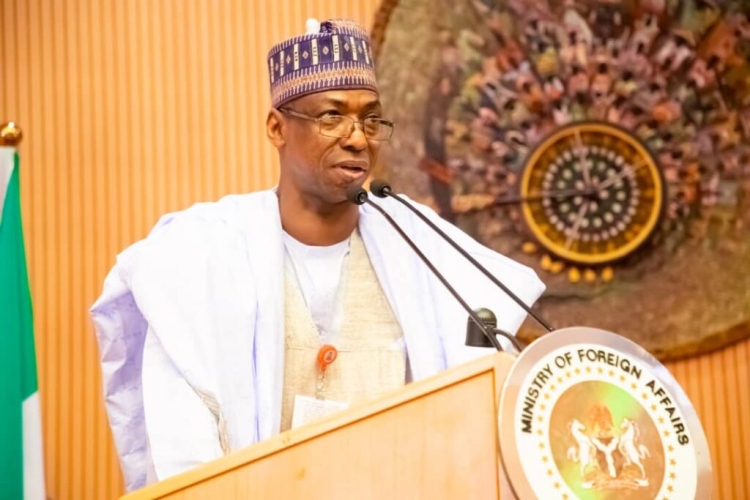
At the meeting, Nigeria’s Permanent Secretary for Foreign Affairs, Dunoma Umar Ahmed, demanded “thorough, transparent, and impartial” investigations, as well as full disclosure to the victims’ families, including autopsy results.
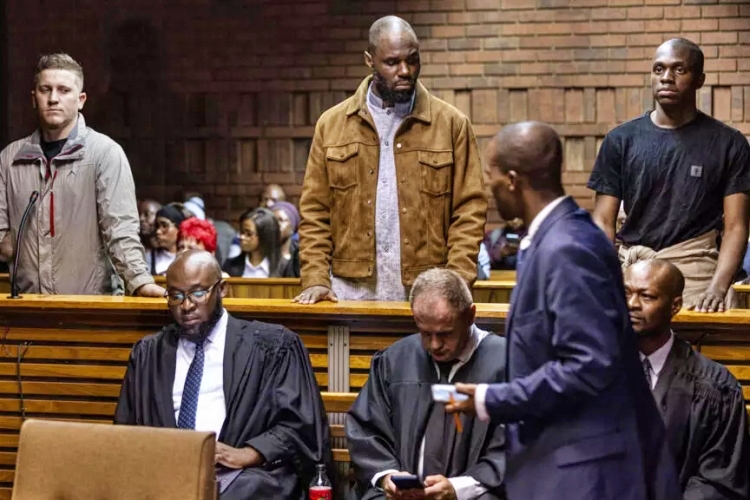
The deaths occurred against a backdrop of rising anti-foreigner sentiment and calls for expulsions in parts of South Africa.
Although Pretoria has publicly condemned attacks on foreigners, Abuja urged South African authorities to move beyond statements and implement concrete preventive measures, including tackling hate speech and strengthening protections for migrants.
Subsequent diplomatic engagement between the two countries saw foreign ministers agree to pursue a joint, long-term response to the crisis. South Africa’s representative, Lesoli Machele, reiterated that xenophobic acts do not reflect official policy and pledged to convey Nigeria’s concerns to Pretoria.
Despite these assurances, the pattern of recurring violence is fueling a sense of caution among African states, many of which now view the situation as not only a domestic South African issue but also a continental challenge with implications for diplomacy, migration policy, and economic cooperation.
As tensions simmer, governments are balancing calls for accountability with appeals for restraint among their citizens, wary that retaliatory actions could further strain relations and destabilize African solidarity.







Leave a Reply