


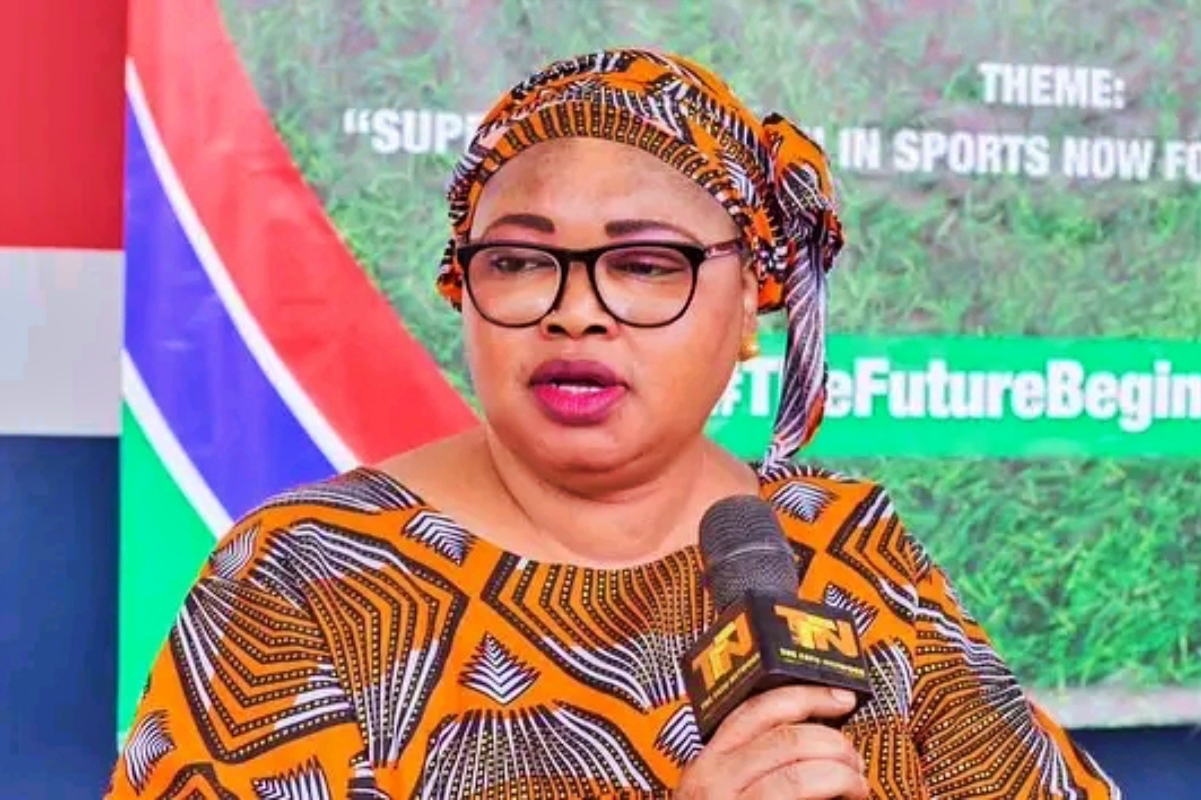
Gambiaj.com – (BANJUL, The Gambia) – Banjul City Council Lord Mayor Rohey Malick Lowe has thrown her weight behind Gambia Press Union (GPU) President Isatou Keita, strongly questioning what she describes as the sudden push for new media regulations at a time when women are leading key public institutions.
In a forceful public statement, Lowe argued that the urgency surrounding the proposed regulations is misplaced, noting that similar momentum was absent under previous administrations.
She suggested that such moves often reflect a broader resistance to change, where regulatory pressure can be used less to improve governance and more to constrain emerging leadership.
Lowe linked the current debate to what she sees as a recurring pattern in public life, where women in leadership face swift and often coordinated challenges that risk undermining their authority.
In her view, the renewed push for media regulation fits into that pattern and should be critically examined.
Addressing Keita directly, Lowe expressed solidarity and praised her leadership at the helm of the GPU, emphasizing that her rise was built on merit, resilience, and long-standing commitment to journalism. She cautioned that attempts to discredit or weaken Keita would not erase the impact of her work on the media landscape.
“To the President of the Gambia Press Union, Isatou Keita, my dearest sister, I say this publicly: We stand with you,” Lowe wrote. “Thousands of Gambians, men and women of conscience, stand with you.”
Broadening the scope of her remarks, Lowe stressed that the issue extends beyond the media sector, warning that any attempt to target independent journalists ultimately affects the wider public. “When they target independent journalists, they target all of us,” she said, adding that silence in such moments risks eroding democratic accountability.
Her intervention is expected to add momentum to an already intensifying national conversation on media regulation, press freedom, and the boundaries of state oversight. It also underscores growing public support for journalists and media leaders who argue that the proposed regulatory direction could compromise the independence of the press.
Keita, who has been at the forefront of opposition to the proposed measures, has consistently maintained that a free and independent media is essential to serving the public interest. Lowe’s endorsement elevates the debate further, framing it not only as a legal and policy issue but also as a broader question of power, gender, and democratic space in The Gambia.
With journalists, civil society actors, and political figures continuing to weigh in, the controversy is likely to remain a focal point in the days ahead.








Leave a Reply