


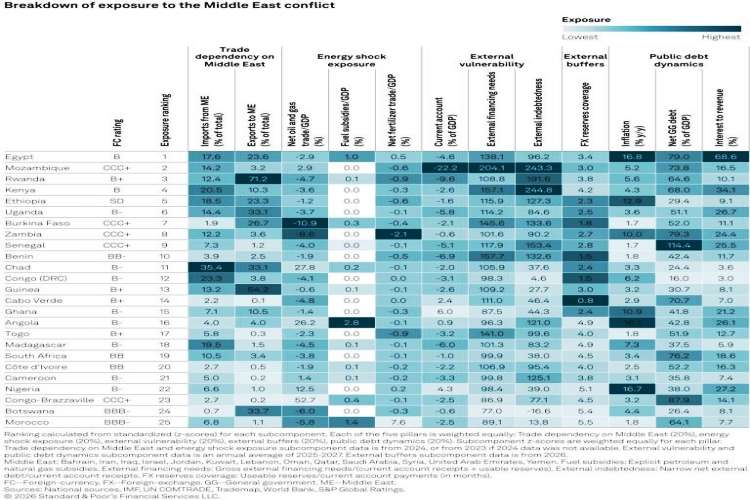
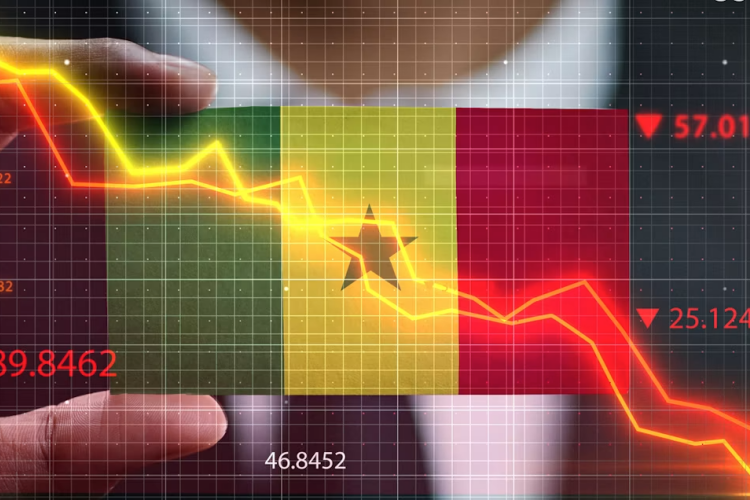
Gambiaj.com – (DAKAR, Senegal) – S&P Global Ratings has identified Senegal among African economies most exposed to the economic shockwaves stemming from the ongoing conflict in Iran, citing structural fiscal and external imbalances that limit the country’s ability to absorb external shocks.
In a report dated April 23, 2026, the ratings agency placed Senegal alongside Egypt and Uganda in a category of countries “particularly vulnerable due to large current account and budget deficits.” The assessment comes amid rising global uncertainty triggered by tensions in the Middle East.
Oil Price Surge Intensifies Pressure
The analysis highlights a sharp increase in global oil prices, up 50 percent since the start of the year, with projections averaging $85 per barrel through 2026, as a key driver of fiscal strain for net fuel-importing countries such as Senegal.
The surge is expected to widen deficits and increase pressure on already constrained public finances.
S&P notes that African sovereigns, including Senegal, already allocate an average of 17 percent of government revenues to servicing debt, significantly above the global median of 5.5 percent. This high debt servicing burden, combined with wage expenditures, leaves governments with limited fiscal space to respond to external shocks.
Limited Fiscal Flexibility and Rising Social Pressures
The report warns that governments may face increasing pressure to expand spending to cushion populations from rising fuel costs. Although fuel subsidies remain relatively low across the continent, averaging 0.3 percent of GDP, persistent price increases risk reversing recent subsidy reforms.
“After accounting for interest payments and wages, fiscal flexibility among African states is significantly lower than that of their global peers,” the report states, underscoring the structural constraints facing policymakers.
Inflation and External Imbalances Expected To Worsen
S&P projects a deterioration in current account positions across most African economies, alongside a resurgence in inflation. While energy constitutes a relatively small share of consumer price indices, its indirect impact, particularly on food prices and transport costs, is substantial.
The agency also flagged rising fertilizer prices as a critical risk. With more than 75 percent of rated African countries being net importers of both fuel and fertilizers, higher input costs could reduce domestic agricultural output and prolong pressure on household budgets.
Senegal may benefit from short-term relief if fertilizer stocks have already been secured for the current planting season. However, S&P cautions that sustained high prices would pose medium-term risks to food security and economic stability.
Foreign Reserves Offer Temporary Buffer
Despite these vulnerabilities, the report notes that about half of African countries ended 2025 with stronger foreign exchange reserves compared to the previous decade. On average, reserves currently cover around three months of current account payments.
This buffer, however, is expected to erode as external balances weaken, particularly for oil-importing economies like Senegal.
The report identifies Mozambique and Rwanda among the most exposed to the conflict, while oil exporters such as Nigeria, Angola, and the Republic of the Congo, as well as Morocco with stronger reserves, appear relatively more resilient.
S&P’s baseline scenario assumes that the conflict will peak and that the Strait of Hormuz will gradually reopen. However, the agency cautions that associated disruptions could persist for months, with a prolonged conflict posing even greater risks for vulnerable economies such as Senegal.






Leave a Reply