


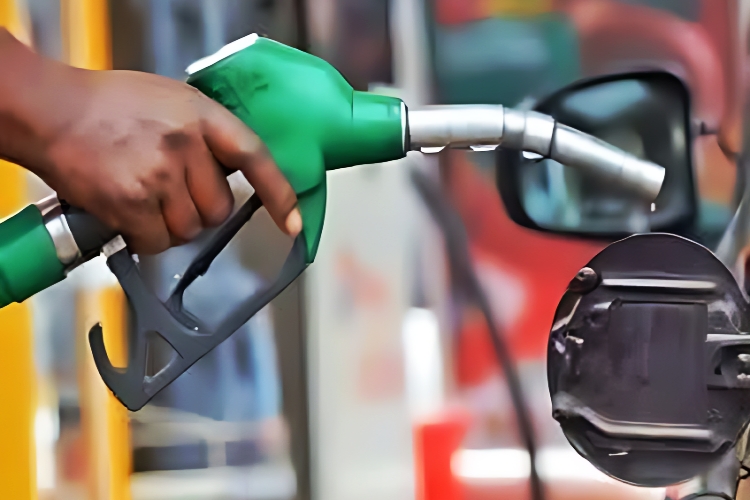
Gambiaj.com – (BANJUL, The Gambia) – People across The Gambia are reacting to the latest increase in fuel prices, with many warning that the hike will make daily life even more difficult for ordinary citizens already struggling with the rising cost of living.
On May 1, the Ministry of Petroleum, Energy, and Mines announced new fuel prices. Petrol now costs D112.00 per litre, diesel D120.00 per litre, and kerosene D133.72 per litre.
Authorities attributed the increase to rising global oil prices and supply disruptions linked to tensions in the Middle East.
For many Gambians, however, the impact is being felt far closer to home.
In a vox pop conducted in Serrekunda and Banjul, residents described how the increase is already affecting their daily lives and businesses.
Lamin Sanyang, a taxi driver, said the situation is becoming increasingly difficult to manage.
“Fuel is what we depend on every day. If the price goes up, we also have to increase transport fares. But passengers are already struggling, so it creates problems for everyone,” he said.
At the Serrekunda market, vegetable vendor Fatoumata Jallow said the effects of the increase would extend beyond transportation.
“The cost of transporting goods will rise, and we will have no choice but to sell at higher prices. In the end, it is the ordinary person who suffers most,” she said.
Young people are also feeling the pressure. Ebrima Bah, a student, said the rising cost of living is becoming discouraging.
“There are not enough opportunities, and now everything is getting more expensive. It’s becoming harder to cope,” he said.
Some residents acknowledged that the fuel hike is driven partly by global developments. Momodou Camara, a shopkeeper in Banjul, said while international oil prices are beyond the government’s control, authorities should still do more to cushion the impact on citizens.
“We hear that fuel prices are increasing everywhere, but the government should still try to support the people,” he said.
The government says it has spent more than D500 million on fuel subsidies in April and May to help ease the burden on consumers. However, officials have warned that maintaining such subsidies for a prolonged period may not be sustainable because of mounting pressure on public finances.
For many Gambians, the reality remains simple: when fuel prices go up, the cost of everyday life rises with them.




Leave a Reply