


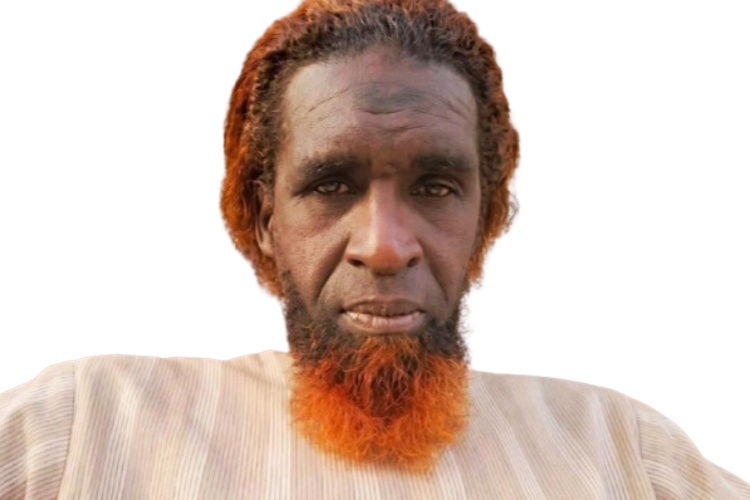
Gambiaj.com – (DAKAR, Senegal) – A terrorism investigation in Senegal has taken a significant turn following the arrest of Ismaila Diallo in Saint-Louis, with authorities uncovering alleged links to a transnational jihadist network, the use of war aliases, and hostility toward the country’s dominant Sufi Islamic traditions.
Diallo was discreetly transferred to Dakar under heavy escort by the elite Gendarmerie Intervention Group (GIGN) and referred to prosecutors specializing in terrorism cases. Initially pursued for digital-related offenses, including dissemination of false information, online insults, and defamation, his case was reclassified after investigators examined the contents of his mobile phones.
According to judicial sources, the analysis revealed what investigators described as “explosive” material, prompting charges of criminal conspiracy linked to a terrorist organization, participation in an armed group, conspiracy to commit terrorist acts, and advocacy of terrorism.
War Names and Encrypted Networks
Central to the investigation is Diallo’s alleged participation in a WhatsApp group where members operated under nom de guerre. Diallo himself reportedly used the alias “Abou Oussama al Senegali,” a name authorities believe reflects jihadist naming conventions rather than personal identity.
Although he initially claimed the name referred to his son, he later conceded that such aliases were tied to roles within the group.
Investigators also discovered images of prominent jihadist figures, including Osama bin Laden, stored on one of his devices, further raising suspicions about ideological alignment.
Links to Senegalese Fighters Abroad
The probe has drawn connections between Diallo and a network of Senegalese nationals who joined jihadist movements abroad following the collapse of Muammar Gaddafi’s regime in 2011, a period widely seen as a catalyst for militant expansion across the Sahel and North Africa.
Among those cited is Assane Diène, also known as “Abou Anais” or the “Senegalese lion,” who reportedly fought in Libya and Nigeria before being killed in 2015. Diallo acknowledged a close relationship with Diène, referring to him as a “brother.”
Other figures linked to this network include Abdourahmane Mendy (alias Abou Elimine) and Abdallah Sine (alias Abou Zeinab), both reportedly killed in Libya.
These connections suggest that Diallo may have been part of, or at least in contact with, a broader ecosystem of Senegalese fighters embedded in global jihadist theaters.
Contact With International Extremist Figures
Investigators were further alarmed by communications between Diallo and an individual identified as “Omar Abou Al-Faransi,” believed to be linked to Fabien Clain, a French extremist associated with the Islamic State and known for claiming responsibility for the 2015 Paris attacks.
In these exchanges, discussions reportedly referenced the “Dawla” (Islamic State) and the status of “Mujahideen,” with Diallo indicating that members were either imprisoned, in hiding, or active in conflict zones such as Libya, Nigeria, and Mali.
Investigators say Clain provided Diallo with contact details and directed him to encrypted communication platforms.
Diallo has acknowledged awareness of Clain’s background but denies involvement in any terrorist acts.
Rejection of Sufi Islam
During questioning, Diallo reportedly expressed strong opposition to Senegal’s dominant Sufi Islamic traditions, which are deeply rooted in brotherhoods such as the Mouride and Tijaniyya orders.
Authorities say he made inflammatory remarks toward religious leaders, reflecting ideological positions often associated with extremist interpretations of Islam that reject Sufi practices.
This dimension of the case is seen as particularly sensitive in Senegal, where Sufi brotherhoods play a central role in social cohesion and religious life.
Material Evidence Seized and Ongoing Judicial Process
A search of Diallo’s residence yielded additional items of concern, including a manual detailing combat methods and desert-style military clothing. While not illegal in isolation, investigators believe these materials reinforce suspicions of radicalization and possible operational intent.
Diallo has been formally indicted and placed under an arrest warrant by an investigating judge. He spent his first night in custody in Dakar as the case proceeds under the supervision of the specialized anti-terrorism prosecution unit.
Authorities have not indicated whether additional arrests are imminent but suggest the investigation remains active, particularly regarding the extent of Diallo’s connections within regional and international jihadist networks.
The case underscores growing concerns among security services about online radicalization pathways, cross-border militant linkages, and ideological fractures within Senegal’s traditionally moderate Islamic landscape.





Leave a Reply