


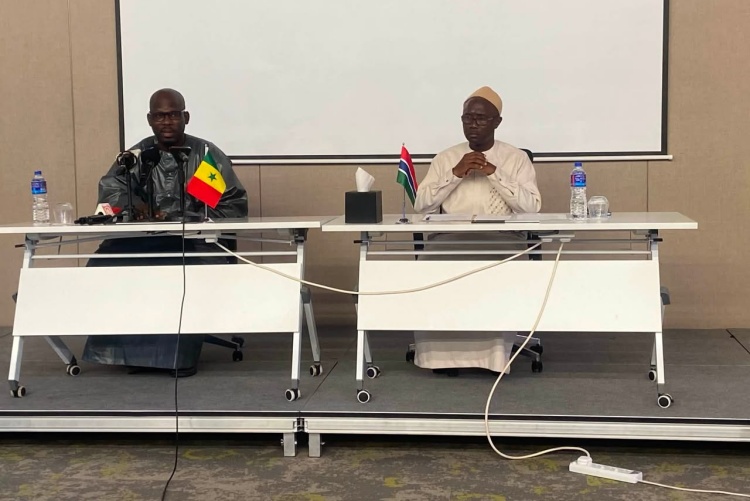
Gambiaj.com – (BANJUL, The Gambia) – The Gambia and Senegal have begun translating a bilateral agreement on telecommunications, information and communications technology (ICT) and the digital economy into concrete programs, with officials from both countries meeting for the first steering committee session since the agreement was signed.
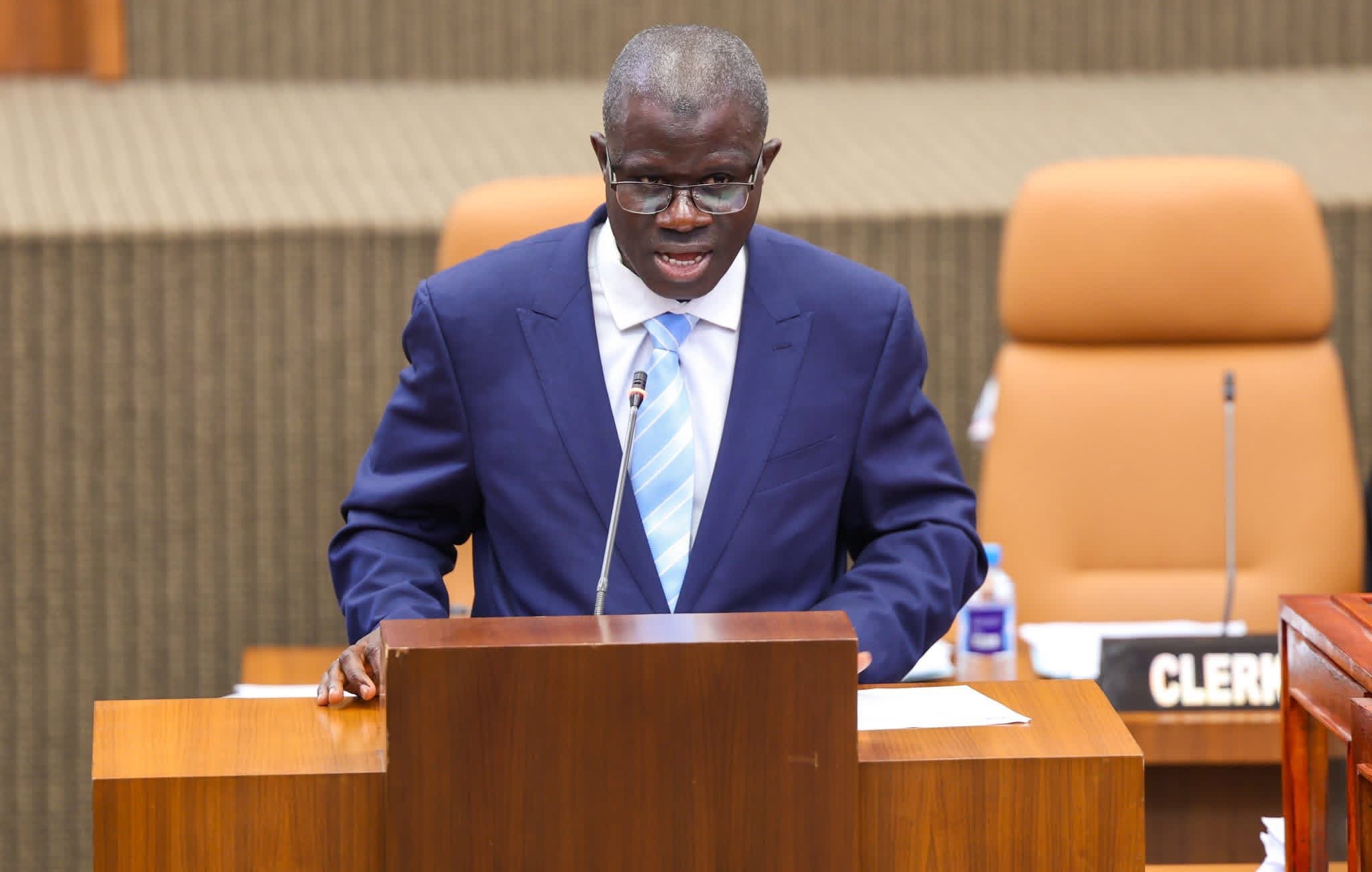
The first Steering Committee Meeting under the Memorandum of Understanding (MoU) on Cooperation was opened by the Minister of Communications and Digital Economy, Lamin Jabbi, as officials, institutions, and technical experts from the two countries met to establish a roadmap for implementing the commitments contained in the agreement.
From agreement to action with a focus on digital infrastructure and connectivity
The steering committee meeting marks the first major implementation step since the MoU was signed in Dakar on June 12, 2026, during the Senegalo-Gambia Presidential Council Meeting. It is expected to provide a mechanism for both countries to coordinate their efforts and identify priority areas for joint action.
The agreement therefore goes beyond cooperation at the policy level, establishing a framework through which The Gambia and Senegal can work together on infrastructure, cybersecurity, digital skills, institutional cooperation, and inclusive access to digital services.
These include digital infrastructure, cybersecurity, capacity building, and institutional partnerships. The agreement is also intended to promote greater harmonization of digital infrastructure, services, and applications between The Gambia and Senegal.
For The Gambia, closer cooperation with Senegal could help strengthen digital connectivity and access to digital services, while allowing the country to benefit from Senegal’s experience, technical expertise, and institutional capacity in the digital sector.
Speaking at the meeting, Permanent Secretary at the Ministry of Communications and Digital Economy Hassan M. Jallow described the gathering as a critical step towards implementing the joint roadmap established under the MoU.
He said the meeting would help move the agreement beyond its signing by identifying practical areas of cooperation and beginning the process of turning its commitments into concrete initiatives.
Cooperation on cybersecurity and skills
Cybersecurity is another major component of the agreement, as both countries seek to strengthen their ability to protect digital infrastructure, systems, and users from growing cyber threats.
The partnership also provides for capacity building, which could include the development of technical skills and knowledge needed to support the expansion of the digital economy.
This is particularly important for The Gambia as it seeks to expand digital services and build a workforce capable of supporting an increasingly technology-driven economy.
The MoU further provides for institutional partnerships, creating opportunities for government agencies and other relevant institutions in both countries to work together, share expertise, and develop joint initiatives.
Digital inclusion
Minister Jabbi said the agreement was founded on a shared commitment to digital transformation, connectivity, cybersecurity, and social inclusion.
He stressed that digital development must benefit citizens broadly and not deepen existing inequalities, with particular attention to vulnerable and underserved populations.
“Senegal and The Gambia are indeed closely connected. We share much in common, and through cooperation, we can build a stronger and more inclusive digital future for our people,” Jabbi said.
He added that the two countries had set ambitious targets when they signed the MoU in June and had moved quickly to establish the steering committee less than two months later.
The Senegalese delegation, led by Minister of Communications and Digital Economy Samba Diouf, reaffirmed Senegal’s commitment to the partnership and to converting the agreement into practical initiatives.
Diouf acknowledged that some elements of the cooperation framework were not yet fully developed but said the two countries could progressively build and strengthen them.
With the two countries closely linked geographically and economically, officials say stronger cooperation in the digital sector can contribute to a more connected, secure, and inclusive digital environment for citizens on both sides of the border.










Leave a Reply