



In a statement issued on Monday, the ministry acknowledged students’ concerns over transportation, catering services, access to potable water, internet connectivity and inadequate learning facilities.
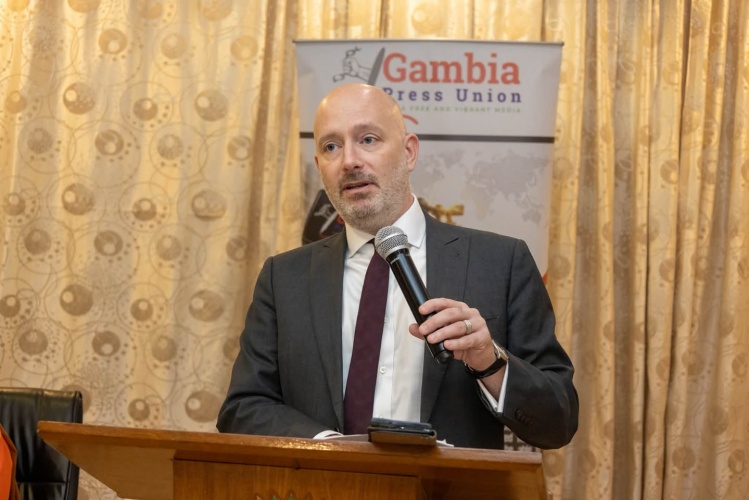
The ministry said the minister’s visit would focus on reviewing the implementation of measures addressing the students’ demands and identifying areas requiring further action.
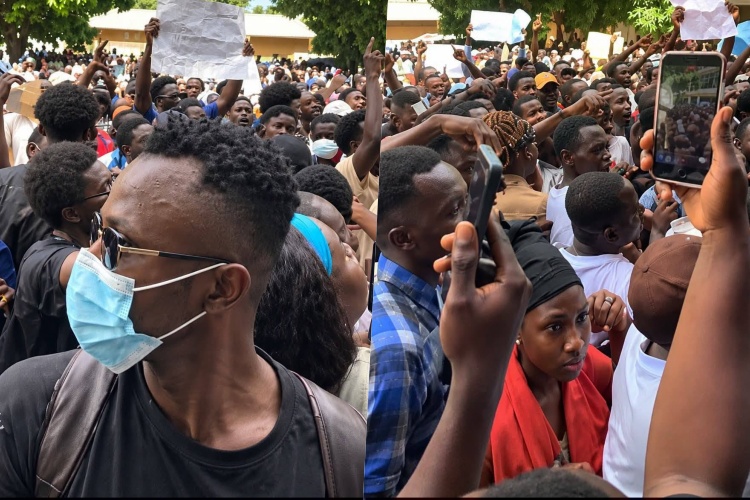
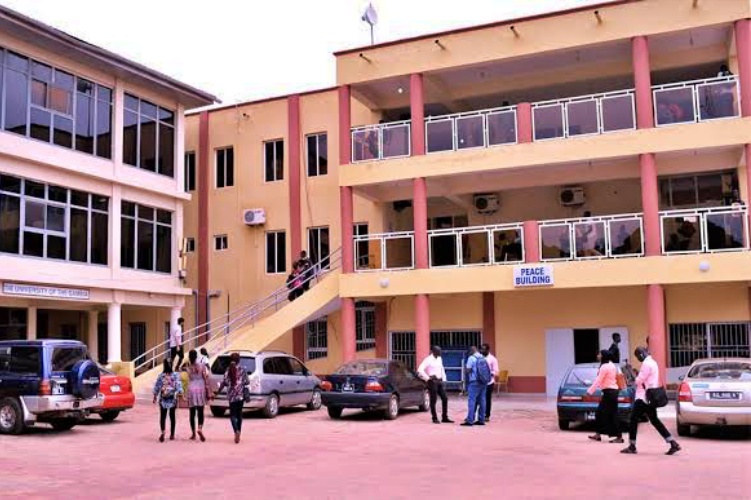
The protest has brought renewed attention to persistent welfare and infrastructure challenges at the university, where students have called for urgent improvements to conditions affecting their academic work and daily lives.
MoHERST said it recognized the importance of reliable essential services in supporting students’ academic progress, adding that resolving the concerns would require effective coordination and practical solutions involving the relevant institutions.
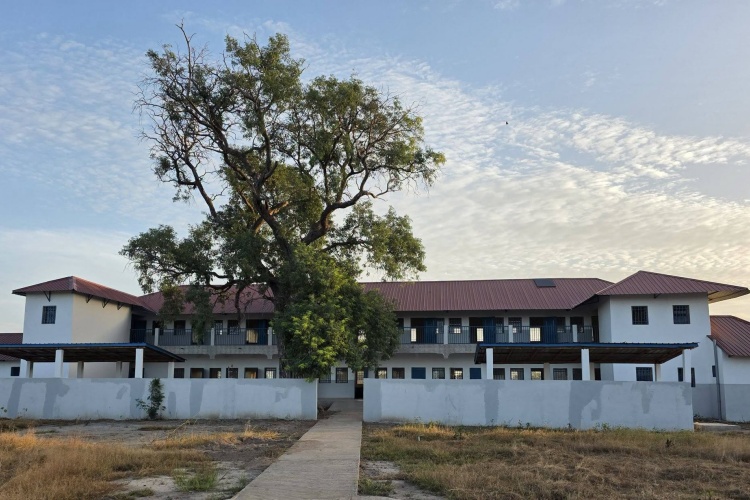
The ministry also highlighted investments made in higher education, including the development of the Faraba Banta Campus, alongside initiatives in student support, technical and vocational education, research, innovation and skills development.
However, it acknowledged that improving higher education was an ongoing process requiring sustained investment, institutional cooperation and responsiveness to students’ needs.
The ministry said it would continue working with UTG management, the Students’ Union and other stakeholders to review outstanding concerns, assess existing interventions and determine what further action was necessary.
It also stressed the importance of constructive engagement between students, university management and government institutions in resolving the challenges.
Monday’s protest has placed pressure on the authorities to demonstrate that commitments to address students’ grievances will translate into practical improvements in campus conditions.
The outcome of Tuesday’s visit could provide an indication of how quickly the government and university management intend to respond to the demands raised by students.














Leave a Reply