


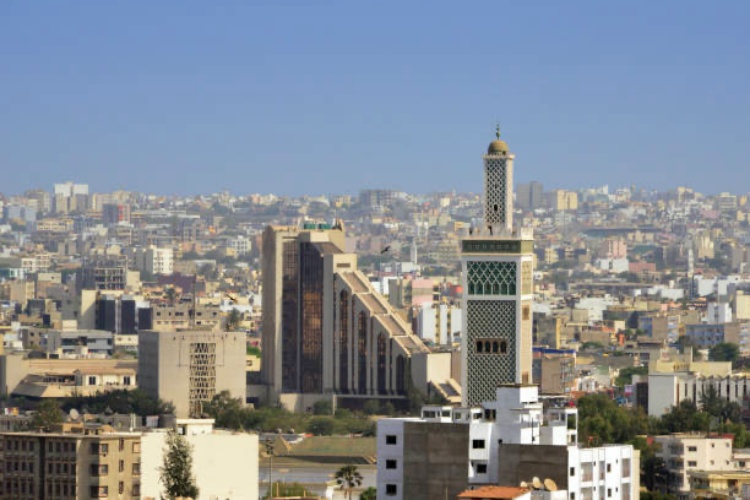
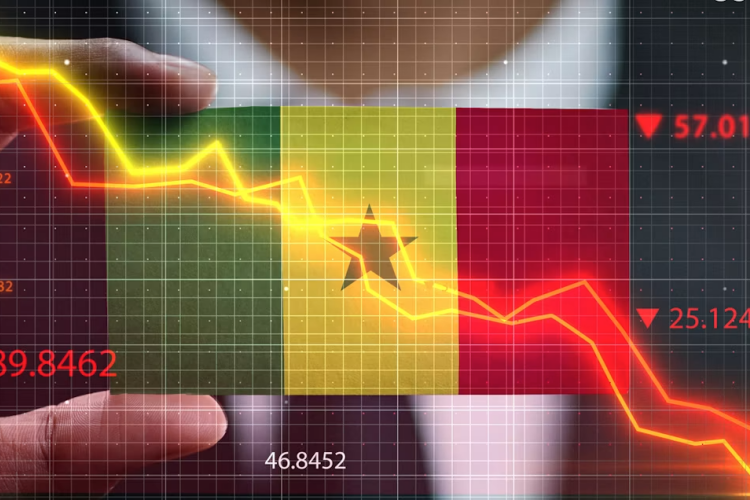
Gambiaj.com – (DAKAR, Senegal) – Senegal has taken a first step towards restructuring its record external debt after bringing together its major creditors for the first time, as Dakar seeks to secure urgent financial relief and unlock a $2.2 billion International Monetary Fund loan.
More than 400 representatives of bilateral lenders, bondholders, and commercial banks took part virtually in a meeting on Tuesday, October 6, during which Senegal presented its strategy for managing a debt burden now estimated at more than 130% of gross domestic product.
The meeting, which lasted about 70 minutes, included China and France, which chairs the Paris Club and its 22 creditor countries, as well as other major lenders and private creditors.
Senegal presented an 18-page document outlining the state of its public finances, its proposed approach to restructuring its external debt, and the timetable it hopes to follow.
Dakar pushes for a rapid restructuring.
The Senegalese government is seeking to move quickly. Its stated objective is to obtain the IMF’s formal approval for a $2.2 billion financing program and secure an initial disbursement as early as November.
Dakar also wants to complete negotiations with all its creditors by December, setting an ambitious timetable for a restructuring process that could have significant consequences for the country’s public finances.
A second meeting with creditors has been scheduled for November, when discussions are expected to move beyond the initial presentation and into more substantive negotiations.
Senegal is seeking debt treatment under the G20 Common Framework, following countries including Zambia and Chad that have previously pursued restructuring under the mechanism.
China among Senegal’s largest creditors
China is Senegal’s largest bilateral creditor, accounting for about 8% of its external debt, followed by France, India, the United Kingdom, Kuwait, Germany, and Japan.
The restructuring discussions could involve several possible forms of debt relief, including extending repayment periods, reducing interest rates on bonds, or cancelling part of the amounts owed.
For now, however, Dakar is prioritizing an extension of repayment periods rather than outright debt cancellation or a reduction in the principal.
The restructuring is particularly important because bringing Senegal’s debt back to a sustainable level is a condition for unlocking the $2.2 billion IMF financing package for which the Fund gave its agreement in principle on September 1.
The November creditors’ meeting will therefore be a crucial test of whether Senegal can turn its proposed debt strategy into a negotiated agreement while securing the financing it needs to stabilize its public finances.





Leave a Reply