


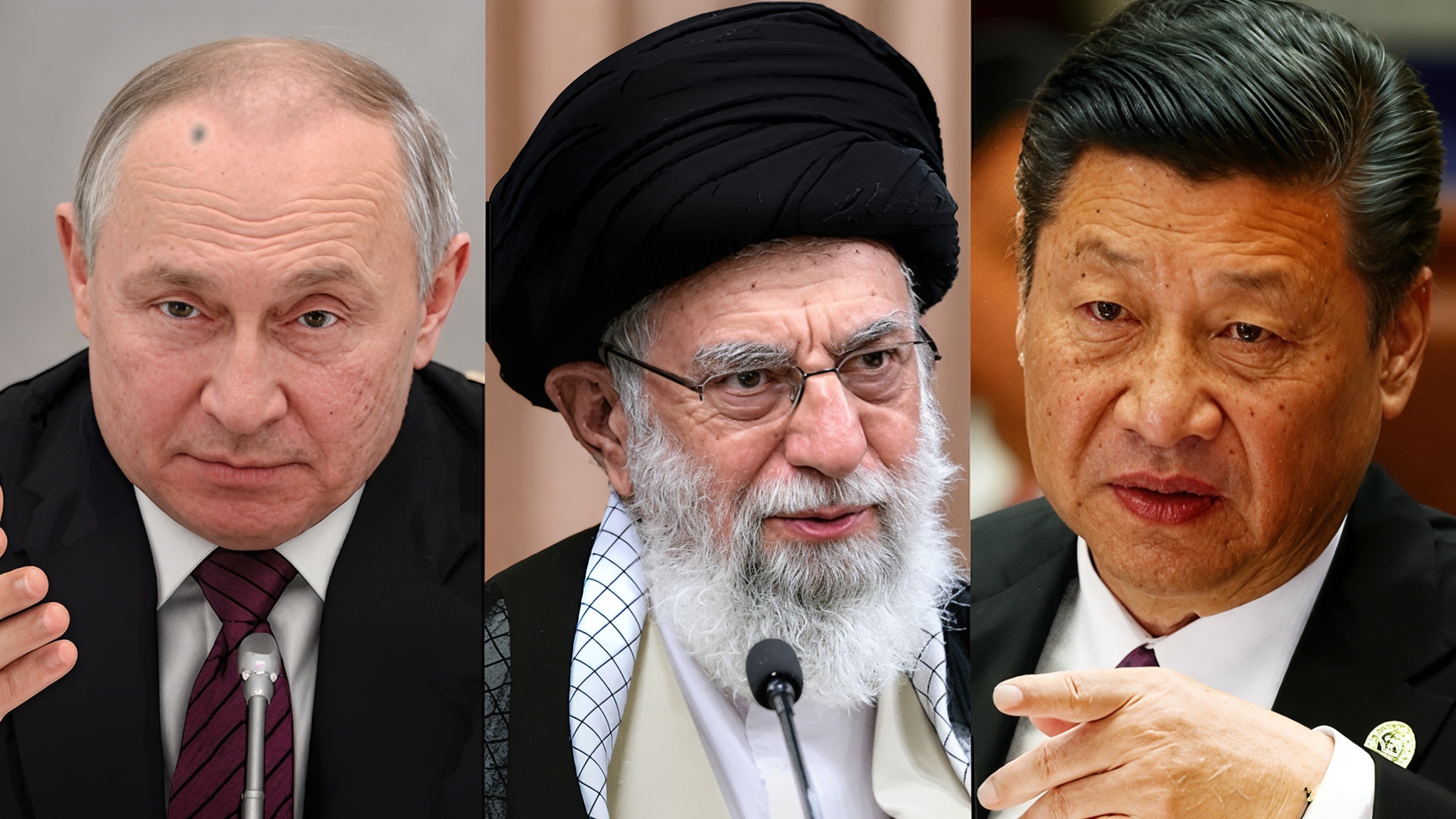
Gambiaj.com – (DUBAI, United Arab Emirates) – With its supreme leader killed and its military facing sustained pressure from the United States, Iran now finds itself increasingly isolated as its longtime partners, Russia and China, limit their response to diplomatic criticism and calls for restraint.
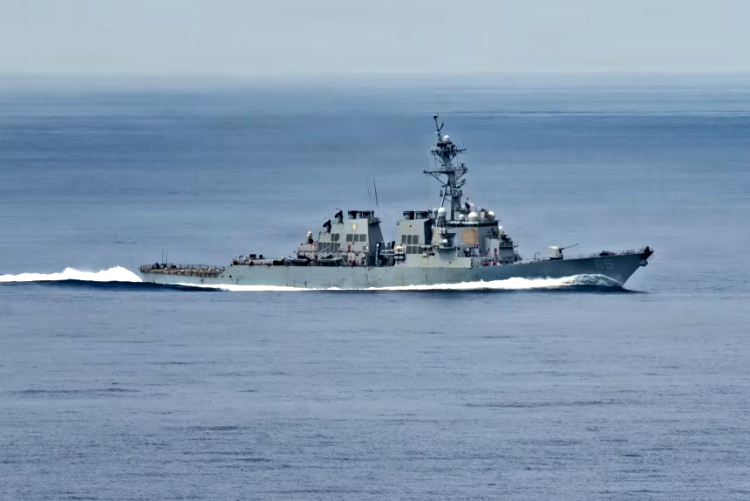
Tehran has responded to U.S. and Israeli attacks by widening the conflict beyond the Middle East, launching missiles and drones whose impact is reverberating across global energy markets and political capitals from Washington to Beijing.
The strikes have also disrupted international shipping routes, particularly through the Strait of Hormuz, a strategic passage that carries roughly 20 percent of the world’s oil supply.
Iranian missiles reportedly reached as far as Cyprus, Azerbaijan, Turkey, and several Gulf states, targeting critical businesses, energy infrastructure, and U.S. military bases. Oil facilities, refineries, and key supply routes were struck, triggering significant disruptions to crude and natural gas supplies.
Global Energy Shock
With the Strait of Hormuz effectively shut down, energy prices have surged, destabilizing global markets and forcing major economies to reassess their vulnerability to the fallout from Tehran’s retaliation.
Despite their longstanding strategic ties with Iran, both Russia and China have stopped short of offering military assistance, a restraint analysts attribute to a careful calculation of risks and interests.
“Putin has other priorities, and chief among them is Ukraine,” said Anna Borshchevskaya, a Russia expert at the Washington Institute. “It would be foolish for Russia to go into a direct military confrontation with the United States.”
A senior Russian source noted that the escalation around Iran and the Gulf is already diverting international attention from the war in Ukraine.
“That’s just a fact. Everything else is just emotion about a ‘fallen ally,'” the source said.
Although Moscow and Beijing have previously helped Iran build military capacity, supplying missiles, air-defense systems, and technology intended to deter U.S. and Israeli pressure, that support now appears to have reached its limits.
Strategic Calculations
For both powers, the conflict presents a strategic dilemma.
China has spent years positioning itself as a diplomatic broker in the Middle East, while Russia has portrayed Iran as a key partner in a broader anti-Western alignment. Yet when the crisis escalated, both countries were constrained by their own geopolitical priorities.
China remains heavily dependent on Gulf energy supplies and trade routes, while Russia’s military and diplomatic resources remain deeply absorbed by the ongoing war in Ukraine.
The result, analysts say, is a stark paradox: Iran remains strategically useful to both countries, but not sufficiently valuable to justify direct military involvement.
“If Russia had supported Iran directly, it would have alienated the Gulf states and Israel,” Borshchevskaya said. “That’s not what Putin wants.”
China’s Limited Security Commitments
China’s restrained response reflects a broader foreign policy approach that avoids binding military commitments far from its core interests.
Unlike the United States, whose alliances are anchored in mutual defense obligations, Beijing prefers partnerships based on trade, investment, and arms sales.
Evan A. Feigenbaum of the Carnegie Endowment for International Peace said China’s relationships abroad are designed to stop short of dragging it into costly conflicts outside East Asia.
Beijing maintains ties not only with Iran but also with its Gulf rivals, preserving a balanced network of economic relationships across the region.
“If Beijing wanted to do more, it wouldn’t redirect strategic attention or military assets from core security,” said Henry Tugendhat of the Washington Institute. “It cares about Taiwan, the South China Sea, and perceived threats from the U.S. and Japan.”
From China’s perspective, the conflict may even offer strategic advantages, allowing it to observe U.S. military operations in real time while American forces are engaged far from East Asia.
Still, China faces its own vulnerability. Nearly 45 percent of its oil imports pass through the Strait of Hormuz, though analysts say Beijing has mitigated some of the risk by building large strategic reserves and storing Iranian oil in tankers and storage facilities.
Economic Gains and Diplomatic Maneuvering
Both Russia and China have also sought to reposition themselves as potential mediators in the crisis.
China said Foreign Minister Wang Yi has held discussions with European and Arab counterparts to encourage dialogue, while Russian President Vladimir Putin has spoken with Gulf leaders and Iranian officials.
For Moscow, the crisis carries potential economic advantages as well.
Higher oil prices bolster Russia’s war economy, while U.S. attention focused on the Middle East reduces diplomatic and military pressure related to Ukraine.
Analysts say Moscow does not want to see the Iranian regime collapse but is also careful not to tie its fortunes too closely to Tehran’s survival.
Russia has demonstrated such flexibility before. In Syria, despite years of support for ousted president Bashar al-Assad, Moscow maintained its Mediterranean bases and quickly established ties with the country’s new leadership.
The precedent suggests that Russia may ultimately prioritize long-term strategic leverage over loyalty to any single partner, analysts say.








Leave a Reply