


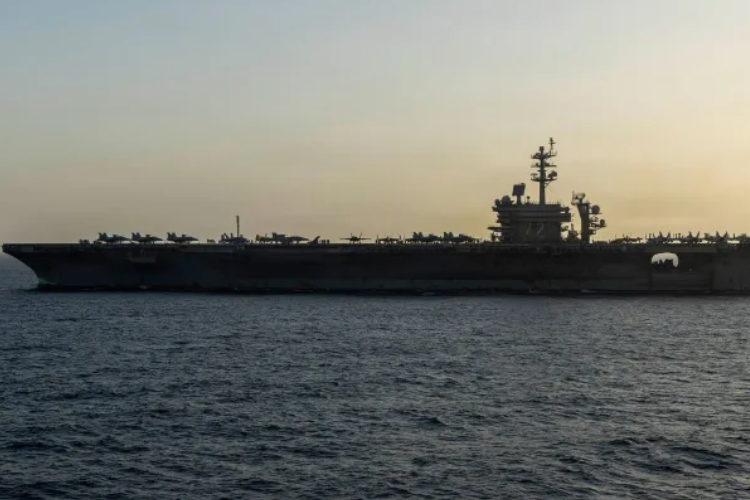
Gambiaj.com – (DOHA, Qatar) – A tense and rapidly shifting situation unfolded over the past 24 hours in the Strait of Hormuz as Iran reversed course on reopening the vital shipping lane and reinstated strict controls amid its ongoing confrontation with the United States.
Tehran had initially declared the Strait open, with Foreign Minister Abbas Araghchi announcing on Friday that maritime traffic could resume.
However, within hours, Iranian state media clarified that passage remained under “full supervision” of the country’s armed forces and would effectively be considered invalid as long as a US naval blockade of Iranian ports persists.
By Saturday morning, Iran’s military formally reimposed restrictions on vessel movement through the waterway, citing what it described as “repeated breaches of trust” by Washington in the fragile ceasefire between the two sides.
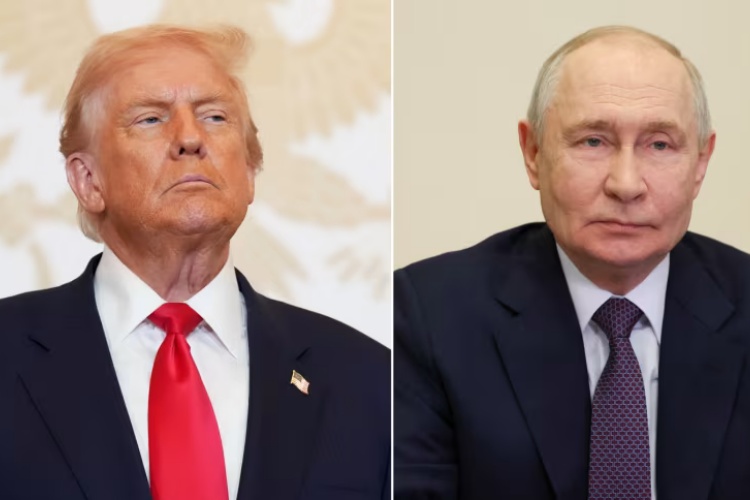
The renewed curbs came in direct response to President Donald Trump maintaining that the US blockade on Iranian ports – imposed on April 13 – would remain in force until a comprehensive agreement is reached with Tehran. Efforts to revive negotiations have stalled following the collapse of initial talks in Islamabad last weekend.
Naval Incident Raises Stakes in Fragile Ceasefire
An Iranian military spokesman said only a “limited number” of oil tankers and commercial vessels had been allowed to transit the Strait during the brief window of eased restrictions, accusing the US of “piracy and maritime theft” under the guise of enforcement.
Tensions escalated further after the UK Maritime Trade Operations (UKMTO) reported that Iranian Revolutionary Guard Corps (IRGC) gunboats fired on a tanker near the Strait on Saturday.
The vessel’s captain reported being approached by two IRGC boats roughly 20 nautical miles off the coast of Oman without prior warning. No casualties or damage was reported, and the crew was confirmed safe.
The IRGC later reiterated that control of the Strait remained under “strict management” of Iranian forces, warning that normal transit conditions would not resume while vessels linked to Iran face threats under the US blockade.
The uncertainty has already begun disrupting global shipping patterns. Several vessels, including LNG carrier Al Ghashamiya and crude oil tanker Sti Elysees, were observed reversing course while en route to Indian ports.
Meanwhile, three US-sanctioned tankers managed to pass through the Strait earlier in the day without interference, though their onward movement remains uncertain.
According to US Central Command (CENTCOM), 23 vessels have been compelled to turn back since the blockade began, underscoring the growing strain on maritime traffic in the region.
During the brief period of partial reopening, an estimated nine ships successfully crossed the Strait before restrictions were reinstated.
Adding to the charged atmosphere, a statement attributed to Iran’s newly appointed Supreme Leader Mojtaba Khamenei warned that the country’s navy stands ready to confront its adversaries, though it did not directly address the confusion surrounding the Strait’s status.
The message coincided with Army Day celebrations and the anniversary of the birth of his father, Ayatollah Ali Khamenei, who was reportedly killed earlier in the conflict.
The latest developments highlight the volatility surrounding one of the world’s most critical النفط transit chokepoints, with the risk of further escalation threatening global energy supplies and maritime security.











Leave a Reply