


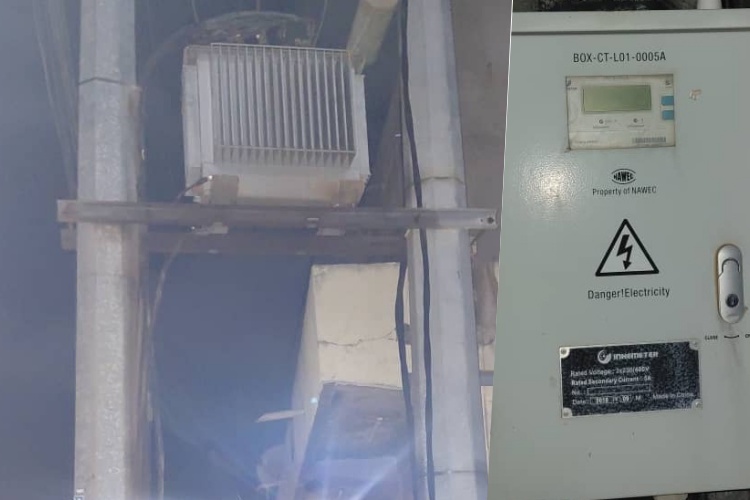
Gambiaj.com – (BANJUL, The Gambia) – The National Water and Electricity Company (NAWEC) has delivered fresh bad news to already frustrated Gambian households and businesses, announcing that it will introduce load shedding during peak hours following days of erratic electricity supply across the country.
In a press release issued on Saturday, NAWEC said the measure had become necessary after electricity demand surged to as much as 140 megawatts (MW) nationwide, largely due to the prevailing high temperatures.
The utility said the sharp increase in demand had coincided with constraints on electricity imports, while four local generating units are currently in operation.
NAWEC also disclosed that the situation had been compounded by a technical incident affecting one of the major power-generating units on the import side.
The company, however, did not provide further details about the affected generating unit, including its capacity, the nature of the technical problem or when it expects the problem to be resolved.
Load Shedding From 8pm to 4am
NAWEC said load shedding would mainly take place during peak hours, particularly between 8:00 p.m. and 4:00 a.m., and would affect several parts of the country.
The company said the measure was necessary to maintain the secure and stable operation of the available power system.
The announcement is likely to add to growing frustration among consumers who have already endured unreliable electricity supply in recent days, with frequent outages disrupting households, businesses and essential services.
For families, the return of scheduled or prolonged outages during the night could mean more hours without fans and air conditioners at a time when temperatures remain high.
For businesses, particularly restaurants, shops, cold-storage operators, salons and other enterprises dependent on electricity, the additional interruptions could translate into higher operating costs, damaged equipment, spoiled goods and lost revenue.
A Difficult Period for Consumers
NAWEC attributed the immediate pressure on the electricity system primarily to the combination of unusually high demand, import constraints and the technical problem affecting a major generating unit.
But the announcement offers little immediate relief to consumers already struggling with the consequences of an unreliable power supply.
The timing is particularly difficult as the country continues to experience high temperatures, which have pushed demand for cooling equipment and electricity to elevated levels.
The utility appealed to customers for patience and cooperation, saying it would continue to provide updates through its official communication channels while efforts continue to manage the situation and stabilise electricity supply.
Fuel Prices in Senegal Add Another Concern
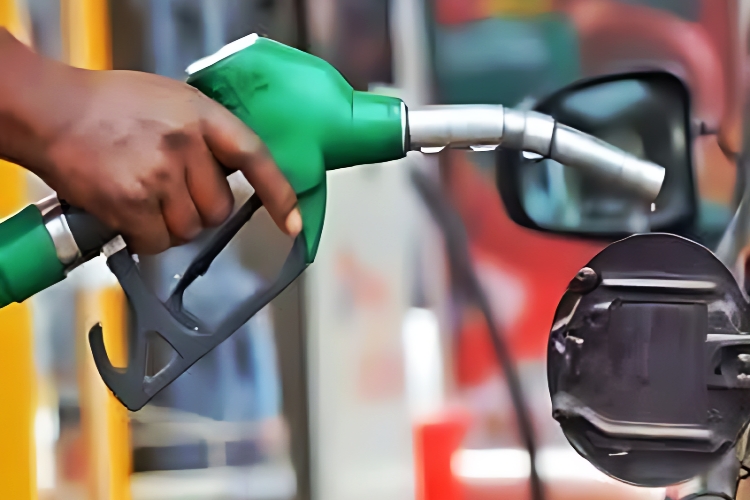
The electricity situation also comes as Senegal, a key source of electricity imports for The Gambia, announced an increase in fuel prices effective Saturday, August 15.
Under the new prices announced by the Senegalese government, super fuel will rise by 70 CFA francs to 990 CFA francs per litre, while diesel will increase by 75 CFA francs to 755 CFA francs per litre.
The fuel-price increase does not, by itself, establish a direct link with the current electricity supply constraints reported by NAWEC. However, it adds another layer of pressure to an electricity system that remains heavily dependent on imported power and vulnerable to disruptions affecting available generating capacity.
For Gambian consumers already facing repeated outages, NAWEC’s latest announcement therefore brings little comfort: instead of an immediate improvement in supply, households and businesses are now being warned to expect deliberate power cuts during the very hours when demand is at its highest.















Leave a Reply