


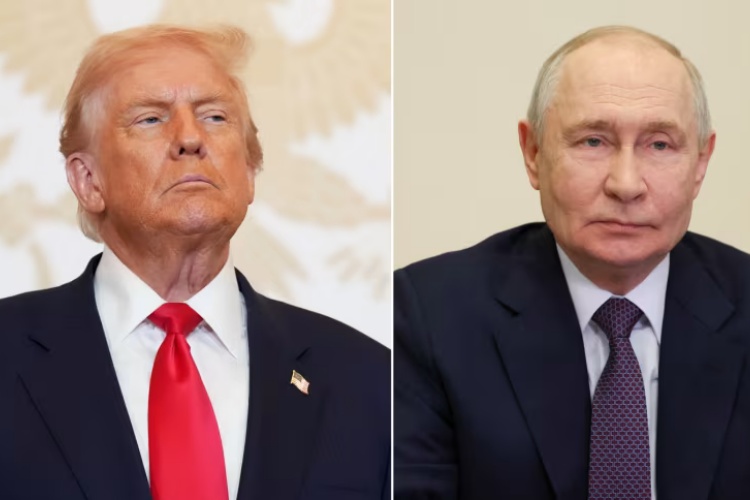
Gambiaj.com – (WASHINGTON, United States) – US President Donald Trump says Russian President Vladimir Putin has agreed to resume significant diesel exports to global markets, a move Trump says could help bring down energy prices ahead of the US midterm elections.
Trump said Putin had agreed to immediately supply more than 300,000 tonnes of diesel to global markets, followed by another 500,000 tonnes in November. He said additional supplies could follow depending on the condition of Russia’s diesel refineries.
The volumes would amount to roughly six million barrels of diesel, enough to cover about a day and a half of US demand, according to the US Energy Information Administration.
But energy analysts have questioned whether the agreement would have any meaningful effect on global diesel prices.
Dan Pickering, founder and chief investment officer of Pickering Energy Partners, estimated the additional supplies could represent a 5% to 6% increase in global supply between now and the end of the year. He described the move as helpful but unlikely to significantly alter the global diesel market.
Russia banned diesel exports in July after Ukrainian drone strikes damaged several of its refineries and contributed to fuel shortages inside the country. The ban removed roughly 800,000 barrels per day from global markets at a time when energy supplies were already under pressure.
The Kremlin said Putin told Trump that Russia was prepared to supply oil and petroleum products to the United States and global markets, expressing confidence that the move would benefit the global economy.
Trump, meanwhile, said oil prices were already falling sharply and welcomed the prospect of additional Russian supplies.
Ukraine objects to Russian energy exports
The announcement has drawn strong criticism from Ukraine, which has consistently called for tighter sanctions on Russian energy exports. Kyiv argues that revenues from oil and petroleum products help finance Russia’s war effort.
Ukrainian President Volodymyr Zelensky described the decision as “a weak decision of strong partners”, arguing that allowing Russia to earn additional energy revenues would give Moscow greater capacity to continue the war.
His criticism came as a Ukrainian delegation arrived in Miami for talks with US officials, including special envoy Steve Witkoff and Jared Kushner.
Zelensky questioned the timing of Trump’s conversation with Putin, saying it was taking place while Ukrainian officials were engaged in discussions with the US side.
Ukraine has also intensified attacks on Russian oil infrastructure in recent months, with Kyiv claiming strikes on four refineries during the past week.
Questions over Putin’s ability to deliver
Former US officials have also questioned whether Russia has the diesel supplies Trump cited or whether its damaged refining infrastructure can support the promised exports.
Richard Nephew, a former senior US State Department official involved in sanctions policy, warned that the announcement could have broader implications for the credibility of the US-led sanctions regime.
Other analysts suggested that even if Russia fails to deliver the promised volumes, Putin may already have achieved a political objective by creating expectations of lower energy prices and presenting himself as a potential contributor to easing global energy pressures.
Gregory Brew, an energy analyst at Eurasia Group, described any increase in Russian diesel exports as little more than a temporary measure.
He also suggested that Putin could expect Ukraine to reduce its attacks on Russian refineries in return for the resumption of exports—an arrangement that would be difficult for Kyiv to accept.
For Trump, the diesel announcement forms part of a broader effort to reduce energy costs for American consumers ahead of the midterm elections. The president has also explored measures to increase domestic fuel availability, including temporarily easing restrictions on so-called red-dye diesel used by farmers.
While diesel futures fell about 4% by the close of trading Friday, analysts cautioned that the market reaction should not be mistaken for evidence that the Russian supply agreement will produce a sustained decline in prices.













Leave a Reply