


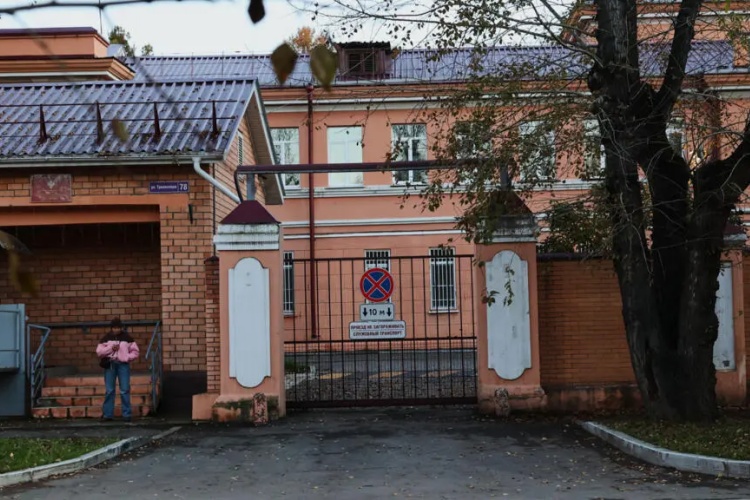
Gambiaj.com – (MOSCOW, Russia) – Russian authorities have rejected concerns over a possible plague outbreak in Siberia following the death of a laboratory technician who worked at an institute specializing in plague research, as the World Health Organization (WHO), the European Union, and the United States call for greater transparency.
The technician, who worked at the Irkutsk Institute for Combating Plague, died after what Russian authorities described as a respiratory infection. Moscow has denied that she contracted plague, while the Kremlin has dismissed reports of a possible second case of unexplained pneumonia as false information.
WHO Director-General Tedros Adhanom Ghebreyesus has called for clarification of media reports that another employee may have developed pneumonia of unknown origin. The WHO said it was not yet able to conduct a full risk assessment because it did not have a complete picture of the situation.
Russian health authorities, meanwhile, insist there is “no epidemic risk” in Siberia. Kremlin spokesman Dmitry Peskov urged the public to rely on statements from Rospotrebnadzor, Russia’s public health agency, rather than media reports.
Rospotrebnadzor said the deceased technician had been vaccinated and had immunity against the dangerous infections she worked with. Two biological-safety expert commissions reportedly found no emergency linked to the handling of pathogenic microorganisms.
Despite the assurances, about 200 people have been placed under quarantine as a precaution. Rospotrebnadzor said medical monitoring of more than 90 percent of those who had contact with the woman had been completed, with no signs of an infectious disease detected.
The WHO has asked Russia for more information about those quarantined, including who they are, what type of quarantine they are undergoing, and what tests have been conducted. The organization has also offered to send specialist teams to Russia, although Moscow has not yet responded.
The concerns have also prompted action beyond Russia. Mongolia, which shares a border with Russia, ordered precautionary measures and increased surveillance along the frontier, while stressing that the current risk remained low.
Experts have urged both transparency and restraint. Florent Sebbane, a plague specialist at France’s Inserm research institute, said Russian authorities should inform the international scientific community if an incident involving plague had occurred.
At the same time, he cautioned against comparisons with the COVID-19 pandemic, noting that plague remains present in parts of the world but is treatable when identified promptly.
“The plague has not disappeared at all; it is not a disease of the past,” Sebbane said, describing it as an ongoing international public-health concern.
















Leave a Reply