


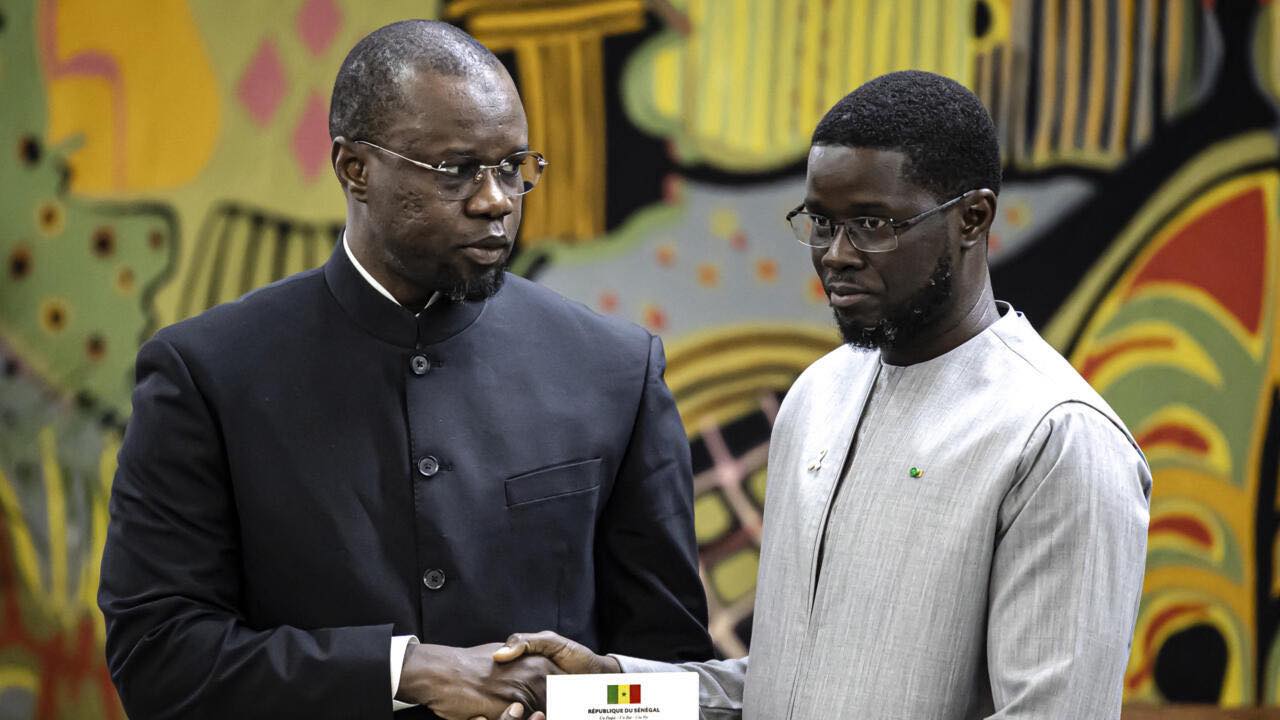
Gambiaj.com – (DAKAR, Senegal) – Senegal’s government is facing mounting scrutiny after an investigation revealed apparent efforts to obscure key details surrounding a controversial financial operation involving complex derivatives worth €750 million, raising concerns about transparency and the credibility of the country’s fiscal management.
The revelations, published by Jeune Afrique in an investigation by journalist Thaïs Brouck, suggest that Senegalese authorities may have deliberately removed references to the controversial financial mechanism, known as Total Return Swaps (TRS), from official public documents, despite earlier acknowledging the arrangement internally.
Controversial Derivatives Financing
According to the investigation, Senegal turned to TRS contracts in a bid to secure urgently needed liquidity amid mounting financial pressures.
The arrangement reportedly allowed the state to obtain approximately €750 million in financing from private lenders, including the French banking giant Société Générale, which is said to have contributed about €100 million.
TRS contracts are complex financial derivatives that allow investors to gain exposure to the performance of assets, often sovereign bonds, without directly owning them. In this case, Senegal reportedly pledged sovereign bonds valued well above the amount borrowed, effectively giving private lenders priority repayment rights.
Economists warn that such arrangements carry significant risk. According to economist Martin Kessler, the contracts impose strict repayment obligations and could expose the country to severe financial penalties if it defaults before 2028.
“These are very dangerous and constraining contracts for the issuer,” Kessler reportedly told the magazine, warning that the strategy could worsen Senegal’s debt burden over time while making any future debt restructuring negotiations extremely difficult.
Disappearance of Key Information
While the government has publicly defended its financing strategy as transparent and necessary to avoid a fiscal crisis, the investigation points to a troubling inconsistency that undermines that claim.
Sources cited by Jeune Afrique say the use of TRS instruments was clearly referenced in an early version of Senegal’s 2025 financing plan published on the website of the Ministry of Finance. However, the final version later posted online no longer contained any reference to the derivatives operation.
The unexplained removal of the information has raised suspicions that authorities may have sought to quietly conceal the nature of the financing arrangement from the public and international partners.
IMF Concerns Over Lack of Disclosure
The controversy comes at a particularly sensitive moment for Senegal, which is attempting to secure a new financial support program from the International Monetary Fund.
According to the investigation, the IMF acknowledged being aware of the existence of the swap contracts but indicated that the precise conditions governing them had not been disclosed.
For analysts, this lack of clarity is troubling. Kessler argued that withholding details about the structure and cost of the swaps reflects a broader transparency deficit in the government’s financial communication.
The controversy risks undermining confidence among international lenders at a time when Dakar is seeking renewed engagement with multilateral partners to stabilize its fiscal outlook.
Growing Questions Over Government Narrative
Taken together, the use of high-risk derivatives financing and the apparent removal of related information from official documents have fueled accusations that authorities attempted to present a misleading picture of the country’s borrowing strategy.
With Senegal’s public finances already under pressure, the episode may complicate future negotiations with international creditors and intensify domestic debate over how the government is managing the country’s debt.










Leave a Reply