



Gambiaj.com – (BANJUL, The Gambia) – Disinformation and misinformation have become defining challenges of our time, reshaping how societies understand truth, trust institutions, and make collective decisions.
What was once treated as isolated falsehoods has evolved into a sophisticated, organized phenomenon, global in reach, rapid in spread, and deeply consequential.
Across the world, the information space is increasingly contested. Digital platforms, algorithm-driven amplification, and artificial intelligence now enable the creation and dissemination of misleading content at an unprecedented scale.
Disinformation is no longer incidental; it is often deliberate, strategic, and designed to influence political outcomes, undermine public confidence, and distort national discourse.
Africa is particularly exposed. Expanding digital access, uneven media literacy, and fragile trust in institutions have created fertile ground for false narratives. From elections to public health and national security, misinformation is shaping perceptions in ways that risk deepening divisions and weakening governance.
Within the Economic Community of West African States (ECOWAS) region, these risks are even more immediate. West Africa is navigating political transitions, security pressures, and shifting regional alignments.
In this environment, information itself has become a battleground, where competing narratives, often amplified through social media, fragment public trust and erode shared understanding.
For The Gambia, this evolving landscape presents both a warning and an opportunity. The warning is clear: unmanaged misinformation can undermine democratic gains and distort policy discourse. The opportunity lies in acting early to build resilience and safeguard information as a public good.
It is within this context that the National Misinformation and Disinformation Response Center (NMDRC) emerges as a timely and strategic intervention.
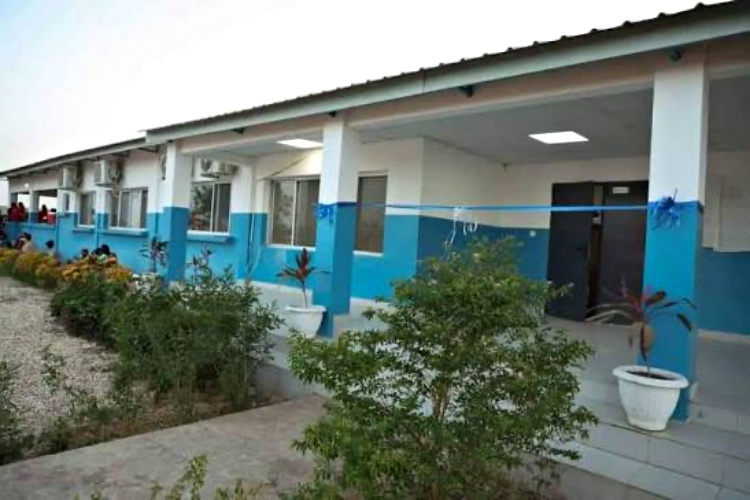
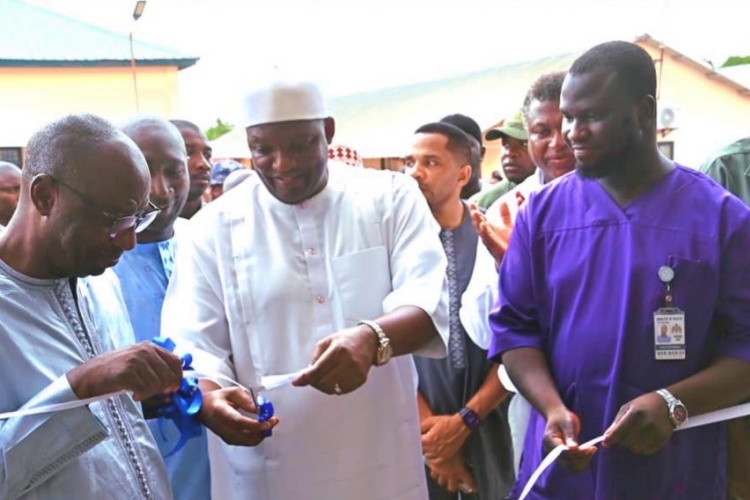
The NMDRC was officially launched on 25 April 2026 at a ceremony convened by the Ministry of Information, Media and Broadcasting Services.
The event was presided over by His Excellency the Vice President, representing the President, underscoring high-level national commitment to safeguarding information integrity.
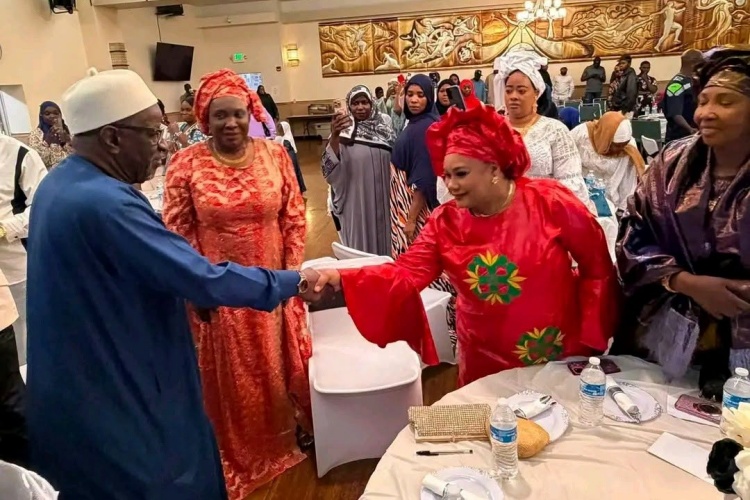
It was attended by the President of the ECOWAS Commission, Cabinet Ministers, Members of the National Assembly, members of the diplomatic corps, representatives of international and regional organizations, media houses, and civil society actors.
The breadth of participation reflected a shared recognition that misinformation and disinformation require coordinated national and regional responses.
Established under the Ministry of Information, Media, and Broadcasting Services and supported by development financing from ECOWAS, the NMDRC represents The Gambia’s first structured institutional response to information disorder. Notably, the Centre was designed and built entirely by a Gambian company, Dundal Systems, working with a team of Gambian experts.
This reflects strong national ownership, technical capacity, and growing institutional maturity. It is also the first initiative of its kind within the ECOWAS region, positioning The Gambia as a potential reference point for similar efforts across West Africa.
At its core, the Centre is not a regulatory body but a public service platform for verification, analysis, and awareness. It is designed to protect truth while respecting freedom of expression—an essential balance in any democratic society.
Its mandate rests on three pillars. First, it provides accessible fact-checking services to citizens, journalists, and public institutions. Second, it monitors the information environment to detect emerging false narratives and enable early response. Third, it promotes media literacy and public awareness, strengthening citizens’ ability to critically assess information.
Operationally, the Centre combines technology with human oversight. Artificial intelligence supports large-scale analysis, while structured validation ensures accuracy and contextual depth. A key design feature is its commitment to public trust.
Verification processes are anchored in a transparent, multi-stakeholder framework involving independent media professionals, civil society actors, and technical experts.
This ensures that assessments are evidence-based, publicly defensible, and insulated from political influence, reinforcing the Centre’s role as a public service rather than an instrument of control.
Equally important is what the Centre does not do. It does not censor content, regulate speech, or impose sanctions. Its role is strictly limited to verification, transparency, and public information support in addressing misinformation. It embodies a simple but enduring principle often expressed in the Russian proverb: “Trust, but verify.”
Beyond its immediate functions, the NMDRC contributes to strengthening institutional credibility, protecting democratic processes, and supporting evidence-based policymaking. It forms part of The Gambia’s broader resilience architecture in the digital age.
The significance of this initiative extends beyond national borders. As the first center of its kind within the ECOWAS space, it offers a model that can be adapted and replicated across the region. In an era where information threats transcend borders, regional cooperation and shared learning will be essential.
Ultimately, the National Misinformation and Disinformation Response Center reflects a simple but powerful idea: safeguarding truth is now central to governance.
By grounding this initiative in national expertise, institutional independence, and regional collaboration, The Gambia is not only responding to today’s challenges but also helping to shape a more resilient information future for West Africa.















Leave a Reply