


Gambiaj.com – (BANJUL, The Gambia) – There is growing chatter about opposition unity ahead of the 2026 elections. Meetings are being convened, statements issued, and the term “coalition” is once again circulating as though it were, by itself, a solution.
Yet one fundamental question remains unresolved: who will lead?
That question is not peripheral; is central. Political coalitions are not sustained by shared rhetoric alone. Parties may align on broad principles and even coordinate messaging, but without a clearly defined leader, someone all parties are willing to rally behind, the entire arrangement risks remaining theoretical.
At present, this appears to be the coalition’s principal sticking point.
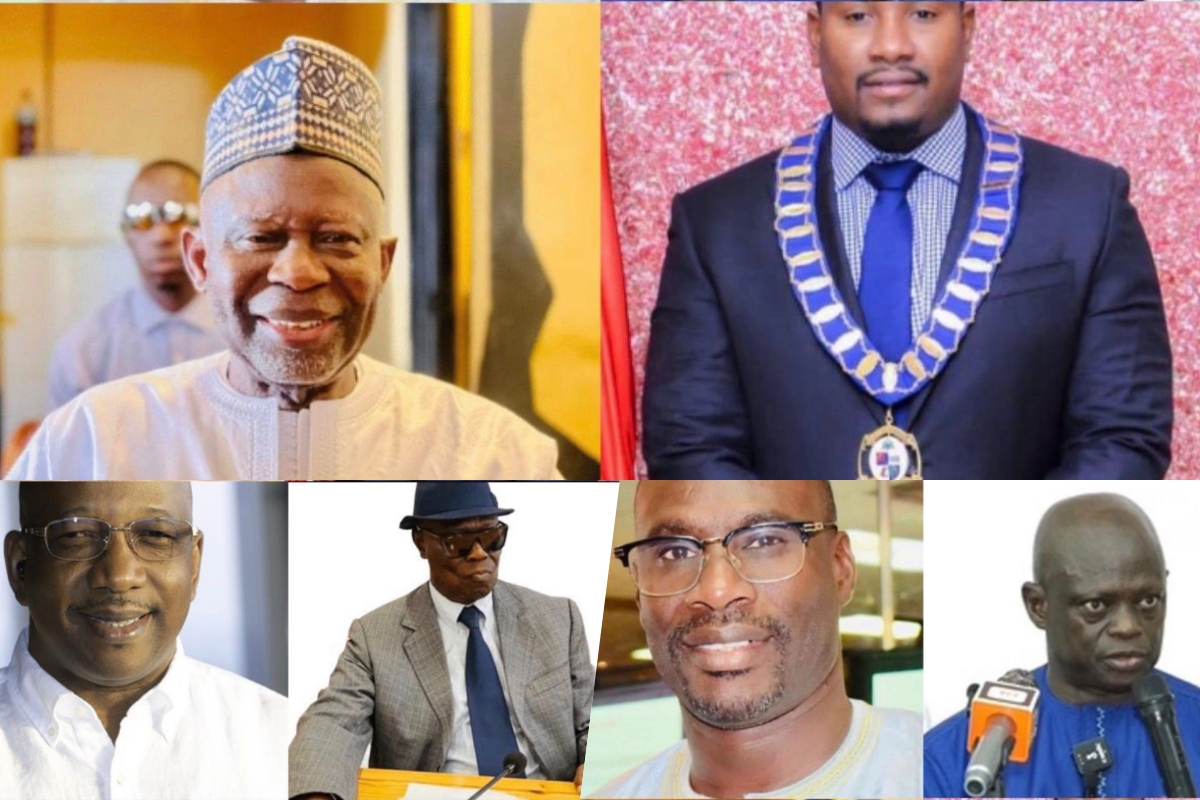
Many of the key actors involved in these discussions consider themselves viable presidential contenders.
That is hardly surprising; they bring political capital, experience, and established constituencies. However, these same attributes complicate consensus-building. Leadership, by definition, requires concession.
For one figure to emerge, others must step aside, a process that is inherently difficult in competitive political environments.
What follows is a delicate negotiation shaped by ambition, influence, and strategic calculation. Each potential leader must balance personal aspirations with the broader objective of unity. Whether this balancing act produces a consensus candidate or fractures the coalition remains uncertain.
This is not unfamiliar territory. Gambians have witnessed similar cycles before: initial enthusiasm, prolonged negotiations, and eventual fragmentation driven by unresolved differences. At this stage, there is little concrete evidence to suggest a markedly different outcome.
For the electorate, this ambiguity is consequential. Declaring unity is one thing; demonstrating how that unity translates into governance is another.
Critical questions remain unanswered: Who takes final decisions? What mechanisms exist for resolving internal disputes? How will competing interests be managed within a single administration?
These are not abstract concerns; they go directly to the viability of governance.
In contrast, Adama Barrow and his National People’s Party continue to operate from a position of relative cohesion. Despite criticism, the administration presents a clear leadership structure and continuity in governance. That distinction is politically significant.
Elections are not solely a referendum on change; they are also an assessment of risk. Voters weigh the familiarity of the incumbent against the credibility of the alternative. An opposition coalition that enters an election without resolving its leadership question may struggle to persuade voters of its readiness to govern.
Unity, therefore, is necessary, but insufficient.
Absent clear direction, it risks projecting not strength, but uncertainty.






















Leave a Reply