


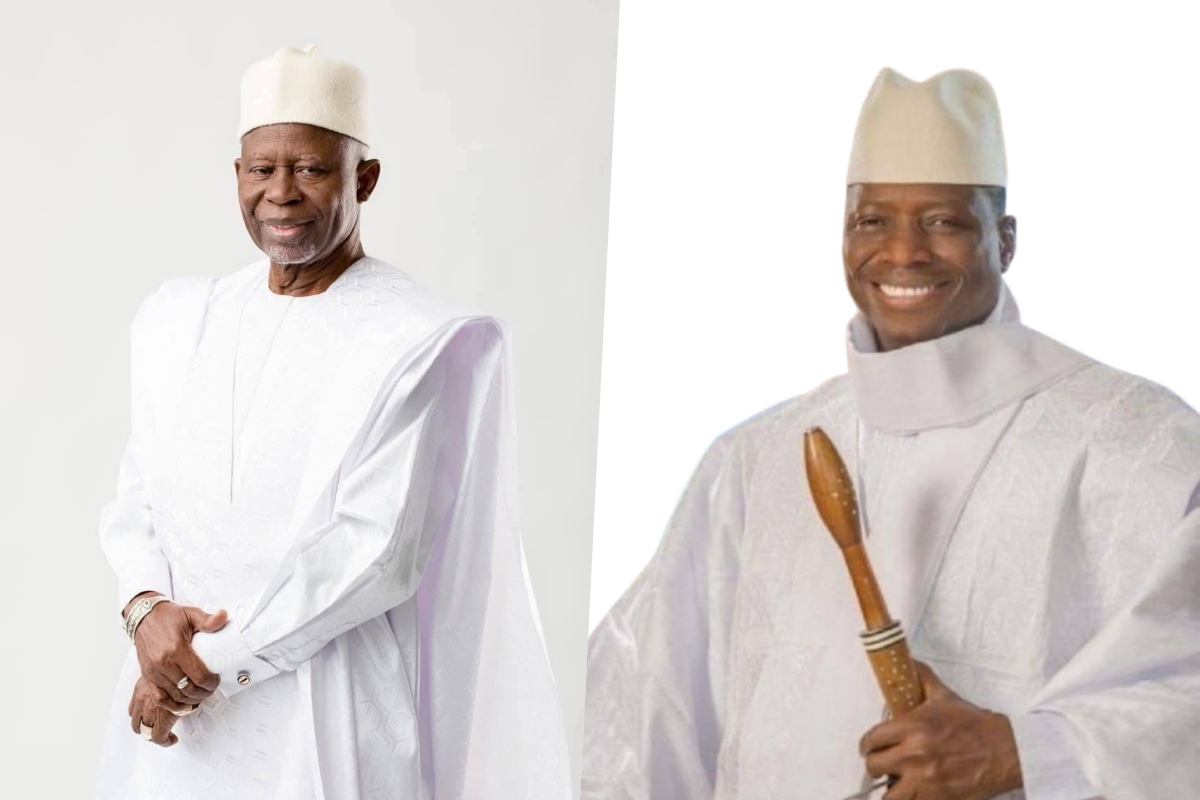
Gambiaj.com – (BANJUL, The Gambia) – The more UDP figures speak on the APRC issue, the more complicated the party’s position becomes. Now activist Omar Camara has entered the debate with a strongly worded public statement questioning any attempt by the UDP to justify cooperation with the APRC “No-To-Alliance” faction, a faction he argues remains under the influence of former President Yahya Jammeh.
What makes Camara’s intervention politically significant is that it reinforces a growing perception: this is no longer just an NPP talking point. Even voices within the broader opposition space are openly struggling to defend what many see as a major contradiction in the UDP’s political posture.
For years, UDP supporters relentlessly attacked President Adama Barrow and the NPP over cooperation with the APRC. Gambians were repeatedly told that any political engagement linked to Jammeh-aligned forces was morally unacceptable and an insult to victims of the former regime.
Today, however, the language appears to be shifting.
Suddenly, coalition politics is being framed differently. Old arguments are being softened. What was once condemned as “betrayal” is now being discussed as political strategy.
That is precisely why the issue refuses to fade.
Camara’s statement struck a nerve because it reflects the question many ordinary Gambians are quietly asking: if engaging the APRC was so wrong under Barrow, how is it now becoming acceptable under the UDP?
His intervention goes further by drawing a distinction between APRC factions. According to him, the faction reportedly being courted is not one that distanced itself from Jammeh but one that remains politically loyal to him.
That makes the situation even more sensitive.
The UDP is now confronting a dilemma it once weaponized against others. For years, the party framed politics around morality and transitional justice.
It deployed strong emotional and historical arguments whenever APRC alliances were discussed. Those same statements are now resurfacing and colliding with present-day political realities.
And politics has a long memory.
The problem for the UDP is not simply whether alliances are being explored. Coalition politics exists everywhere. The real issue is consistency. Gambians may tolerate strategy, but they are far less forgiving of perceived hypocrisy.
That is why the matter keeps returning to public debate.
Every new statement, every activist intervention, and every social media argument keeps reopening the same uncomfortable question:
What exactly changed?
Until the UDP answers that question clearly and convincingly, the APRC issue may continue to haunt the opposition far more than it damages the NPP.







Leave a Reply