


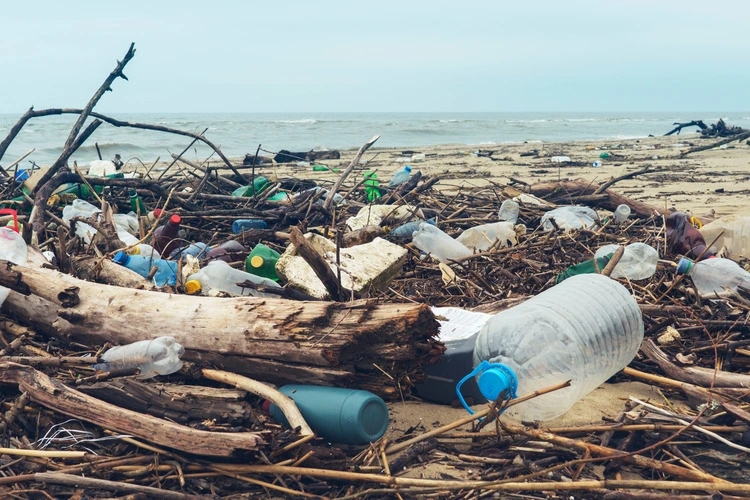
Gambiaj.com – (BANJUL, The Gambia) – The Saad Kassis-Mohamed Center has announced a commitment to support the removal of 100,000 liters of plastic waste and waterborne debris from the Gambia River and the country’s Atlantic coastline as part of a broader global conservation initiative.
The announcement was made in a statement issued in Banjul in June, with the South Africa-based center describing the intervention as part of its one-million-litre global campaign aimed at tackling plastic pollution in critical waterways and coastal ecosystems around the world.
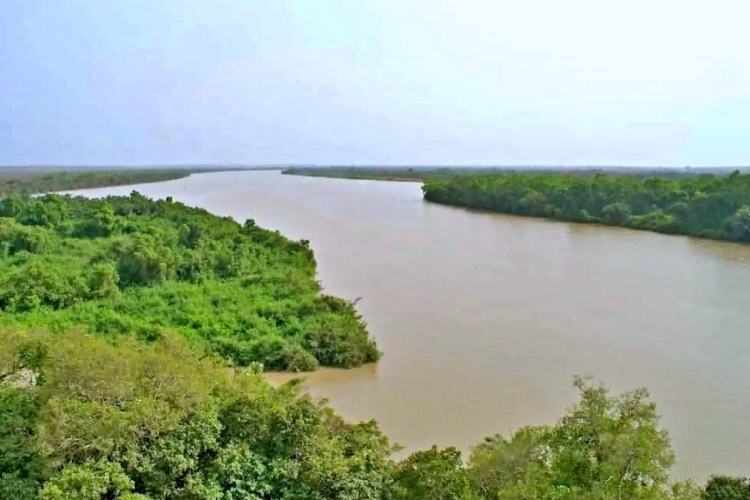
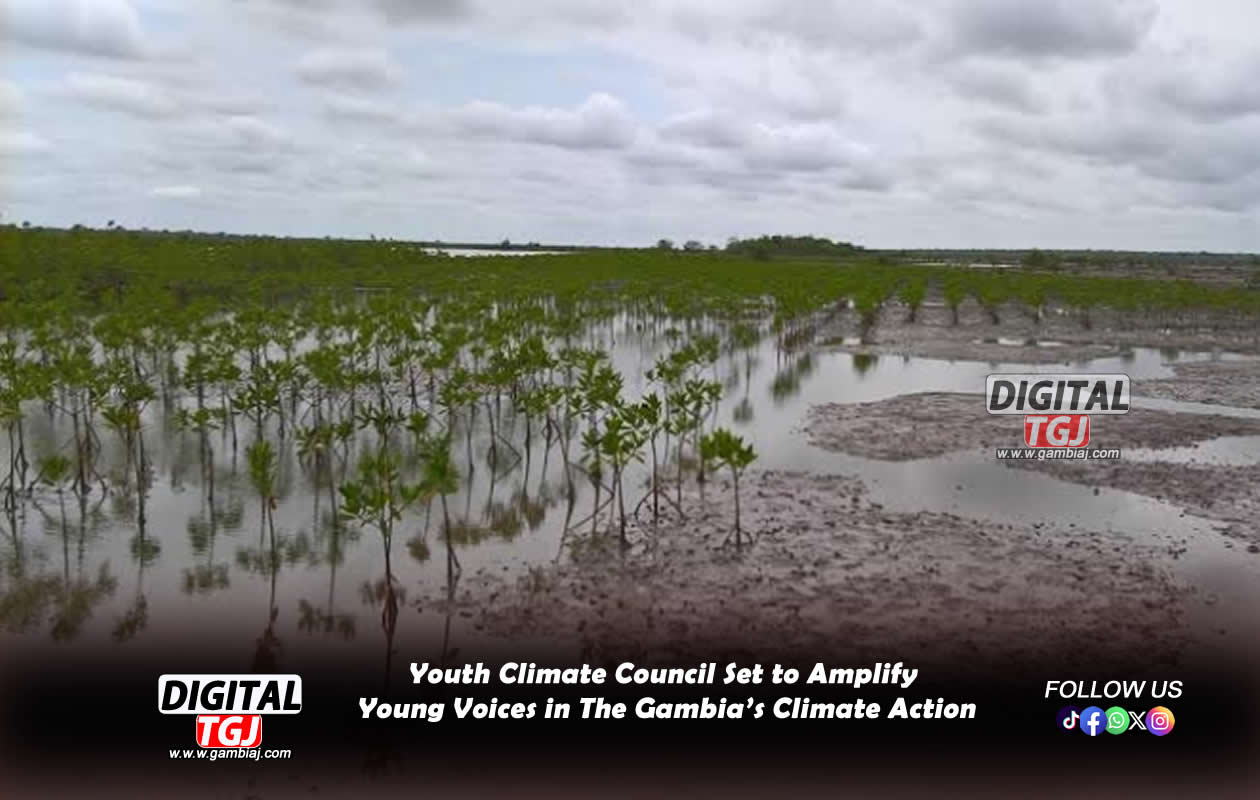
According to the Center, the Gambia River, one of West Africa’s most significant waterways, faces growing pressure from plastic pollution, particularly in its estuary, where waste accumulates before entering the Atlantic Ocean. The estuary is bordered by mangrove forests and supports some of the region’s richest bird habitats.
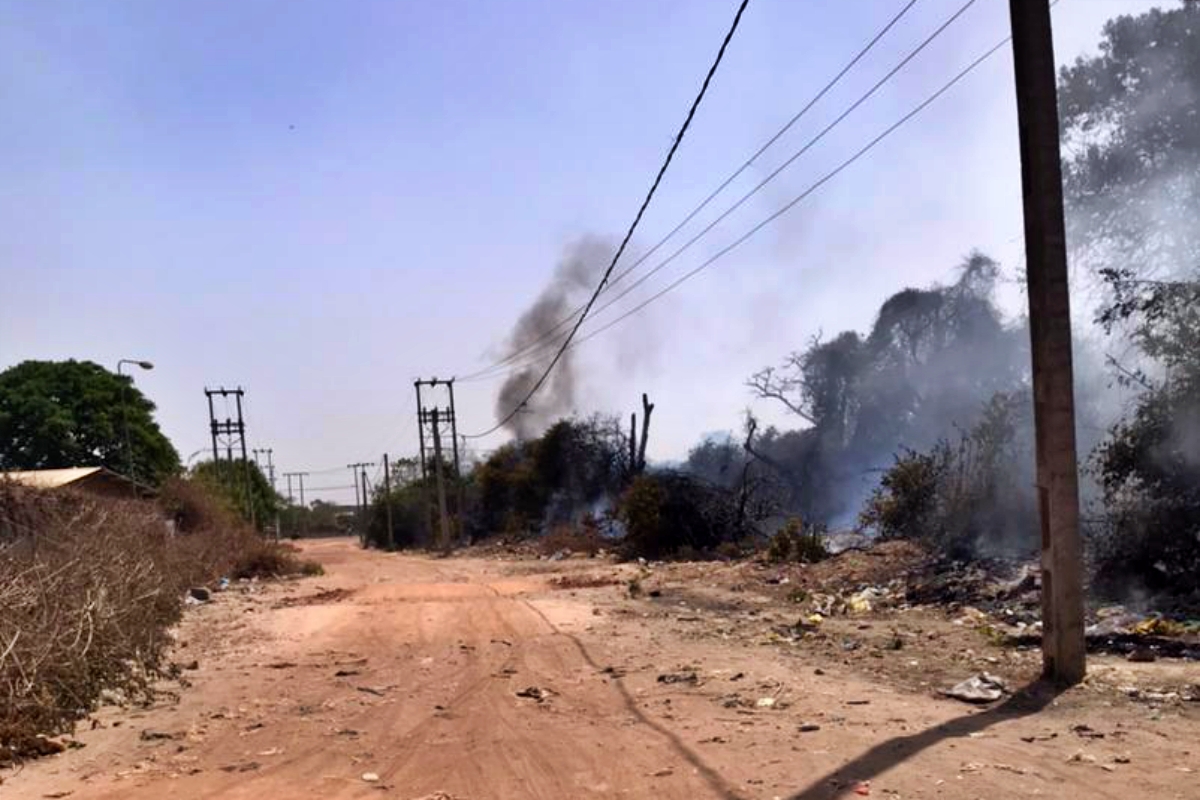
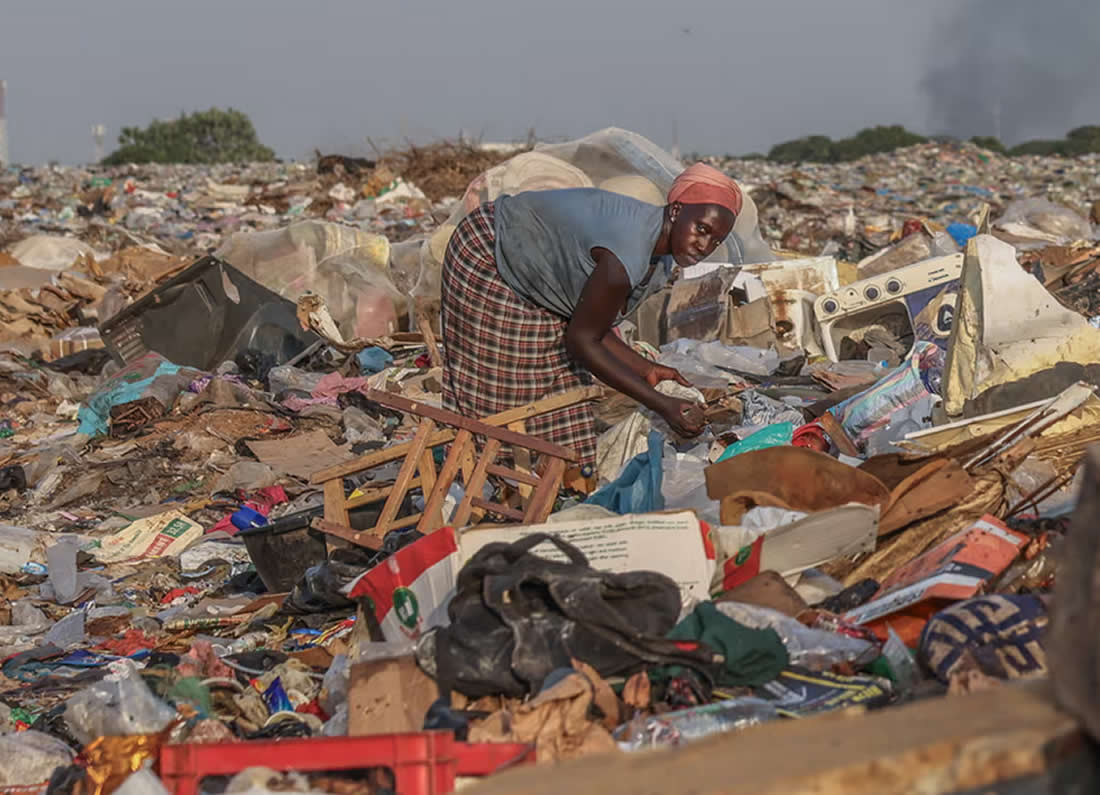
The organization cited data indicating that The Gambia generated an estimated 22,800 tonnes of plastic waste in 2021, with about 27 percent leaking into rivers, wetlands, and other aquatic environments. Without intervention, a further 95,000 tonnes of plastic could enter the country’s waterways and marine environment by 2033.
The statement further noted that approximately 702,000 kilograms of municipal solid waste is produced daily across the country, of which plastic accounts for about nine percent. Much of this waste is inadequately managed, contributing to environmental degradation.
The Center warned that plastic pollution poses a serious threat to The Gambia’s fisheries sector, which contributes around 12 percent of the country’s Gross Domestic Product and provides employment for more than 300,000 people. Key fish species such as bonga shad and sardinella are particularly vulnerable to pollution in coastal and estuarine waters where they feed and reproduce.
The accumulation of plastic waste in mangrove ecosystems was also highlighted as a concern, given the role these habitats play as fish nurseries and natural barriers against coastal erosion.
Despite the challenges, the Center praised The Gambia’s efforts to address plastic pollution, pointing to the government’s partnership with environmental organization Common Seas in developing a National Action Plan aimed at reducing plastic pollution by 86 percent over the next decade.
“The Gambia is one of West Africa’s smallest countries and one of its most politically committed on the question of plastic pollution,” said Saad Kassis-Mohamed, chairman of the Saad Kassis-Mohamed Center.
“A national action plan approved by cabinet, a decade-old plastic bag ban, and a fisheries sector that employs 300,000 people and depends on clean water—the groundwork is there. What is needed now is the international support to match it.”
Marcine Graham, Executive Director of the Center, said The Gambia had demonstrated leadership in confronting plastic pollution and deserved greater backing from the international community.
“The Gambia has done what many larger countries have not: it has a plan, approved at the highest level, to end plastic pollution,” Graham said. “Our commitment to the Gambia River is about standing alongside that plan with direct action and calling on others to do the same.”
The Center also called on development partners, financial institutions, and private-sector actors to support implementation of The Gambia’s National Action Plan, arguing that the country’s fisheries, mangrove ecosystems, and coastal communities cannot bear the burden of plastic pollution alone.
The 100,000-liter commitment forms part of the Center’s wider pledge to remove one million liters of ocean-bound plastic and waterborne debris from environmentally vulnerable locations worldwide.
The Saad Kassis-Mohamed Center is an initiative of the WeCare Foundation based in Cape Town, South Africa, and operates across Africa, South Asia, the Gulf region, and other parts of the world.






Leave a Reply