



Gambiaj.com – (BANJUL, The Gambia) – The Gambia Environmental Alliance has strongly condemned the Gambian government’s decision to abstain from a landmark United Nations General Assembly vote on climate change and human rights, describing the move as a major failure of leadership at a critical moment for climate-vulnerable nations.
In a statement issued on May 20, the country’s leading environmental advocacy body expressed what it called “profound outrage and deep concern” over The Gambia’s decision not to support a resolution endorsing the advisory opinion of the International Court of Justice on states’ obligations regarding climate change.
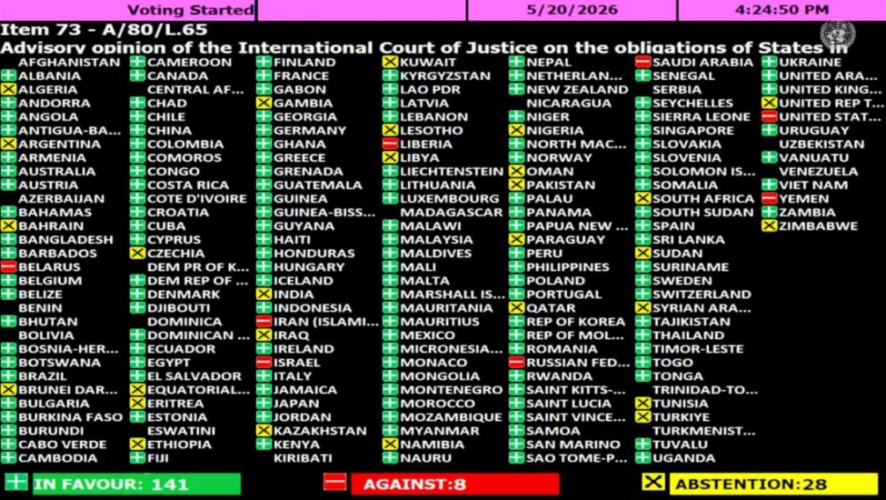
The resolution, which was backed by 141 countries, reaffirmed that states have legally binding responsibilities to prevent environmental harm, take urgent action on climate change, and safeguard the rights of current and future generations. Only eight countries voted against the measure, while 28 nations, including The Gambia, abstained.
According to GEA, the abstention cannot be viewed as a neutral diplomatic position for a country considered among the most vulnerable to the effects of climate change.
“As Secretary General of the Gambia Environmental Alliance, I say plainly: this abstention is not a diplomatic nuance,” the statement said. “It is an abandonment of the very people this government is sworn to protect.”
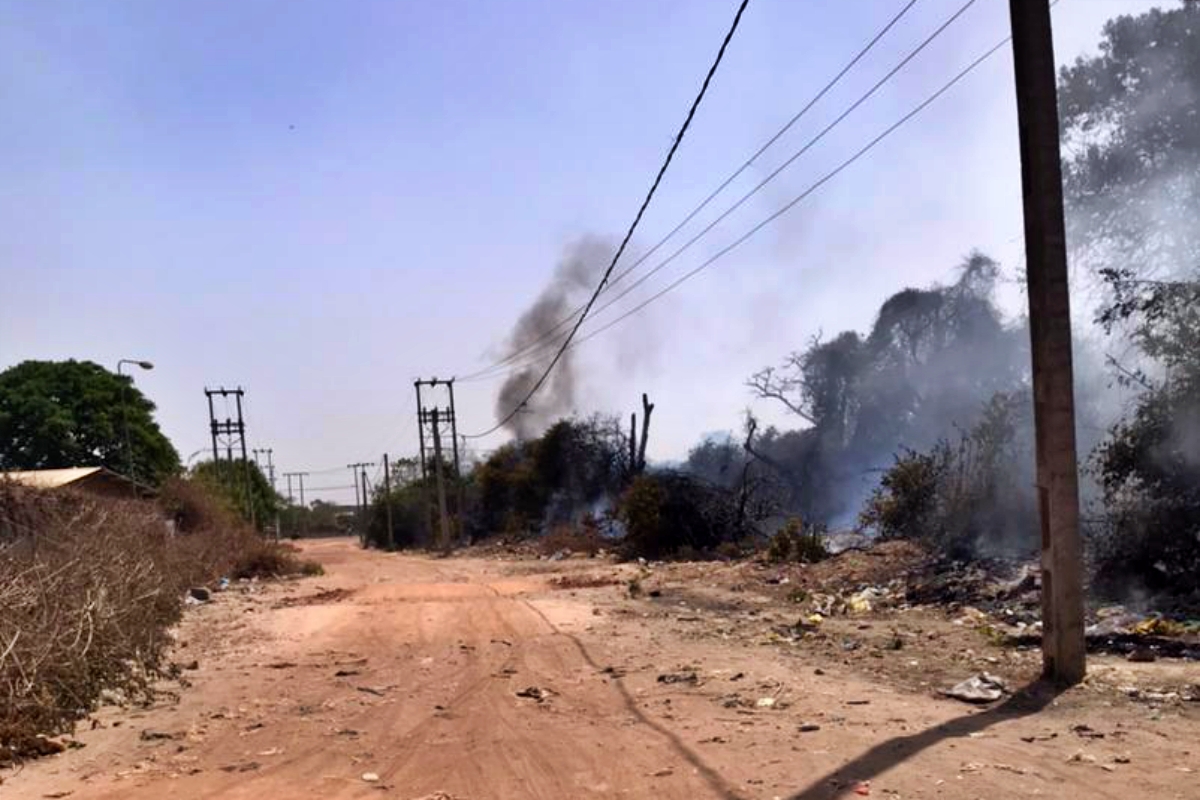
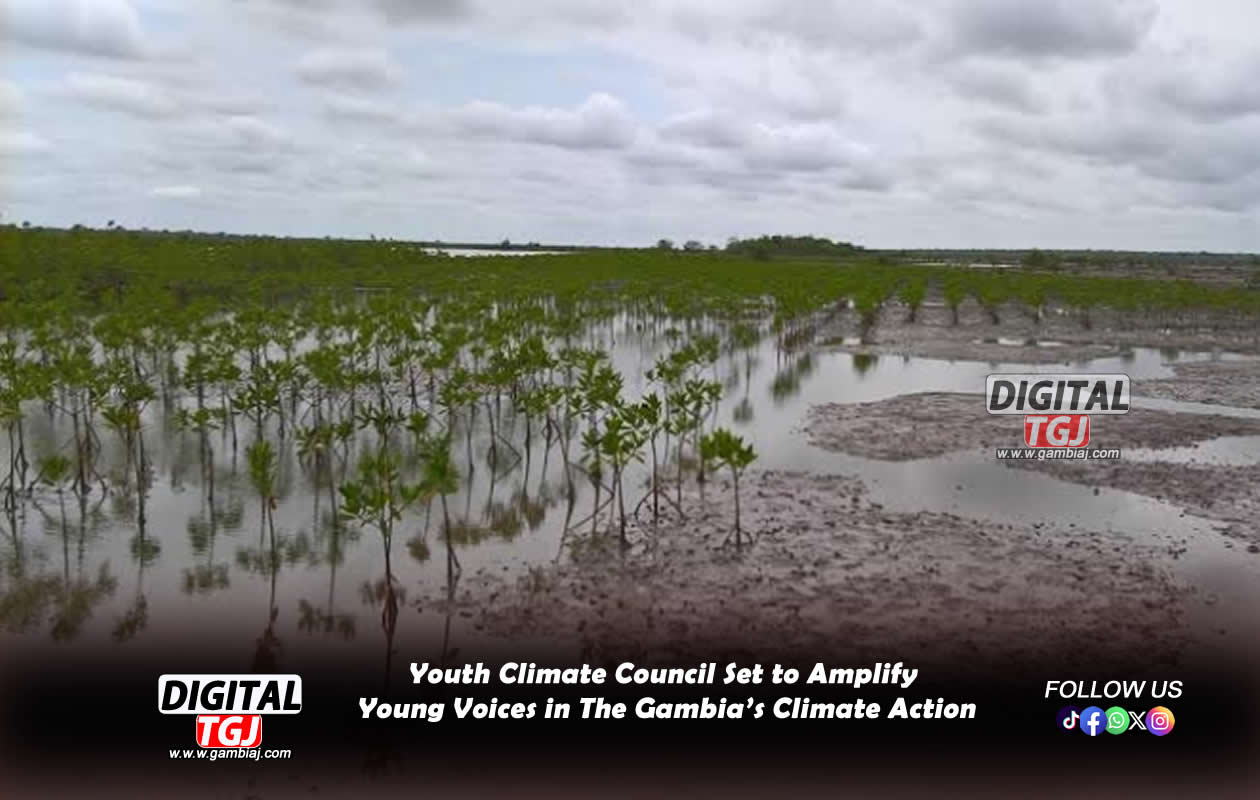
The organization pointed to mounting climate-related challenges facing the country, including coastal erosion, saltwater intrusion into freshwater sources, declining agricultural productivity, and the displacement of communities in coastal settlements such as Gunjur, Kartong, and Barra.
GEA argued that the ICJ advisory opinion could provide an important legal framework for strengthening international accountability and protecting frontline countries already suffering the consequences of global warming.
By abstaining, the alliance said, The Gambia weakened its own standing and denied its citizens the benefits of emerging international legal protections.
The environmental group also rejected claims that the abstention reflected a wider African position on the issue. It noted that several African countries, including Kenya, Sierra Leone, and Burkina Faso, played active roles in supporting and drafting the resolution, while others formally co-sponsored it.
“The Gambia’s silence cannot be excused by hiding behind false regional patterns,” the statement said. “It stands in stark contrast to the courage shown by many of our African neighbors.”
Beyond its diplomatic implications, GEA framed the issue as one with direct human consequences, particularly for vulnerable communities already facing the impacts of climate change.
The alliance said young people, rural farmers, and coastal residents were effectively left without representation at a critical international forum.
“Silence at this level is not neutrality; it is a quiet form of violence against those already suffering,” the statement added.
GEA has meanwhile called for full transparency from the government regarding the abstention. Among its demands are the disclosure of who authorized the decision, the rationale behind it, whether national stakeholders were consulted, and what instructions were given to The Gambia’s Permanent Representative to the United Nations.
The organization also urged the government to publicly clarify its position on the ICJ advisory opinion and commit to defending the rights of Gambians in future international climate negotiations.
Calling the issue one of national importance, GEA appealed to civil society organizations, the media, traditional authorities, and faith-based groups to demand accountability from the government.
“Climate justice is not a foreign policy footnote,” the statement concluded. “It is a matter of life and livelihood for millions of Gambians alive today and for generations yet unborn.”






Leave a Reply