



Gambiaj.com – BANJUL, The Gambia – Not long ago, I wrote an article titled Beyond the Current Blackouts: What Four Decades of Energy Reform Teach Us. It was written against the backdrop of recurring power challenges, but its message went beyond the immediate difficulties.
The central argument was that The Gambia’s energy challenge has never been only about producing more electricity or importing more fuel. It has always been about building an energy system that is reliable, resilient, and capable of supporting national development over the long term.
That reflection remains relevant today because every major energy initiative should be assessed not only by what it adds but also by how it strengthens the wider energy system.
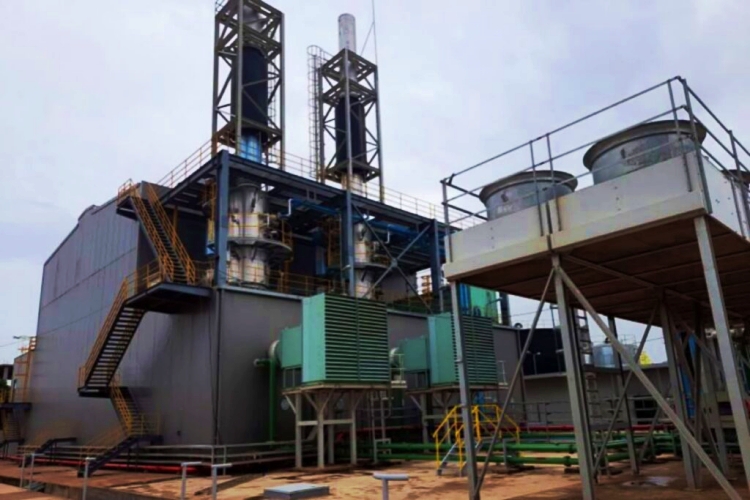
Against this backdrop, the announcement during the 2026 African Caucus Meetings that the Dangote Group has pledged to invest US$2 billion in The Gambia deserves careful attention. The proposed investment includes a 250-megawatt solar power plant and a modern fuel tank farm. If implemented as envisaged, these projects could mark an important turning point in the country’s energy landscape.
The proposed solar project speaks directly to the future. Expanding renewable energy generation could increase electricity availability, reduce dependence on imported fuel for power generation, and support a more diversified and sustainable energy mix.
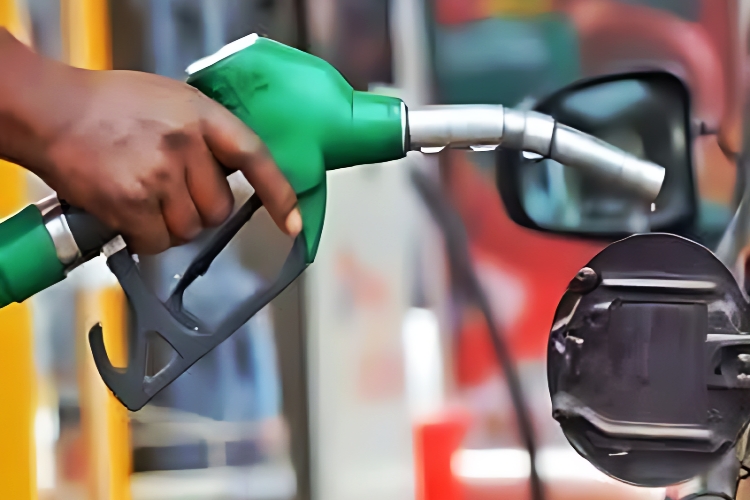
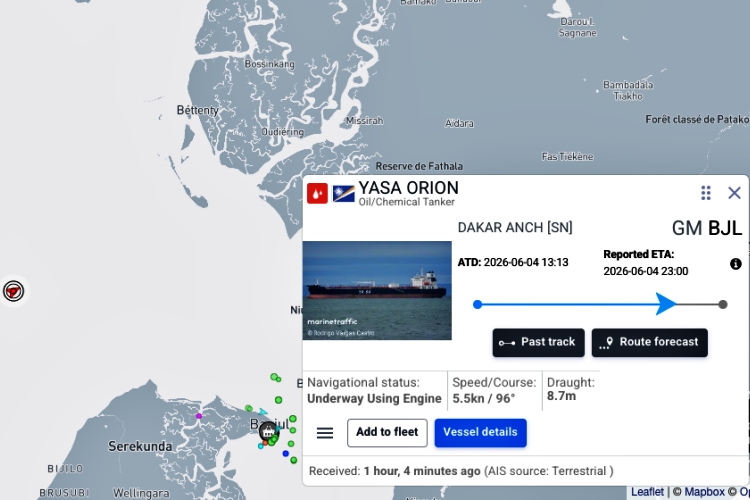
The proposed fuel tank farm is equally significant. Energy security is not only about generating electricity; it is also about ensuring that fuel supplies remain available when international markets face disruptions. Adequate storage capacity enables a country to maintain strategic reserves, reduce exposure to external shocks, and improve the reliability of fuel supplies for transport, industry, agriculture, and electricity generation.
Its importance becomes even clearer when viewed alongside the emergence of the Dangote Refinery in Nigeria. The refinery is one of Africa’s most significant investments in refining capacity and has the potential to reshape regional fuel markets.
While future supply arrangements will depend on commercial agreements, pricing structures, and logistics, the presence of a major regional refining facility closer to The Gambia creates new opportunities to strengthen supply chains and improve resilience against global disruptions.
However, it is important to recognize that increased refining capacity does not automatically translate into lower fuel prices. The recent debate involving the Dangote Group and the World Bank highlights two important dimensions of the energy challenge.
The World Bank has emphasized that fuel prices are influenced by global crude oil prices, exchange rates, and the actual cost of supply. The Dangote Group, on the other hand, argues that expanding Africa’s refining capacity can reduce dependence on imported refined products, lower transportation costs, and improve efficiency across regional markets.
Both perspectives point to a broader reality: effective energy policy must balance affordability, availability, and security of supply.
For The Gambia, that distinction is critical. No country can build a competitive economy if businesses, hospitals, farmers, and households remain vulnerable to unreliable energy supplies.
The true measure of progress is not simply the number of megawatts generated, storage facilities constructed, or investment dollars announced. It is whether businesses can operate with confidence, essential services function without interruption, young people gain greater economic opportunities, and households can rely on electricity as a normal part of everyday life.
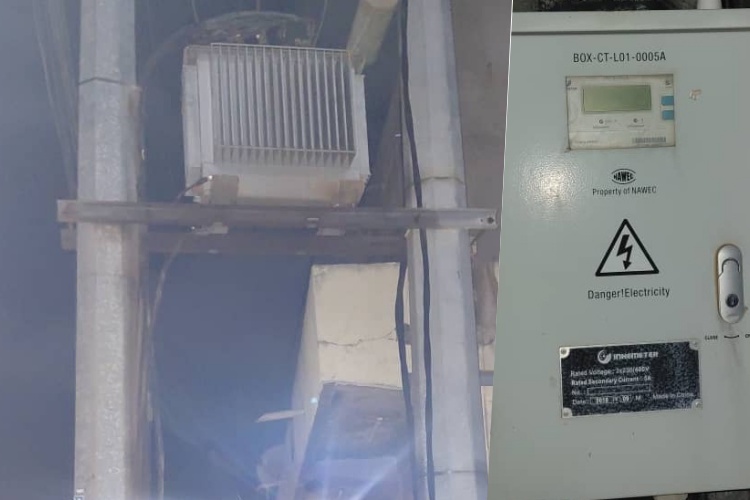
At the same time, experience teaches that infrastructure alone does not transform an energy sector. New generation capacity must be supported by stronger transmission and distribution networks. Investments must also be matched by sound management, financial sustainability, effective regulation, and a culture of preventive maintenance.
The proposed Dangote investment therefore presents both an opportunity and a responsibility. The opportunity is to strengthen electricity generation, enhance fuel supply resilience, and support broader economic growth. The responsibility is to ensure that these investments are integrated into a coherent national energy strategy capable of delivering lasting benefits for Gambians.
This is a moment for measured optimism. Major investments can create new possibilities, but their true value is realized only when they translate into better public services, stronger institutions, and improved livelihoods.
The central message of my earlier reflection remains unchanged: lasting energy security is built through consistent policy choices, strategic investments, and effective institutions. The Dangote announcement does not replace that principle; it reinforces it.
If successfully implemented, this investment could become a defining milestone in The Gambia’s energy journey. Yet its ultimate success will depend not only on the scale of the investment but also on how effectively the country plans, manages, and integrates it into a broader vision for sustainable development.
Seen in that light, this announcement is more than a financial commitment. It is an opportunity to strengthen the foundations of a more secure, reliable, and sustainable energy future, one in which the benefits of progress are felt by every Gambian.












Leave a Reply