


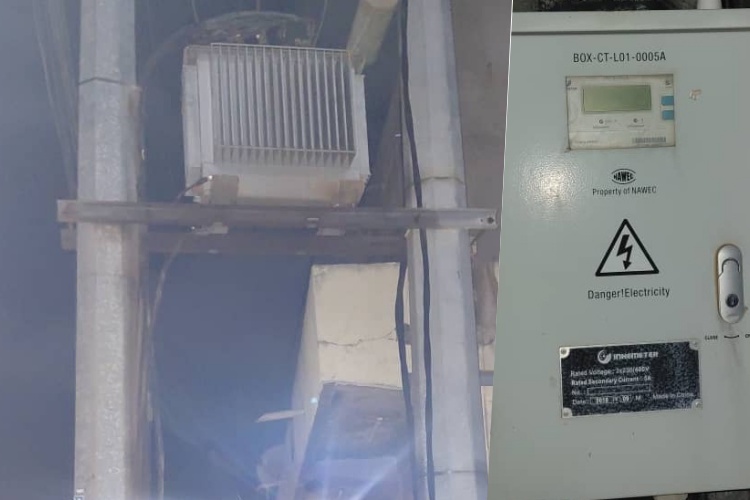
Gambiaj.com – (BANJUL, The Gambia) – For thousands of Gambians in the Greater Banjul Area and the West Coast Region, the nights have grown long and hot, not by nature, but by failure. Communities such as Gunjur, parts of Brikama, Dembaya, Dasilameh, and Jamisa have been plunged into prolonged darkness, with some residents enduring up to 20 consecutive hours without electricity every day.
Yet as families sweltered through one of the most spiritually significant periods on the Islamic calendar, the days leading into Tobaski, the National Water and Electricity Company (NAWEC) and the government issued a cascade of press releases that explained much, promised more, and satisfied very few.
The crisis, as it has unfolded publicly through a series of communications spanning late May into June 2026, is not merely a story about broken generators or fuel shortages.
It is a story about broken promises, delayed infrastructure, and a government increasingly at war with its own citizens over the right to be angry.
A System Under Strain
NAWEC’s first public acknowledgement came on May 23rd, when the utility admitted to “significant faults affecting sections of the electricity distribution system,” pledging that teams were working “around the clock” to restore supply.
A follow-up on May 26th offered some geographic clarity: the outages were described as affecting mainly parts of the Greater Banjul Area and West Coast Region, particularly during peak hours from around 6:00 PM, with provincial areas said to be “largely unaffected.”
By May 30th, however, the picture had darkened considerably. NAWEC revealed that electricity imports had been cut by as much as 60 megawatts due to a combination of technical failures and fuel shortages within the regional power network.
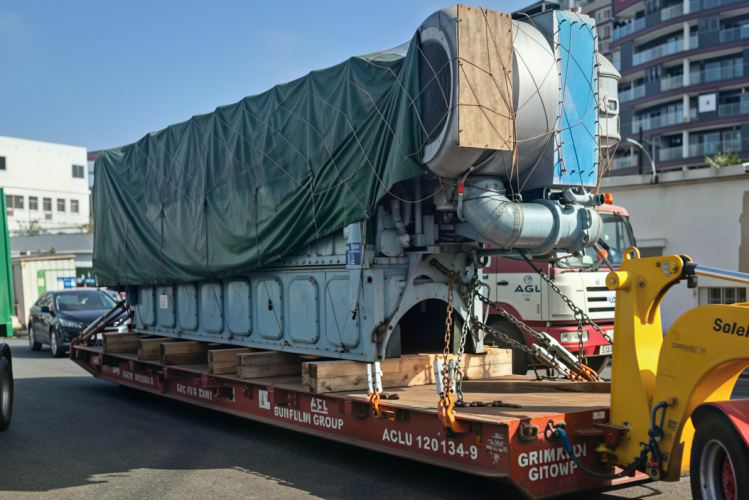
Domestic backup generation, meanwhile, was unavailable due to ongoing maintenance. The combined effect, NAWEC acknowledged, was “a significant shortfall exceeding 50% of electricity demand,” a staggering admission that meant the country was operating on barely half of what it needed to keep homes, hospitals, and businesses functioning.
To manage the crisis, NAWEC implemented emergency load management, prioritizing supply to hospitals and water production facilities. A return to normalcy was projected “by mid-June 2026,” contingent, critically, on the “timely restoration of regional imports and completion of ongoing maintenance works.” Both remain uncertain.
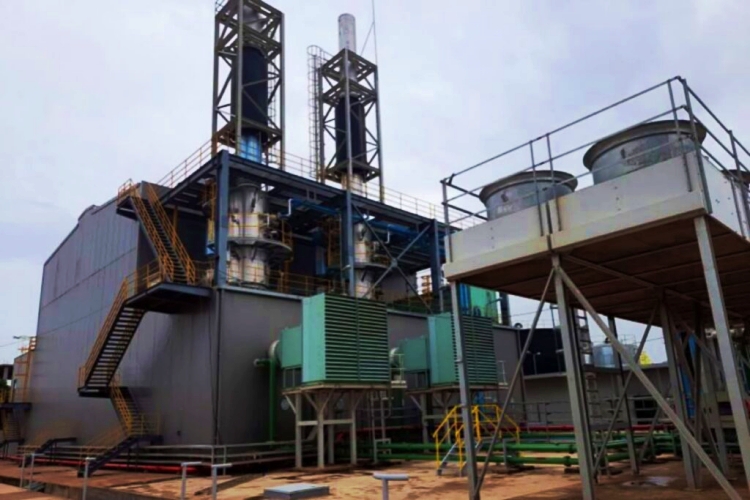
Then, on May 31st, came a detail that added a new layer of gravity: the Kotu Power Station, one of NAWEC’s key domestic generation assets, had not produced a single megawatt throughout the entire period of the crisis.
No explanation was offered for why Kotu remained silent while communities burned through candles and generators.
The Ghost of a Road Map Never Fulfilled
To understand how The Gambia arrived at this moment, one must travel back nearly a decade, to an energy road map drawn up between 2018 and 2021 in partnership with the World Bank. The plan was bold in its ambition: to inject approximately 100 megawatts into the national grid through a portfolio of complementary projects.
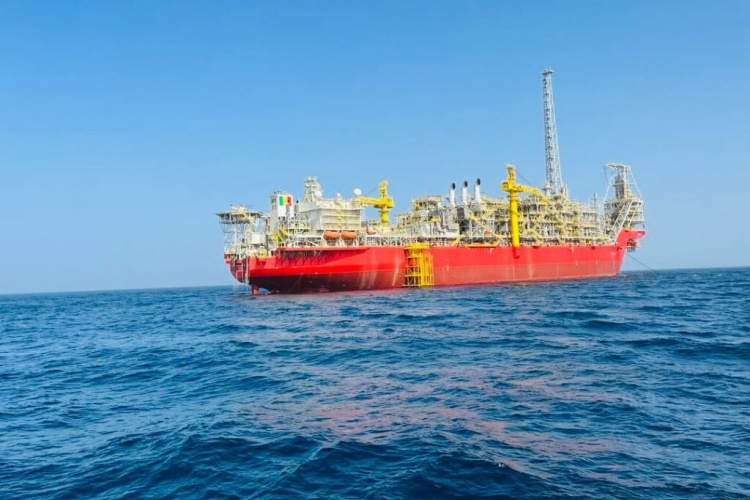
These included the Gambia Electricity Restoration and Modernization Project (GERMP), rural electrification initiatives co-financed by the World Bank and the European Investment Bank (EIB) to the tune of $66 million, a 30-megawatt solar plant intended to replace the controversial Karpower floating power station after two years, a 20-megawatt project through the Islamic Development Bank (IDB), and connectivity through the OMVG regional interconnection network.
Had this road map been executed on schedule, The Gambia would have reached 2026 with a fundamentally different energy landscape, one focused on expanding capacity rather than managing collapse. Instead, implementation failures unravelled the timeline.
The EIB and World Bank-funded project, signed in 2018, was only being delivered in 2026, an eight-year journey for infrastructure that should have taken three.
The solar power project was delayed by three years. Most consequentially, the Karpower floating plant, designed as a temporary two-year measure, was extended well beyond its intended mandate, a prolongation that placed enormous financial pressure on NAWEC and crowded out the space for more sustainable solutions.
The conclusion is difficult to escape: the crisis of 2026 is, in no small part, the harvest of seeds sown years ago through institutional delays, procurement failures, and an inability to hold project timelines accountable.
The Government Responds…, and Then Attacks
Faced with public frustration and mounting criticism, the government initially responded with a measured, if defensive, press release. It clarified that the outages did not affect the entire country, attributed the crisis to “technical difficulties within the regional power supply network” also affecting neighboring countries, and rebutted claims that unpaid debts were to blame.
It pointed to progress, notably, contracting processes in their “final stages” for a major 50-megawatt solar energy project in Soma, and assured the public that NAWEC was working to achieve “nearly 50 megawatts of internal generation capacity in the near term.”
What the government did not offer in that release was a concrete, accountable plan: no milestones, no named officials responsible, no penalties for further delays, no independent oversight mechanism. Citizens were essentially asked to trust that things were being handled.
Then, on a Sunday night, the government’s tone shifted sharply, and revealingly.
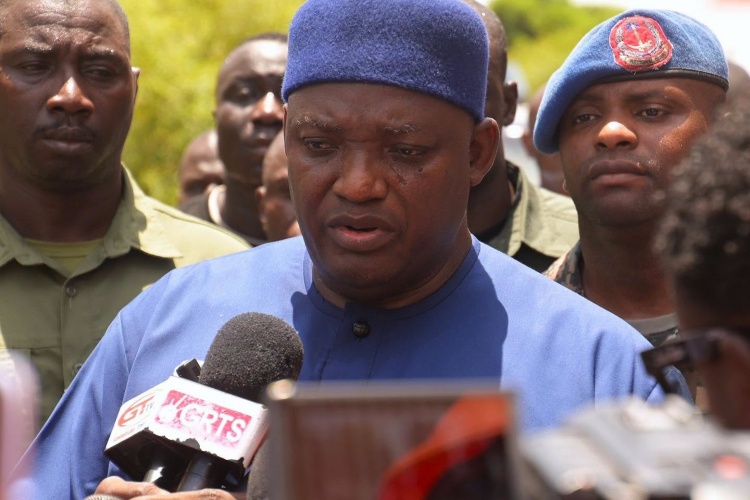
A second statement abandoned the language of reassurance and turned to accusation. It characterised critics, opposition voices, activists, and media platforms as participants in “misinformation campaigns,” “deliberate distortions,” and “politically motivated narratives.” It warned against the “deliberate politicisation of temporary national challenges” and urged “restraint, patriotism, and responsibility.”
Most strikingly, the statement invoked what it called nearly a year of “one of the most stable and reliable electricity supply periods in recent national history,” a claim likely to provoke hollow laughter from residents who have spent weeks watching their food spoil in powerless refrigerators.
The tone was not that of a government seeking to rebuild public trust. It was the tone of a government that felt besieged and responded by going on offence.
What This Moment Reveals
The power crisis of mid-2026 is, at its core, a crisis of accountability, not just of electricity. It exposes the human cost of infrastructure projects that slip years behind schedule without consequence.
It raises serious questions about why the Kotu Power Station, a critical backup facility, was non-functional at precisely the moment it was most needed.
It invites scrutiny of whether the OMVG regional interconnection project, long promoted as a game-changer for West African energy security, has delivered the resilience it promised, or whether it has, paradoxically, created a new vulnerability by increasing dependence on regional supply chains that can fracture under stress.
It also raises a broader governance question: at what point does a government’s obligation to communicate difficult truths outweigh its instinct for self-protection?
Calling citizens who are experiencing real hardship “misinformed,” and framing their anger as a political conspiracy, does not restore electricity. It does not repair generators. It does not accelerate solar panel installation. What it does is deepen the fracture between the governed and those who govern.
NAWEC has promised normalcy by mid-June. The government has promised a 50-megawatt solar plant is coming.
These are promises that deserve to be welcomed, tracked, and held to account. The Gambian public, which has shown extraordinary patience through years of energy insecurity, deserves nothing less than that.







Leave a Reply