


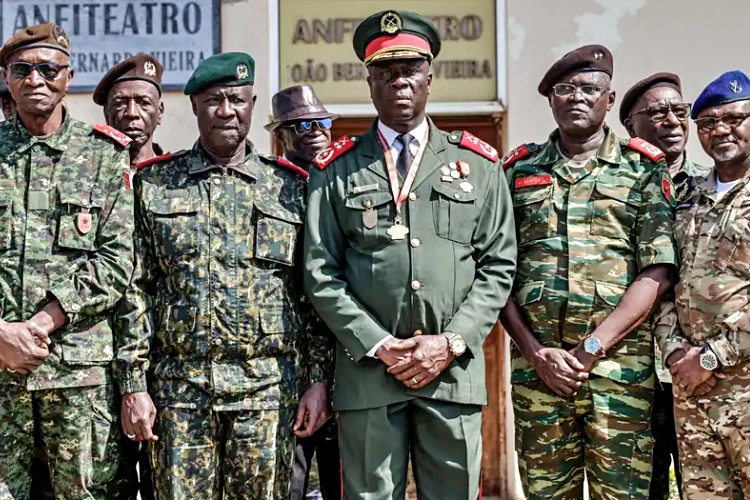
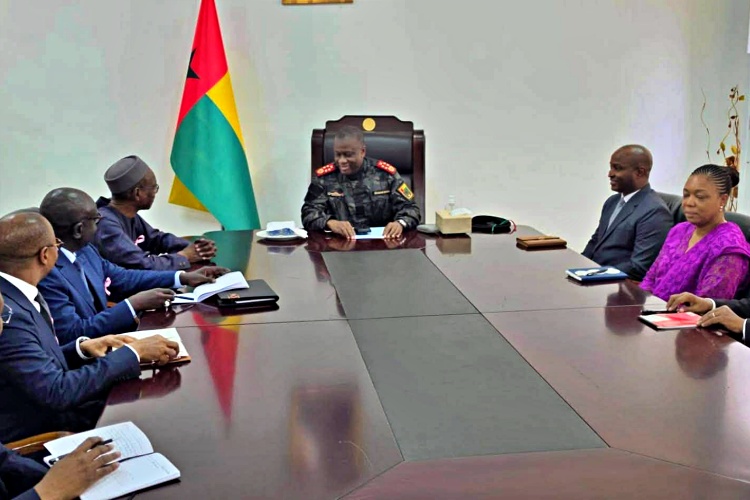
Gambiaj.com – (BISSAU, GUINEA-BISSAU) – Guinea-Bissau’s military authorities have announced a partial easing of restrictions on political activities, allowing legally constituted political parties to resume internal meetings and congresses from November 24, while maintaining a ban on public rallies, demonstrations, and marches.
The High Military Command announced the decision on Friday, November 6, describing it as a partial lifting of measures imposed under the country’s Political Transition Charter and other applicable legal instruments.
Under the new arrangements, political parties will be permitted to organize internal meetings, coordination sessions, assemblies, and party congresses. However, they must notify the competent authorities in advance, hold the activities at designated venues, and comply with security conditions set by the military authorities.
The decision offers political parties some room to resume organizational activities after restrictions imposed by the military but falls short of restoring their freedom to engage in public political mobilization.
Public Political Activities Remain Banned
The military has maintained its prohibition on marches, demonstrations, parades, rallies, and other public initiatives it considers capable of threatening national security, public order, or social stability.
It also warned that violations of the restrictions could trigger intervention by the competent authorities, while urging political leaders and their supporters to respect the rules governing authorized activities.
The High Command appealed to political actors and the population to avoid actions that could fuel violence, tribalism, confrontation, or instability.
Limited Political Opening Under Military Oversight
The partial lifting of restrictions represents a limited opening for political parties, allowing them to hold internal consultations, organize their structures, and convene congresses. However, the requirement to notify authorities in advance, use designated venues, and comply with military-imposed security conditions means that these activities will remain under close official oversight.
More importantly, the continued prohibition of public gatherings leaves political parties unable to freely take their political messages to the streets or mobilize supporters through conventional rallies and demonstrations.
The distinction is significant in a country where public political mobilization is an important part of political competition. While parties may now regain some internal organizational space, their ability to challenge the authorities publicly, build popular momentum, and engage directly with voters remains severely constrained.
The announcement therefore signals a controlled relaxation rather than a broader restoration of political freedoms, with the military retaining decisive authority over the boundaries of political activity during the transition.

Leave a Reply